


 Norway Opens Corruption Probe Into Former PM and Nobel Committee Chair Thorbjoern Jagland Over Epstein Links
  Trump Signs “America First Arms Transfer Strategy” to Prioritize U.S. Weapons Sales
  Ohio Man Indicted for Alleged Threat Against Vice President JD Vance, Faces Additional Federal Charges
  Trump Allegedly Sought Airport, Penn Station Renaming in Exchange for Hudson River Tunnel Funding
  Trump Allows Commercial Fishing in Protected New England Waters
  TrumpRx Website Launches to Offer Discounted Prescription Drugs for Cash-Paying Americans
  China Warns US Arms Sales to Taiwan Could Disrupt Trump’s Planned Visit
  Japan Election 2026: Sanae Takaichi Poised for Landslide Win Despite Record Snowfall
  TrumpRx.gov Highlights GLP-1 Drug Discounts but Offers Limited Savings for Most Americans
  U.S. Lawmakers to Review Unredacted Jeffrey Epstein DOJ Files Starting Monday
  New York Legalizes Medical Aid in Dying for Terminally Ill Patients
  Trump Says “Very Good Talks” Underway on Russia-Ukraine War as Peace Efforts Continue
  Iran–U.S. Nuclear Talks in Oman Face Major Hurdles Amid Rising Regional Tensions
  Trump Endorses Japan’s Sanae Takaichi Ahead of Crucial Election Amid Market and China Tensions
  Netanyahu to Meet Trump in Washington as Iran Nuclear Talks Intensify
  India–U.S. Interim Trade Pact Cuts Auto Tariffs but Leaves Tesla Out


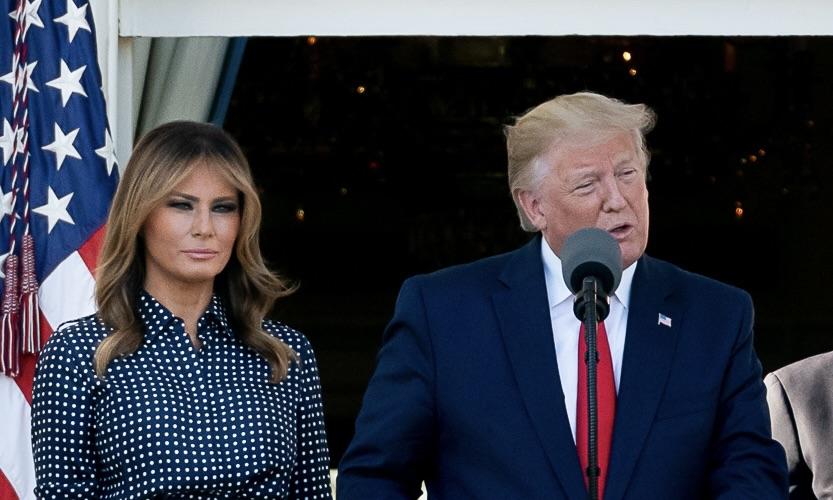
Mexico has signaled its intent to impose retaliatory tariffs on American goods in response to President Donald Trump’s recent announcement of sweeping tariffs on Mexican imports. The move threatens to escalate tensions between the two neighboring nations and could impact a wide range of industries, including agriculture and manufacturing, as Mexico considers measures to protect its economy and trade interests.
President Trump’s decision to implement tariffs on Mexican goods was part of his broader strategy to address immigration and trade imbalances. However, Mexico’s government has made it clear that it will not stand idly by. Mexican officials hinted at targeting key U.S. exports, including agricultural products such as corn, pork, and dairy, which could significantly affect American farmers and the broader economy.
The proposed tariffs by Mexico come amid ongoing trade disputes, raising concerns about the long-term consequences for both nations. Experts warn that a tit-for-tat tariff strategy could disrupt supply chains and hurt consumers on both sides of the border.
Impact on U.S.-Mexico Trade Relations
Trade between the United States and Mexico is substantial, with Mexico being the second-largest trading partner for the U.S. in 2023. Any disruption to this relationship could have severe repercussions for industries that rely heavily on cross-border trade.
Agricultural exports are particularly vulnerable, with Mexico being one of the largest buyers of U.S. corn and pork. If tariffs are imposed, American farmers could face higher costs and reduced market access, leading to financial strain in rural areas already struggling with economic challenges.
The automotive sector, which depends on components manufactured in both countries, is also at risk. Increased tariffs could lead to higher prices for vehicles and parts, further exacerbating inflationary pressures in the U.S. economy.
Meanwhile, Mexican officials argue that retaliatory tariffs are necessary to safeguard their domestic economy and send a strong message against what they perceive as unfair trade practices. The potential fallout has sparked debates among policymakers and business leaders about the need for a more collaborative approach to resolving trade disputes.
Public Reaction and Social Media Buzz
News of Mexico’s potential retaliation has ignited discussions on social media, with netizens expressing mixed opinions:
- @TradeWatcher2025: “Mexico has every right to stand up to Trump’s bullying tactics. This was bound to happen!”
- @FarmersFirstUSA: “These tariffs will destroy American agriculture. We need better solutions, not economic warfare!”
- @EconAnalyst23: “Tit-for-tat tariffs only hurt consumers. Both sides need to come to the table and negotiate.”
- @GlobalTradeGuru: “Trump’s policies are reckless. Retaliation from Mexico will just push the U.S. economy closer to recession.”
- @PatriotFarmer88: “It’s time to put America first! We can’t let Mexico dictate our policies.”
- @BorderEconomyPro: “Cross-border trade is too important to jeopardize. Tariffs will hurt both nations more than they help.”
A Call for Diplomatic Resolution
As tensions escalate, economists and trade experts are urging both nations to prioritize diplomacy over retaliatory measures. Collaborative efforts to address trade imbalances and immigration issues could prevent further damage to the economic partnership that underpins millions of jobs and livelihoods on both sides of the border.
While Mexico’s potential tariffs have yet to be finalized, the prospect of an escalating trade war highlights the complexities and risks of unilateral trade actions. Both nations face the challenge of navigating these disputes without undermining their economic stability or bilateral relationship.













