


 Saudi Arabia Probes Flydubai Cockpit Attack
  Zcash Prepares for NU7 Upgrade as Zebra Gets Key Security Fixes
  Rapidus Seeks Chip Customers as Japan Pushes 2nm Semiconductor Revival
  TSMC Q3 Revenue Beats Estimates as AI Chip Demand Surges
  Amazon Cuts More Jobs as AI Investment Expands
  Trump Opens Tax-Exempt Dyed Diesel Access as Fuel Prices Surge
  Illinois Delays Crypto Tax Law Until July 2027
  SpaceX Seeks $40 Billion for Nvidia AI Chips
  Marvell Stock Surges on $90 Billion AI Revenue Outlook
  CFTC Moves to Set New Crypto Rules After CLARITY Act Failure
  Circle Urges EU to Revise MiCA Stablecoin Rules
  France to Release 10 Million Barrels of Diesel to Ease Fuel Prices
  Florida Seeks Tougher Meta Rules to Protect Young Users
  Nvidia-Backed Reflection AI Launches Beam Open-Weight Model
  Crypto Rallies as CLARITY Act Failure Opens Door to Faster SEC Rules


 Add as a preferred source on Google
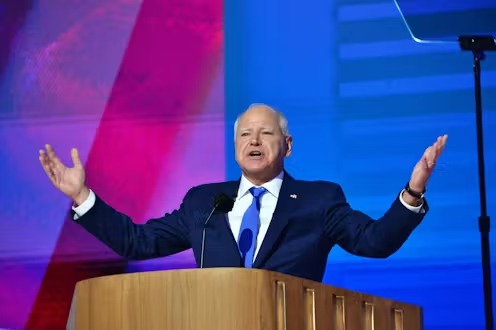
Minnesota Governor Tim Walz said Tuesday that the federal immigration crackdown ordered by President Donald Trump’s administration in Minnesota could end within days, following direct conversations with senior White House officials. Walz’s comments come amid mounting criticism, protests, and national attention surrounding the enforcement actions carried out by federal immigration authorities in the state.
According to Walz, Minnesota officials have formally requested that the surge of federal immigration agents be scaled back. He confirmed that he spoke Monday with Tom Homan, the Trump administration’s border czar, and again Tuesday with White House Chief of Staff Susie Wiles. Walz said those discussions suggested the deployment may be nearing its conclusion.
The Trump administration sent approximately 3,000 federal immigration agents to Minnesota by the end of January as part of a broader immigration enforcement initiative. Homan stated last week that roughly 700 agents would be withdrawn, signaling a potential reduction. Walz said he expects an official announcement soon and emphasized that the state is operating in a “trust but verify” posture.
The immigration crackdown has drawn sharp criticism from local officials and human rights organizations, who argue that the actions violate due process and legal protections. Tensions escalated further after federal immigration officers last month fatally shot U.S. citizens Renee Good and Alex Pretti in Minneapolis. Video footage of the shootings circulated widely online, sparking large-scale protests in Minnesota and outrage across the country.
Walz expressed hope that Homan would publicly confirm the end of the operation before the end of the week, adding that the state anticipates the withdrawal to occur over days rather than weeks or months. The Department of Homeland Security referred media inquiries to the White House, which has not issued a public response.
President Trump has defended the immigration enforcement measures as necessary to combat fraud and enhance domestic security. However, rights groups argue that the crackdown has fostered fear within immigrant and minority communities, particularly Minnesota’s Somali population. Advocacy organizations also accuse the administration of using isolated fraud cases to justify broader immigration actions while overlooking past presidential pardons related to fraud convictions.
As Minnesota awaits further clarification from federal officials, state leaders and community advocates continue to call for de-escalation and accountability.







