


 JPMorgan Lifts Gold Price Forecast to $6,300 by End-2026 on Strong Central Bank and Investor Demand
  Japan Economy Poised for Q4 2025 Growth as Investment and Consumption Hold Firm
  South Korea’s Weak Won Struggles as Retail Investors Pour Money Into U.S. Stocks
  Dollar Steadies Ahead of ECB and BoE Decisions as Markets Turn Risk-Off
  Gold Prices Slide Below $5,000 as Strong Dollar and Central Bank Outlook Weigh on Metals
  Singapore Budget 2026 Set for Fiscal Prudence as Growth Remains Resilient
  Asian Stocks Slip as Tech Rout Deepens, Japan Steadies Ahead of Election
  Thailand Inflation Remains Negative for 10th Straight Month in January
  Silver Prices Plunge in Asian Trade as Dollar Strength Triggers Fresh Precious Metals Sell-Off
  Global Markets Slide as AI, Crypto, and Precious Metals Face Heightened Volatility
  Trump Lifts 25% Tariff on Indian Goods in Strategic U.S.–India Trade and Energy Deal
  Oil Prices Slide on US-Iran Talks, Dollar Strength and Profit-Taking Pressure


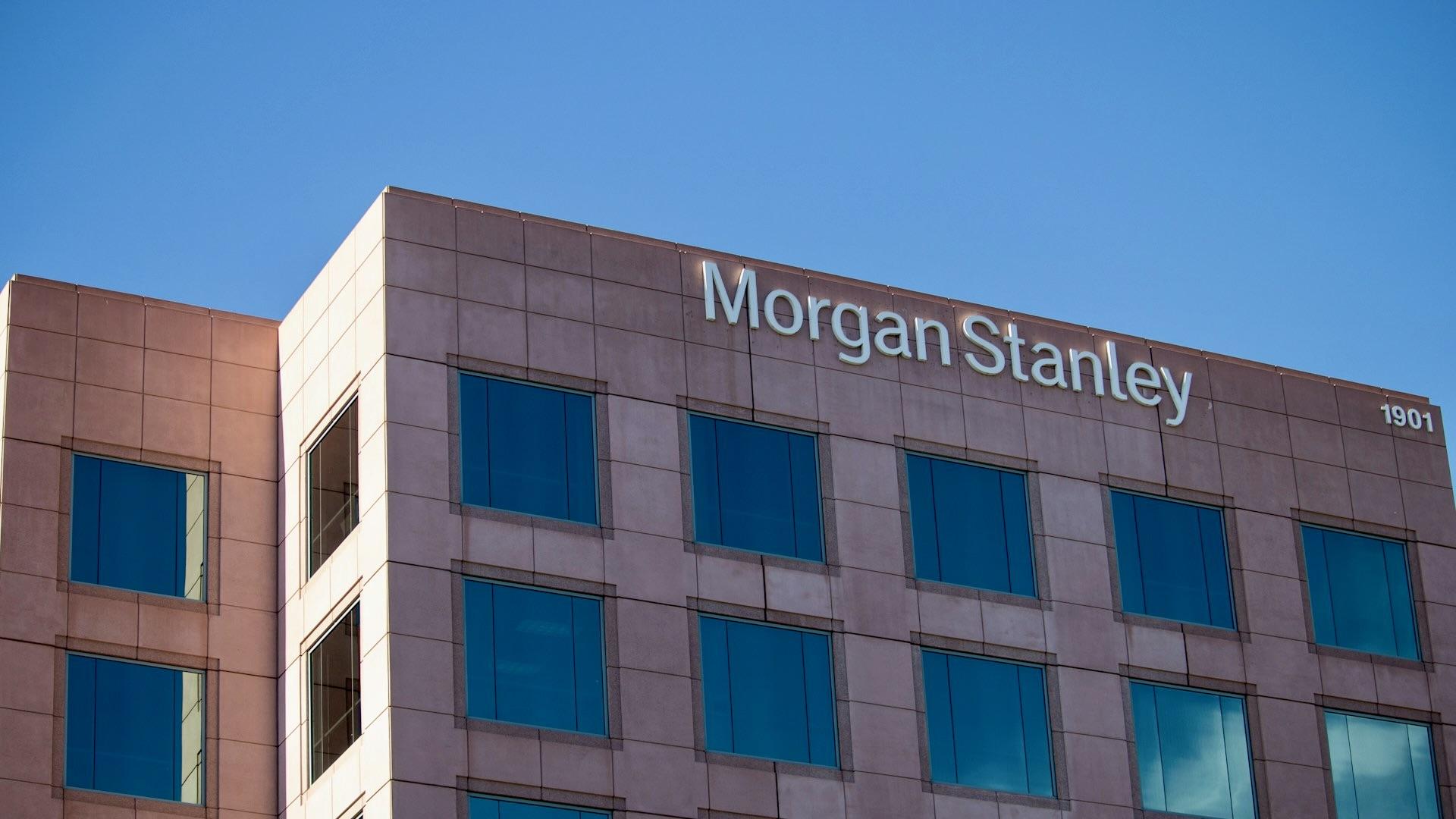
President Donald Trump’s ambitious “big beautiful bill” aims to jumpstart the U.S. economy, but Morgan Stanley warns its positive impact may be undercut by rising tariffs and tighter immigration policies. According to a recent note from the investment bank, the fiscal stimulus could offer a short-term growth boost, but not enough to counteract the drag from looming trade barriers and labor restrictions.
Morgan Stanley analysts estimate the bill will only add 0.2 percentage points to GDP growth in 2026, far below expectations. They describe the outlook as a “slow-growth, firm-inflation economy,” fueled by escalating tariffs and diminished labor supply.
Tariffs, especially the upcoming August 1 hike, pose a major threat. With 50% duties on copper and reciprocal tariffs set to resume against roughly 20 key partners—including South Korea and Japan—the effective U.S. tariff rate may rise to 17–18%. The temporary easing earlier this year had brought the average rate down to 13–14%, but that reprieve may soon end.
Economists caution that the inflationary impact of new tariffs may not appear until late 2025, just as earlier tariff effects begin to fade. This lag could prolong inflation well into 2026, reducing the effectiveness of fiscal stimulus and threatening job growth.
Additionally, the administration’s restrictive immigration stance is flagged as a long-term risk. A reduced labor pool may hamper productivity and innovation, further weakening economic momentum.
With financial markets already on edge, analysts warn that the combination of trade tensions and labor constraints could spark increased volatility. While the fiscal package may offer some support, Morgan Stanley emphasizes that private sector resilience will be key to weathering the storm ahead.













