


 Thailand Inflation Remains Negative for 10th Straight Month in January
  South Korea Assures U.S. on Trade Deal Commitments Amid Tariff Concerns
  Baidu Approves $5 Billion Share Buyback and Plans First-Ever Dividend in 2026
  Dollar Near Two-Week High as Stock Rout, AI Concerns and Global Events Drive Market Volatility
  Japanese Pharmaceutical Stocks Slide as TrumpRx.gov Launch Sparks Market Concerns
  Oil Prices Slide on US-Iran Talks, Dollar Strength and Profit-Taking Pressure
  Trump Signs Executive Order Threatening 25% Tariffs on Countries Trading With Iran
  Washington Post Publisher Will Lewis Steps Down After Layoffs
  Global Markets Slide as AI, Crypto, and Precious Metals Face Heightened Volatility
  Amazon Stock Rebounds After Earnings as $200B Capex Plan Sparks AI Spending Debate
  CK Hutchison Launches Arbitration After Panama Court Revokes Canal Port Licences
  India–U.S. Interim Trade Pact Cuts Auto Tariffs but Leaves Tesla Out
  Once Upon a Farm Raises Nearly $198 Million in IPO, Valued at Over $724 Million
  Bank of Japan Signals Readiness for Near-Term Rate Hike as Inflation Nears Target
  Gold Prices Slide Below $5,000 as Strong Dollar and Central Bank Outlook Weigh on Metals
  Asian Stocks Slip as Tech Rout Deepens, Japan Steadies Ahead of Election
  RBI Holds Repo Rate at 5.25% as India’s Growth Outlook Strengthens After U.S. Trade Deal


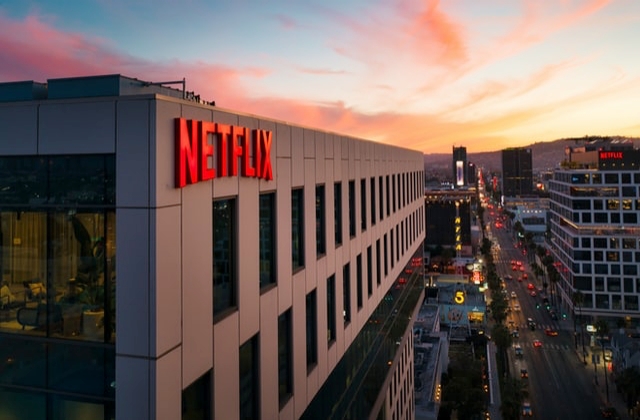
Netflix, the leading streaming company, reportedly brought in around ₩5.6T or about $4.74 billion to South Korea. With this, it was said to have helped boost the country’s economy.
Apart from the financial aspect, since its launch in 2016, Netflix has also created about 16,000 jobs for the locals. The company said that it was able to generate a large sum through the joint effort with the domestic content providers.
According to the Korea Economic Daily, Deloitte Consulting Korea said this week that the streaming firm’s investment in content production in South Korea contributed greatly to the nation’s economy. The content that generated profits for the company is not just from its show programming but from publishing, webtoons, distribution business, and consumer goods.
Based on Deloitte’s report, the economic value Netflix made through its collaborations with set designers, production editors, and visual effects artists has hit around ₩2.7 trillion. Moreover, in the survey that it conducted together with Netflix, it was revealed that in about 2,000 streaming service subscribers, 42% of them have also read the available web novels and webtoons.
In any case, The Korea Herald further mentioned that Netflix already invested more than ₩770 billion for local production projects. It has produced at least 80 original Korean TV series and movies that were released globally between 2016 and 2020. In this year alone, it was said to have already spent ₩550 billion on new productions such as the hit series “D.P.” and “Squid Game.”
“When Netflix first launched in Korea back in 2016, we would not have believed that in five years’ time we would have made 80 shows and films,” Netflix stated. “It was even harder to imagine the kind of impact we would bring to fans around the world and to the Korean creative economy.”
Meanwhile, Netflix said that it would exert more effort to further bring Korean content to the global audience. The hit drama series that it has so far released have all led to the increase in sales, and it can grow more as the Korean Wave is at its peak now.













