


 SK Hynix Prices Record U.S. ADR Offering at $149 After $200 Billion Investor Demand
  China vs. NASA: The New Moon Race and What's at Stake by 2030
  Bain Capital Exits Kioxia After AI-Fueled Valuation Surge
  Neuralink Plans High-Volume Brain Implant Production and Fully Automated Surgery by 2026
  SK Hynix’s $28B U.S. IPO Draws Strong Demand as AI Chip Boom Fuels Investor Interest
  Wolfspeed Sues Navitas Over GaN and SiC Patent Infringement
  EU to Propose New Rules Limiting Children's Access to Social Media
  NASA Resumes Cygnus XL Cargo Docking with Space Station After Software Fix
  SK Hynix Soars 13% in Nasdaq Debut After Record $26.5 Billion IPO
  Apple Tests China's CXMT Memory Chips as DRAM Maker Gains Global Market Share
  Is space worth the cost? Accounting experts say its value can’t be found in spreadsheets
  Yaskawa Electric Shares Slide as Weak Profit Overshadows Strong AI Demand
  Cogent Biosciences Soars 120% on Breakthrough Phase 3 Results for Bezuclastinib in GIST Treatment


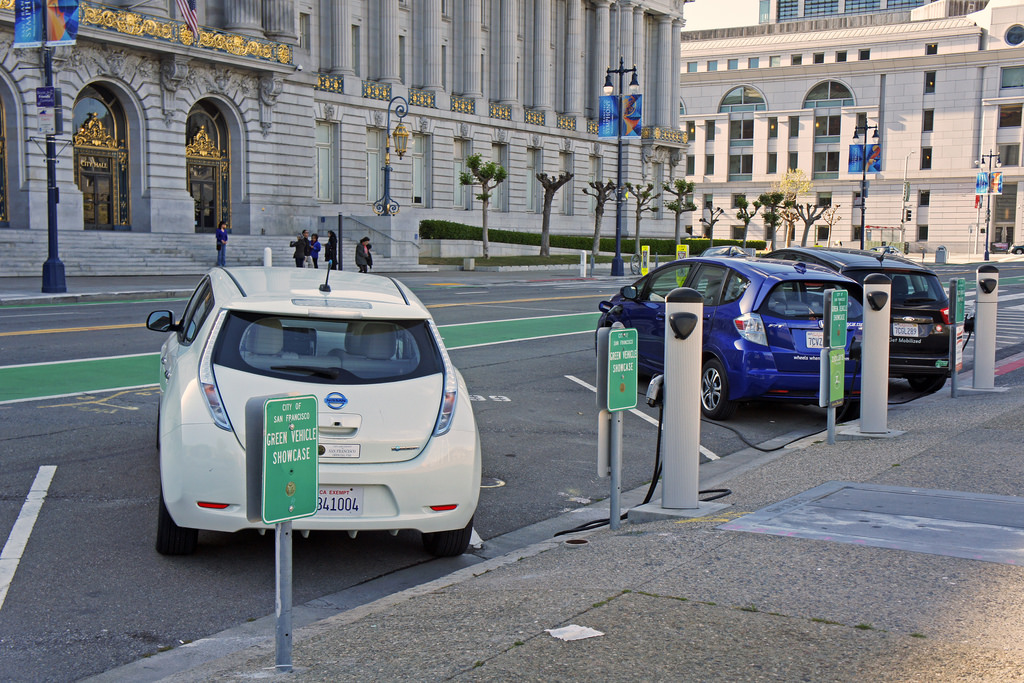
Right now, the Fossil Fuel industry is hanging on by a very thin thread that is the current technological limitations of renewable energy. However, this lifeline is getting weaker by the day. Thanks to a new discovery related to fast-charging batteries, the end of Big Oil might be closer than anybody would have thought. This new technology can make recharging electric cars as fast as refueling gas vehicles.
The discovery in question was made by researchers at the Purdue University. The project was led by Professor John Cushman and the findings were even presented at the International Society for Porous Media 9th International Conference held in The Netherlands. In the university press release, Cushman said that this new technology addresses the biggest challenge that electric cars face.
“Electric and hybrid vehicle sales are growing worldwide and the popularity of companies like Tesla is incredible, but there continues to be strong challenges for industry and consumers of electric or hybrid cars,” Cushman said. “The biggest challenge for industry is to extend the life of a battery’s charge and the infrastructure needed to actually charge the vehicle. The greatest hurdle for drivers is the time commitment to keeping their cars fully charged.”
Called the Ifbattery, the method basically involves refueling electric cars with a solution that contains electrolytes. Since the solutions are largely made up of water, it’s a safe alternative to petroleum and is sustainable since it can be used over and over.
The technology actually falls under a new kind of battery called a “flow battery,” Futurism reports. It basically works like a hybrid of fuel and electricity, which can be deposited in refueling stations in exchanged for a new batch. The used batch would then be sent to solar farms to be processed again. Instead of refining oil, these facilities will be refining the solution to charge it up with electrolytes.
Not only is the process sustainable and environmentally friendly, it’s also incredibly economical. On top of that, it’s a much safer option than either conventional Li-ion batteries or gas.







