


 Google Cloud and Liberty Global Forge Strategic AI Partnership to Transform European Telecom Services
  Sam Altman Reaffirms OpenAI’s Long-Term Commitment to NVIDIA Amid Chip Report
  SpaceX Updates Starlink Privacy Policy to Allow AI Training as xAI Merger Talks and IPO Loom
  SpaceX Prioritizes Moon Mission Before Mars as Starship Development Accelerates
  TSMC Eyes 3nm Chip Production in Japan with $17 Billion Kumamoto Investment
  SpaceX Pushes for Early Stock Index Inclusion Ahead of Potential Record-Breaking IPO
  Amazon Stock Rebounds After Earnings as $200B Capex Plan Sparks AI Spending Debate
  Instagram Outage Disrupts Thousands of U.S. Users
  Tencent Shares Slide After WeChat Restricts YuanBao AI Promotional Links
  AMD Shares Slide Despite Earnings Beat as Cautious Revenue Outlook Weighs on Stock
  Oracle Plans $45–$50 Billion Funding Push in 2026 to Expand Cloud and AI Infrastructure
  Palantir Stock Jumps After Strong Q4 Earnings Beat and Upbeat 2026 Revenue Forecast
  Nvidia CEO Jensen Huang Says AI Investment Boom Is Just Beginning as NVDA Shares Surge
  Jensen Huang Urges Taiwan Suppliers to Boost AI Chip Production Amid Surging Demand


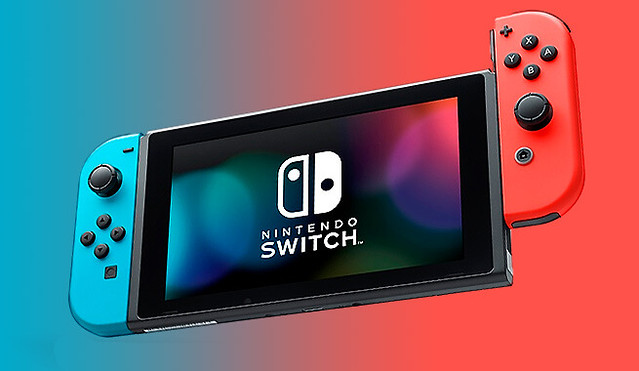
Thousands of Nintendo Switch users might be affected by a massive hack on Nintendo’s online services. The company confirmed that a recent hacking incident might have compromised the passwords and login IDs of around 160,000 Nintendo Network ID accounts, Wired reported.
Before Nintendo’s confirmation, there were already rumors of a hack circulating around, according to Independent. Recently, Nintendo Switch players have reported that they noticed suspicious logins as well as unauthorized purchases being made using their accounts.
Nintendo finally confirmed the hack in an April 24 post on its Japanese website. The company said that hackers were able to access online logins but did not give details on how the hackers were able to breach its system.
The company also confirmed that the hackers used some login IDs to make illegal purchases in its stores. Nintendo suggested that users review purchases made using their IDs and try to cancel the payments on questionable ones.
They also need to inform the company of the details of the suspected transactions. However, Nintendo warned that it may not be able to reply to everyone right away.
Nintendo said that hackers were able to steal Nintendo Network IDs, which serve as the login usernames on its online service, as well as their respective passwords. The perpetrators might have access to some personal information of Nintendo Switch users since the NNID accounts include their users’ email address and date of birth.
NNIDs are the older method of logging into the Nintendo online services. However, the company kept them around to allow players access to their older accounts.
But with the recent hack, the company decided to do away with the NNIDs for good. Existing players using NNIDs to log into the network will now have to sign in using their email addresses.
The company also revealed that it had reset the passwords of the users of its online service as part of its precautionary measures. To access their accounts, users will need to nominate a new password. Nintendo also asked users to turn on a two-factor authorization for their accounts so hackers won’t be able to easily access the account even if they know the password.













