


 Eli Lilly’s Inluriyo Gains FDA Approval for Advanced Breast Cancer Treatment
  Irish Council Approves Trump Doonbeg Ballroom Plan with Snail Protection Conditions
  NASA Partners with Katalyst to Save Swift Observatory with Innovative Docking Mission
  xAI’s Grok Secures Pentagon Deal for Classified Military AI Systems Amid Anthropic Dispute
  Neuralink Expands Brain Implant Trials with 12 Global Patients
  Samsung and SK Hynix Shares Hit Record Highs as Nvidia Earnings Boost AI Chip Demand
  Qantas Reports Record First-Half Profit as Travel Demand and New Aircraft Boost Earnings
  Nvidia Earnings Beat Expectations as AI Demand Surges, Stock Rises on Strong Revenue Outlook
  Nintendo Share Sale: MUFG and Bank of Kyoto to Sell Stakes in Strategic Unwinding
  NASA Astronauts Wilmore and Williams Recover After Boeing Starliner Delay
  OpenAI Faces Scrutiny After Banning ChatGPT Account of Tumbler Ridge Shooting Suspect
  Panama Investigates CK Hutchison’s Port Unit After Court Voids Canal Contracts
  OpenAI Hires Former Meta and Apple AI Leader Ruomin Pang Amid Intensifying AI Talent War
  FDA Adds Fatal Risk Warning to J&J and Legend Biotech’s Carvykti Cancer Therapy
  Hyundai Motor Plans Multibillion-Dollar Investment in Robotics, AI and Hydrogen in South Korea


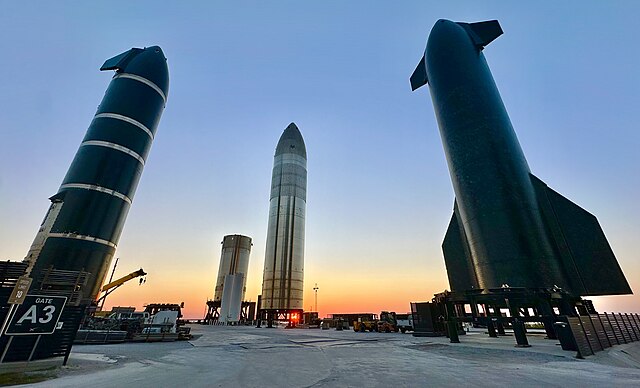
Elon Musk’s SpaceX is shifting its near-term space exploration strategy, choosing to prioritize a return to the Moon before pursuing missions to Mars, according to a recent Wall Street Journal report citing sources familiar with the matter. The aerospace company has reportedly told investors that it is now targeting March 2027 for an uncrewed lunar landing, marking a significant milestone in its long-term plans for deep space exploration.
This updated timeline represents a notable change from Musk’s earlier public statements. In 2024, Musk said SpaceX aimed to launch an uncrewed mission to Mars by the end of 2026. While Mars remains a core part of SpaceX’s vision, the company is now focusing its resources on lunar missions first, reflecting both technical and strategic considerations as it develops its next-generation launch system.
At the center of these ambitions is Starship, SpaceX’s fully reusable, stainless steel rocket designed to carry cargo and humans to destinations including low Earth orbit, the Moon, and eventually Mars. Starship is a critical component of NASA’s Artemis program, which aims to return U.S. astronauts to the Moon for the first time since the final Apollo mission in 1972. The lunar landing planned for 2027 would be conducted without astronauts on board, serving as a major test of Starship’s capabilities.
The news comes amid broader developments across Musk’s business empire. Reports indicate that SpaceX has agreed to acquire artificial intelligence company xAI in a deal valuing SpaceX at approximately $1 trillion and xAI at $250 billion, underscoring investor confidence in SpaceX’s long-term growth and technological leadership. SpaceX did not immediately respond to requests for comment on the reported changes to its mission timeline.
Globally, the race to the Moon is intensifying. The United States faces increasing competition from China, which has announced its own plans to send astronauts to the lunar surface later this decade. Against this backdrop, SpaceX’s renewed focus on lunar exploration highlights the Moon’s growing importance as a strategic and technological stepping stone for future missions to Mars and beyond.













