


 Every generation thinks they had it the toughest, but for Gen Z, they’re probably right
  Goldman Sees Foreign Investors Driving India Stock Market Recovery
  Yaskawa Electric Shares Slide as Weak Profit Overshadows Strong AI Demand
  ICC Says Darfur War Crimes Probe Reaches Breakthrough in Sudan Investigation
  UBS Starts CarTrade Tech With Buy Rating, Sees Strong Earnings Growth and ₹4,000 Target
  Singapore GDP Grows 5.7% in Q2 2026 as AI-Driven Manufacturing Boosts Economy
  Kitron Q2 Revenue Beats Estimates as Defense Demand Lifts Growth
  Why have so few atrocities ever been recognised as genocide?
  What’s the difference between baking powder and baking soda? It’s subtle, but significant
  Glastonbury is as popular than ever, but complaints about the lineup reveal its generational challenge
  How to support someone who is grieving: five research-backed strategies
  Trump Administration Hands Over Key Evidence in Minnesota Immigration Shooting Investigations
  Gold Price Holds Near $4,000 as Middle East Tensions and Fed Rate Hike Bets Grow
  Asian Stocks Slide as Oil Surge, U.S.-Iran Tensions and Fed Rate Bets Weigh on Markets
  Booked to travel through the Middle East? Here’s why you shouldn’t cancel your flight
  Why a ‘rip-off’ degree might be worth the money after all – research study
  Apple Sues OpenAI, Former Employees Over Alleged Trade Secret Theft


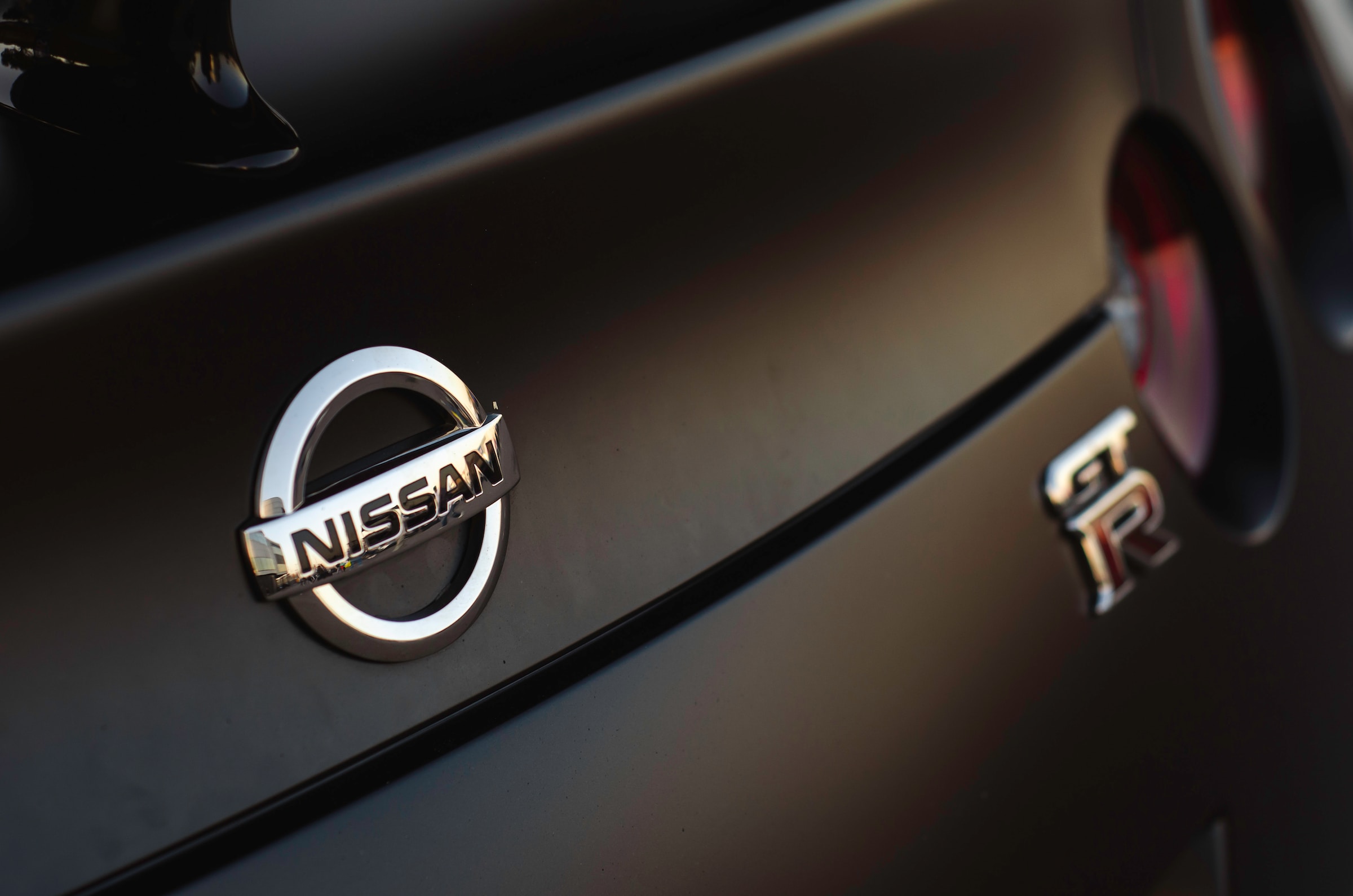
Japanese carmaker Nissan pledges all its new European models will be electric by 2030. Despite global automotive transitions and challenges, this bold move highlights the company's commitment to the European EV market.
The decision to press ahead with this target comes just a week after the United Kingdom delayed the ban on selling new gasoline and diesel cars until 2035. Nissan's President and CEO, Makoto Uchida, said there is no turning back now, and that is the right thing to do for their business, customers, and the planet.
Over one-third of all the EVs sold worldwide by Nissan have been in Europe. In line with plans, Nissan aims to launch 27 electric and hybrid vehicles globally by 2030. This includes an impressive lineup of 19 all-electric models. While Nissan was an early EV pioneer, it has faced stiff competition from both Tesla and China's BYD.
Looking ahead, Nissan plans to introduce cobalt-free technology to reduce the cost of EV batteries by 65% by fiscal 2028. Additionally, the company aims to introduce a vehicle featuring all-solid-state batteries (ASSB) by the same year. This innovation is expected to reduce charging times by two-thirds, greatly improving convenience for EV owners.
The push towards electrification is not limited to Nissan alone. Other major players, including Renault, Ford, and Stellantis, have all announced plans to transition their European passenger ranges exclusively to electric vehicles by 2030.
The UK's decision to push back the 2030 sales target has faced criticism from Ford UK Chair Lisa Brankin, who believes it creates uncertainty and diverts focus from the EV transition.
Nissan has confirmed that one of their upcoming EV models will be manufactured in Sunderland, UK. Uchida explained that Sunderland was chosen due to its historical significance, cost competitiveness, and to showcase their electrification strategy in the country.
Uchida acknowledged that the automotive industry is evolving and facing challenges worldwide. In China, Nissan plans to expedite its car launches and introduce new models that target specific consumer groups.
Photo: Ryno Marais/Unsplash







