


 Trump Administration Bars U.S. Travelers From Congo Flights Amid Ebola Outbreak
  Minnesota Wildfires Spread as Governor Tim Walz Deploys National Guard
  Ann Widdecombe Murder: Police Arrest Second Suspect, Rule Out Terrorism Motive
  Trump, Canada Reach Gordie Howe Bridge Deal Ahead of July 27 Opening
  EU to Propose New Rules Limiting Children's Access to Social Media
  Trump Administration Hands Over Key Evidence in Minnesota Immigration Shooting Investigations
  UK Sanctions 24 Russian-Linked Targets Over Cyberattacks and Election Interference
  EU Weighs New Trade Restrictions on Israeli West Bank Settlements
  HHS Watchdog Reports $5.56 Billion in Healthcare Fraud Recoveries as Enforcement Actions Decline
  Republican Senator Lindsey Graham Dies at 71, Leaving South Carolina Senate Seat Vacant
  Venezuela Appoints Felix Plasencia to Lead Foreign Relations and Trade
  Brazil Court Bars Flavio Bolsonaro From Visiting Jair Bolsonaro Ahead of Election
  Reuters/Ipsos Poll: Most Americans Expect U.S.-Iran War to Be Prolonged
  US-Iran Strikes Escalate as Strait of Hormuz Crisis Pushes Oil Prices Higher
  UN Says Hamas Disrupted Gaza Aid Distribution, Group Denies Allegations
  Russia Launches Missile and Drone Attacks on Kyiv, Zaporizhzhia, and Kharkiv
  Israel Sets October 27 Election as Netanyahu Faces Tough Political Test


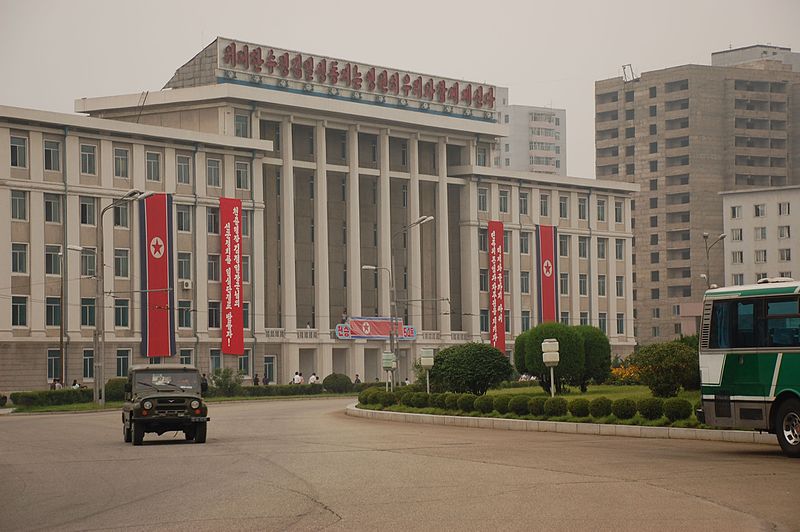
Last week, the United States said its policy on North Korea remains the same. The clarification from Washington follows a remark by a senior US official responsible for nuclear policy that the US is open to engaging in arms control talks with North Korea.
US State Department spokesperson Ned Price said Friday last week that Washington’s policy on North Korea has not changed even after the comments by the agency’s undersecretary of arms control Bonnie Jenkins regarding potential arms control talks with Pyongyang.
“I want to be very clear about this. There has been no change to US policy,” said Price, adding that Washington’s policy on Pyongyang is still its complete denuclearization and that they are still willing to pursue diplomacy with North Korea.
“We will continue to be open to diplomacy with the DPRK, we continue to reach out to the DPRK, we’re committed to pursuing a diplomatic approach. We’re prepared to meet without preconditions and call on the DPRK to engage in serious and sustained diplomacy,” said Price, referring to North Korea by the initials of its official name, the Democratic People’s Republic of Korea.
Another State Department arms control official, Alexandra Bell, also echoed Price’s comments on US policy. Speaking at the same conference that Jenkins addressed, Bell stressed that there was no change in US policy on North Korea. Bell was pressed on whether it was time to accept that North Korea is a nuclear state, the official said no and that they are still open to talks with North Korean officials.
Asia Society’s Daniel Russel, who previously served as Barack Obama’s top US diplomat, said that Jenkins fell for North Korean leader Kim Jong-un’s “trap.”
“Kim would love nothing better than to push his risk reduction agenda – the withdrawal of US troops from Korea,” said Russel.
On the same day, Pyongyang fired two short-range ballistic missiles off the east coast, according to the South Korean military, as South Korean forces were wrapping up nearly two weeks of military drills aimed at deterring North Korea. The missiles were fired from North Korea’s Tongchon in the Gangwon province, four days after both sides exchanged warning shots off the west coast of the peninsula.







