


 EU to Propose New Rules Limiting Children's Access to Social Media
  China 618 Smartphone Sales Drop 13% as Higher Prices Hurt Demand, Huawei Gains Market Share
  Samsung Chairman Lee Jae-yong Expected to Meet Nvidia CEO Jensen Huang on AI and Chip Partnership
  Australia Flags Child Safety Gaps at Apple, Meta, Google Over Online Sexual Extortion
  Samsung to Launch First Yongin Chip Plant by 2029 as South Korea Speeds Up Semiconductor Hub
  SK Hynix Soars 13% in Nasdaq Debut After Record $26.5 Billion IPO
  SK Hynix Shares Drop After Strong Nasdaq Debut Despite $26 Billion ADR Listing
  Apple Sues OpenAI, Former Employees Over Alleged Trade Secret Theft
  Morgan Stanley Says China’s Reusable Rocket Progress Poses Long-Term Challenge to SpaceX
  TSMC Q2 Revenue Surges 36% as AI Chip Demand Powers Growth Ahead of Earnings
  SoftBank Corp Partners With Sierra to Expand AI Customer Support Across Japan
  Nvidia Tightens AI Chip Sales in Asia With Stricter Customer Approval Process
  Nvidia Invests $500M in Firmus Technologies Ahead of Planned ASX IPO
  Fast Retailing Raises Full-Year Forecast After Uniqlo Owner Beats Q3 Profit Estimates
  Muji Owner Ryohin Keikaku Stock Soars After Raising Full-Year Earnings Forecast
  Apple Tests China's CXMT Memory Chips as DRAM Maker Gains Global Market Share


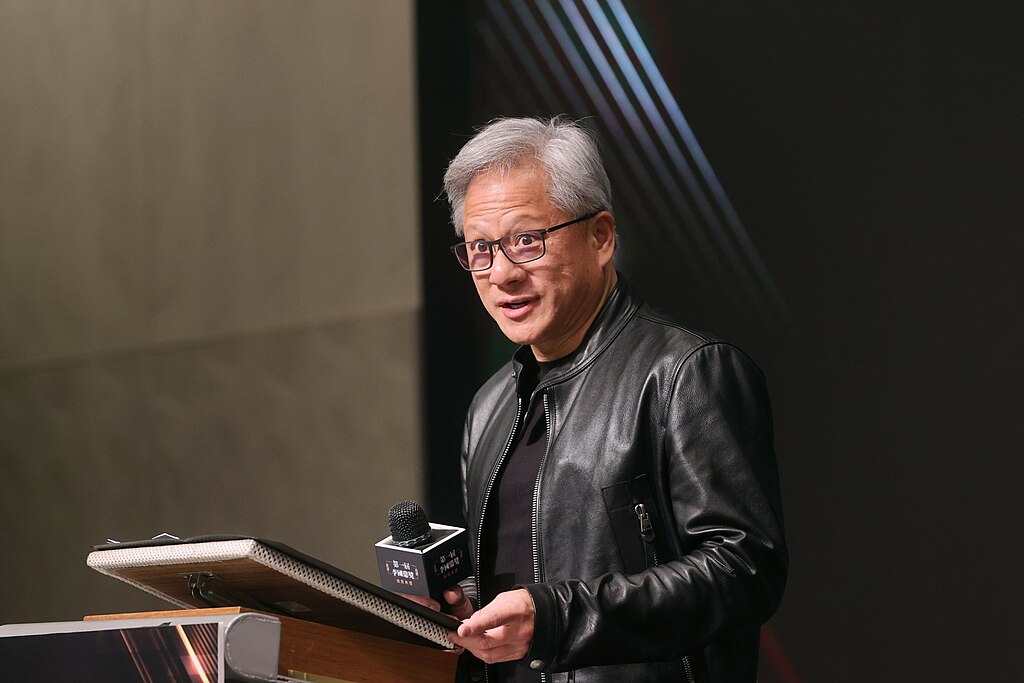
Nvidia CEO Jensen Huang revealed that a previously rumored $100 billion investment in OpenAI is unlikely to happen, highlighting instead the company’s existing $30 billion investment in the artificial intelligence leader. Speaking at the Morgan Stanley Technology, Media, and Telecom conference, Huang described the investment as possibly the last major opportunity to participate in a company with OpenAI’s level of influence before it potentially moves toward an initial public offering later this year.
Huang explained that the scale of the rumored $100 billion deal is “not in the cards,” particularly as OpenAI prepares for a possible IPO. Despite that, Nvidia’s $30 billion commitment signals strong confidence in the future of artificial intelligence and the growing importance of high-performance computing infrastructure in the AI economy.
The Nvidia chief also discussed the company’s $10 billion investment in Anthropic, another prominent AI startup. According to Huang, that investment will likely be Nvidia’s final major funding move in the company, suggesting Nvidia may focus more heavily on expanding infrastructure and partnerships rather than additional equity investments.
Beyond investments, Huang emphasized Nvidia’s rapid expansion of AI computing capacity across leading cloud platforms. The company is working closely with Microsoft Azure, Amazon Web Services, and Oracle Cloud Infrastructure to scale OpenAI’s computing capabilities. Nvidia is also accelerating Anthropic’s infrastructure growth on both AWS and Azure to meet rising demand for AI workloads.
Huang described demand for Nvidia’s AI chips and computing power as moving from “very high” to “even higher,” reflecting the explosive growth of generative AI and machine learning technologies worldwide. He noted that Nvidia has carefully secured its supply chain, including key components such as memory, wafers, CoWoS packaging, connectors, cables, copper, and multilayer ceramic capacitors, ensuring the company can scale production quickly when major partners request additional computing capacity.
Looking ahead, Huang shared a broader vision for the future of artificial intelligence and the global economy. He argued that computing power will become a fundamental economic driver, stating that “compute equals revenues.” In his view, every company will eventually require massive computing resources, and access to compute could ultimately become as critical to economies as traditional measures like GDP. Huang added that the world will not face a shortage of intelligence but rather a need for sufficient computing infrastructure to unlock AI’s full potential.







