


 Stellantis Q2 Vehicle Shipments Rise 10% as North America Drives Growth
  Muji Owner Ryohin Keikaku Stock Soars After Raising Full-Year Earnings Forecast
  Zhipu AI Raises HK$31.37 Billion in Discounted Share Sale to Accelerate AI Growth
  Samsung to Launch First Yongin Chip Plant by 2029 as South Korea Speeds Up Semiconductor Hub
  OpenAI Executive Fidji Simo to Step Down Amid Health Challenges Ahead of IPO
  SK Hynix Prices Record U.S. ADR Offering at $149 After $200 Billion Investor Demand
  Australia Flags Child Safety Gaps at Apple, Meta, Google Over Online Sexual Extortion
  EU to Propose New Rules Limiting Children's Access to Social Media
  Oppenheimer Sees CNH Industrial as Top 2026 Agriculture Stock Pick on Dealer Consolidation Strategy
  Apple Tests China's CXMT Memory Chips as DRAM Maker Gains Global Market Share
  Chinese Chip Stocks Jump as Apple Reportedly Tests CXMT Memory Chips for China Devices
  SpaceX Stock Draws Bullish Wall Street Coverage Ahead of Nasdaq-100 Inclusion
  Genesis Minerals to Acquire Vault in A$5.6 Billion Deal After Regis Withdraws
  DOJ Grand Jury Investigates UAW President Shawn Fain Ahead of Union Election
  Fast Retailing Raises Full-Year Forecast After Uniqlo Owner Beats Q3 Profit Estimates
  Bain Capital Exits Kioxia After AI-Fueled Valuation Surge


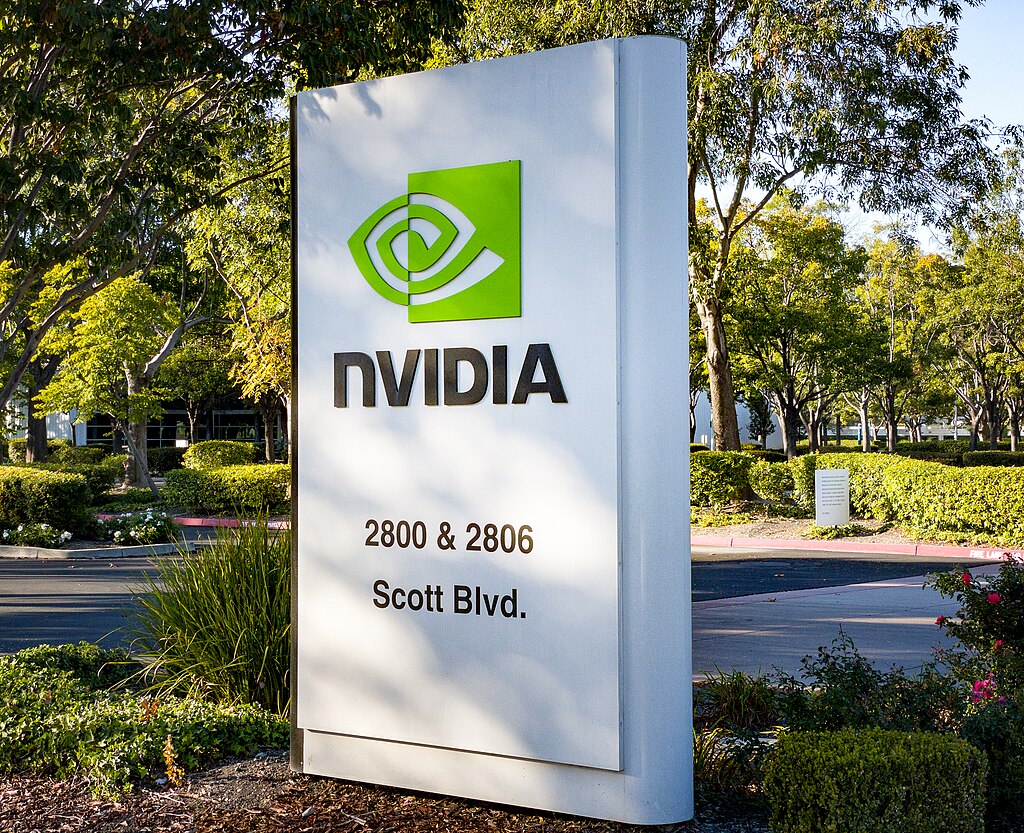
Nvidia has denied claims that it requires full upfront payments for its H200 artificial intelligence chips, pushing back against reports suggesting unusually strict sales terms for Chinese customers. In a statement issued to Reuters on Tuesday, the U.S. chipmaker said it would “never require customers to pay for products they do not receive,” addressing concerns raised in a January 8 Reuters report.
The earlier report cited sources who claimed Nvidia had imposed tougher conditions on Chinese buyers seeking access to its advanced AI chips, including demands for full payment before delivery. According to Nvidia, such claims are inaccurate, and the company emphasized that its standard business practices do not involve collecting payment for undelivered products.
That said, industry sources noted that Nvidia’s sales terms for Chinese clients have historically included advance payment requirements. In some cases, customers were allowed to secure orders with deposits rather than making full payments upfront. However, for the H200 chip specifically, Nvidia has reportedly been far more cautious in enforcing contractual conditions.
The heightened scrutiny surrounding the H200 is largely due to regulatory uncertainty. Sources familiar with the matter told Reuters that Nvidia faces a lack of clarity over whether Chinese regulators will approve shipments of the advanced AI processor. As a result, stricter enforcement of payment and order conditions has been applied to manage potential risks associated with delayed or denied export approvals.
If full advance payments were required, such a structure would shift significant financial risk from Nvidia to its customers. Chinese buyers would need to commit capital without assurance that Beijing will greenlight the imports or that they will ultimately be able to deploy the technology as intended. This uncertainty has added to broader concerns around U.S. export controls, semiconductor supply chains, and access to high-performance AI hardware in China.
The situation highlights the growing complexity of the global semiconductor market, where geopolitical tensions, export regulations, and regulatory approvals increasingly shape how leading chipmakers like Nvidia conduct business across borders.







