


 SK Hynix Prices Record U.S. ADR Offering at $149 After $200 Billion Investor Demand
  SoftBank Corp Partners With Sierra to Expand AI Customer Support Across Japan
  Bain Capital Exits Kioxia After AI-Fueled Valuation Surge
  Nippon Paint Reportedly Offers Up to €7.5 Billion for Akzo Nobel Decorative Paints Business
  Chinese Chip Stocks Jump as Apple Reportedly Tests CXMT Memory Chips for China Devices
  Kitron Q2 Revenue Beats Estimates as Defense Demand Lifts Growth
  Australia Flags Child Safety Gaps at Apple, Meta, Google Over Online Sexual Extortion
  Apple Sues OpenAI, Former Employees Over Alleged Trade Secret Theft
  AstraZeneca Shares Sink After Wainua Trial Misses Key Heart Disease Goal
  Mastercard Explores Sale of Majority Stake in UK Payments Firm Vocalink: Report
  China 618 Smartphone Sales Drop 13% as Higher Prices Hurt Demand, Huawei Gains Market Share
  LG Energy Solution Q2 Profit Plunges 77% Despite Revenue Growth on Weak EV Demand
  Samsung Chairman Lee Jae-yong Expected to Meet Nvidia CEO Jensen Huang on AI and Chip Partnership
  Oppenheimer Sees CNH Industrial as Top 2026 Agriculture Stock Pick on Dealer Consolidation Strategy
  Stellantis Q2 Vehicle Shipments Rise 10% as North America Drives Growth
  Genesis Minerals to Acquire Vault in A$5.6 Billion Deal After Regis Withdraws
  SK Hynix Soars 13% in Nasdaq Debut After Record $26.5 Billion IPO


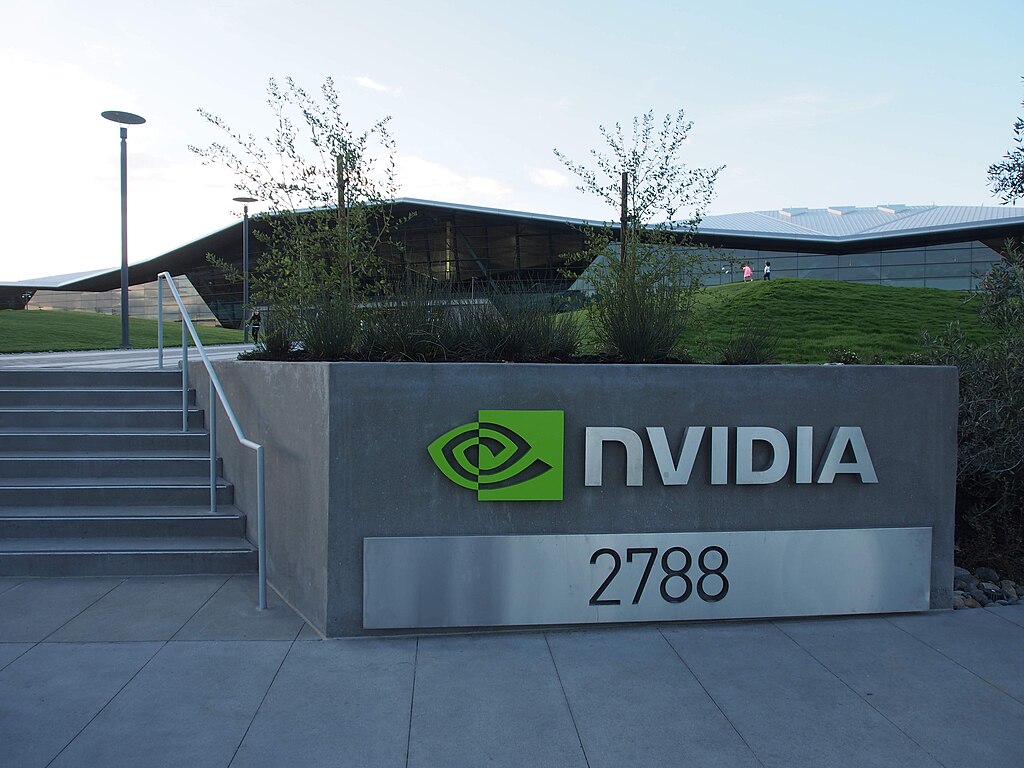
Nvidia has confirmed the development of a new location-verification technology designed to help identify the country where its AI chips are being used, a move aimed at curbing the smuggling of advanced processors into regions under U.S. export restrictions. The feature, which the company has privately demonstrated but not yet released, will be offered as an optional software tool that customers can install on their systems.
According to Nvidia, the technology uses the confidential computing capabilities embedded in its GPUs. By measuring communication delays between a chip and Nvidia-operated servers, the software can estimate the chip’s geographic location with accuracy comparable to other internet-based services. Nvidia emphasized that the tool stems from existing telemetry systems typically used by data centers to track GPU performance, health, and overall fleet integrity.
In a follow-up blog post after the initial Reuters report, Nvidia detailed that the software will be open-source, allowing independent security researchers to examine its design. The company also clarified privacy and control concerns, stating that the telemetry exchanged with Nvidia servers is strictly “read only.” Nvidia stressed that no functionality exists for remote control, shutdown, or interference with deployed GPUs, stating unequivocally that “there is no kill switch.”
The location-verification system will debut on Nvidia’s newest Blackwell GPUs, which include enhanced hardware for secure attestation. The company is also exploring support for older Hopper and Ampere models. This development comes as U.S. officials intensify efforts to stop illegal transfers of high-performance AI chips to China, especially after recent smuggling cases involving more than $160 million worth of Nvidia hardware.
However, China’s cybersecurity regulator has raised questions over whether such capabilities could create potential backdoors—claims Nvidia firmly denies. Experts note that secure location verification is technically achievable without compromising device security. The debate resurfaced after President Donald Trump signaled willingness to allow exports of Nvidia’s H200 chips to China, though analysts doubt Chinese authorities will approve such imports.







