


 SK Hynix Soars 13% in Nasdaq Debut After Record $26.5 Billion IPO
  Zhipu AI Raises HK$31.37 Billion in Discounted Share Sale to Accelerate AI Growth
  SpaceX Stock Draws Bullish Wall Street Coverage Ahead of Nasdaq-100 Inclusion
  TSMC Q2 Revenue Surges 36% as AI Chip Demand Powers Growth Ahead of Earnings
  SoftBank Corp Partners With Sierra to Expand AI Customer Support Across Japan
  Kitron Q2 Revenue Beats Estimates as Defense Demand Lifts Growth
  Goldman AM Sees Strong Buyout Opportunities in Japan, South Korea and Australia
  SK Hynix Shares Drop After Strong Nasdaq Debut Despite $26 Billion ADR Listing
  SK Hynix’s $28 Billion U.S. Share Sale Draws Massive Demand Amid AI Chip Boom
  Elon Musk Says Anthropic Leads AI Race as Claude Models Challenge OpenAI
  LG Energy Solution Q2 Profit Plunges 77% Despite Revenue Growth on Weak EV Demand
  Paramount-Warner Bros. Discovery Merger Faces Lawsuit From 12 States
  Genesis Minerals to Acquire Vault in A$5.6 Billion Deal After Regis Withdraws
  Apple Tests China's CXMT Memory Chips as DRAM Maker Gains Global Market Share
  Samsung to Launch First Yongin Chip Plant by 2029 as South Korea Speeds Up Semiconductor Hub


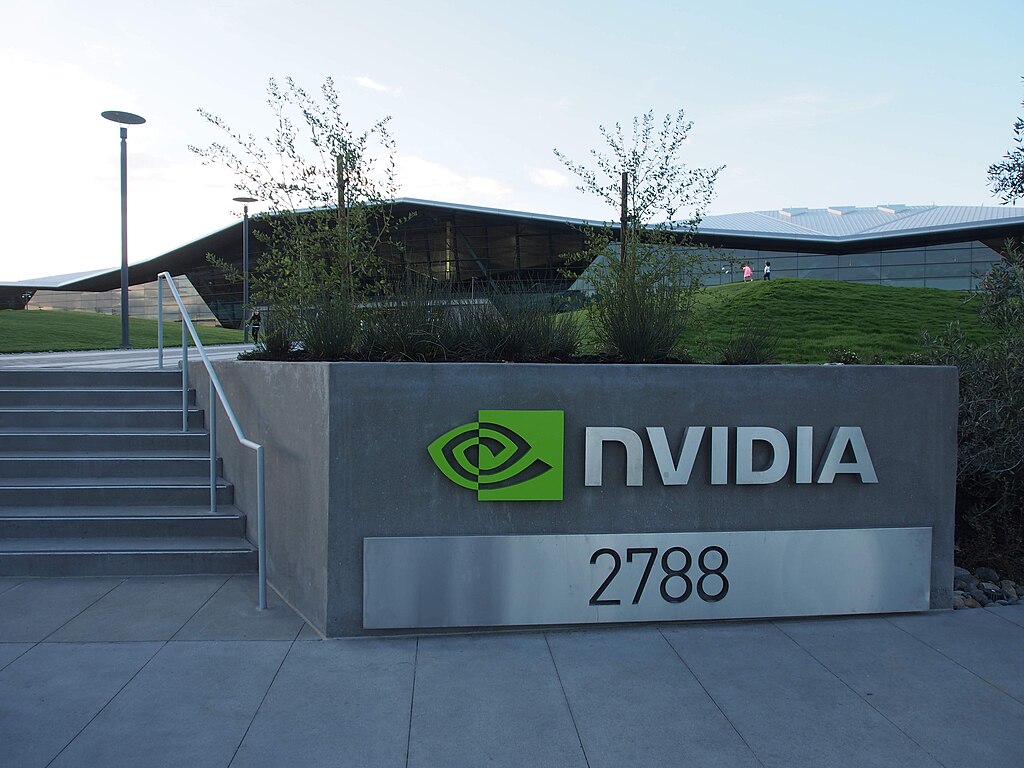
Nvidia, recently crowned the world’s most valuable company, is aggressively countering skepticism surrounding its massive $4.5 trillion valuation, which has fallen from its record $5 trillion peak. As criticism grows on Wall Street and social media, the chipmaker has launched an information campaign to reassure investors about its financial health and long-term prospects.
According to a memo obtained by Reuters and later published by Bernstein, Nvidia issued a detailed rebuttal aimed at sell-side analysts, addressing concerns raised by well-known investor Michael Burry—famous for predicting the 2008 housing market crash—and other commentators on Substack. Burry has drawn fresh attention with his recent newsletter criticizing Nvidia’s soaring valuation and market position.
The memo directly responded to a Substack essay that used AI-based analysis to claim Nvidia’s inventory levels were rising and that customers might be struggling to pay. Nvidia dismissed these claims as inaccurate, pointing to its public financial disclosures as evidence. The company also pushed back against comparisons to major historical corporate scandals such as Enron, Lucent, and WorldCom, asserting that its accounting practices remain transparent and sound.
However, Nvidia did acknowledge that its newest Blackwell GPUs come with slightly lower gross margins and higher warranty costs due to their advanced complexity—an issue some analysts have flagged as a potential concern for future profitability.
The memo’s publication coincided with a dip in Nvidia’s share price after The Information reported that Meta was in talks with Google to adopt Google’s AI chips, which compete with Nvidia’s products. Nvidia quickly took to X (formerly Twitter) to praise Google’s progress while emphasizing that its own chips remain “a generation ahead.”
The rare public defense triggered confusion among some industry observers. Google DeepMind researcher Susan Zhang questioned why Nvidia felt compelled to respond so openly, suggesting the move could signal insecurity to investors and competitors.
Despite heightened scrutiny, Nvidia continues to dominate the AI semiconductor market, with investors closely watching whether the company can maintain its lead amid intensifying competition and growing doubts about its lofty valuation.







