


 Yaskawa Electric Shares Slide as Weak Profit Overshadows Strong AI Demand
  China 618 Smartphone Sales Drop 13% as Higher Prices Hurt Demand, Huawei Gains Market Share
  Morgan Stanley Names Marks & Spencer Top European Retail Pick, Sees Strong Upside
  SoftBank Corp Partners With Sierra to Expand AI Customer Support Across Japan
  Apple Sues OpenAI, Former Employees Over Alleged Trade Secret Theft
  SK Hynix Prices Record U.S. ADR Offering at $149 After $200 Billion Investor Demand
  Samsung Chairman Lee Jae-yong Expected to Meet Nvidia CEO Jensen Huang on AI and Chip Partnership
  Samsung to Launch First Yongin Chip Plant by 2029 as South Korea Speeds Up Semiconductor Hub
  TSMC Q2 Revenue Surges 36% as AI Chip Demand Powers Growth Ahead of Earnings
  Elon Musk Says Anthropic Leads AI Race as Claude Models Challenge OpenAI
  Kitron Q2 Revenue Beats Estimates as Defense Demand Lifts Growth
  Deutsche Bank Fined A$2 Million by ASIC Over OTC Derivatives Reporting Errors
  SK Hynix’s $28B U.S. IPO Draws Strong Demand as AI Chip Boom Fuels Investor Interest
  Paramount-Warner Bros. Discovery Merger Faces Lawsuit From 12 States
  Muji Owner Ryohin Keikaku Stock Soars After Raising Full-Year Earnings Forecast
  OpenAI Executive Fidji Simo to Step Down Amid Health Challenges Ahead of IPO
  EU to Propose New Rules Limiting Children's Access to Social Media


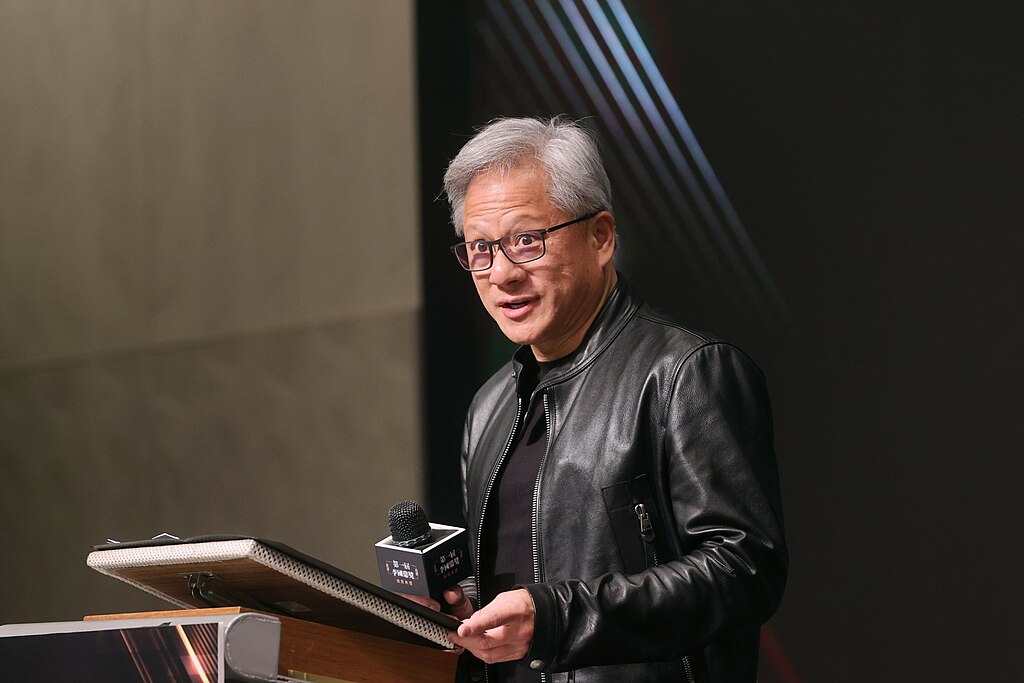
NVIDIA Corporation (NASDAQ: NVDA) has introduced a new variable compensation plan for fiscal 2027 that ties executive bonuses directly to revenue performance, according to a recent regulatory filing. Under the updated structure, CEO Jensen Huang will have a target cash bonus of $4 million, which equals 200% of his base salary. The compensation committee approved the plan on March 2 as the company continues to strengthen its position in the fast-growing artificial intelligence and semiconductor markets.
The revised bonus framework also applies to other senior executives, who will be eligible for a target payout of $1.5 million, representing 150% of their base salaries. By linking incentives to revenue targets for the fiscal year ending January 31, 2027, Nvidia aims to align executive compensation with the company’s financial performance and long-term growth strategy.
The announcement comes shortly after Nvidia delivered a record-breaking fiscal 2026 performance. The semiconductor giant reported full-year revenue of $215.9 billion, marking a 65% year-over-year increase. This surge was largely fueled by soaring demand for Nvidia’s advanced AI chips, particularly those built on its Blackwell architecture, which has become a key driver of the company’s dominance in the global AI hardware market.
Despite its strong growth trajectory, Nvidia faces several external challenges that could affect its valuation. The company recently projected first-quarter revenue of approximately $78 billion, but this outlook does not include potential data center compute sales from China. Ongoing U.S. export restrictions on advanced semiconductor technology have limited Nvidia’s ability to supply certain high-performance chips to the Chinese market.
In response to these geopolitical pressures, Nvidia is reportedly shifting production priorities at Taiwan Semiconductor Manufacturing Company (NYSE: TSM). The company is redirecting manufacturing capacity away from China-compliant chips and focusing on its upcoming Vera Rubin AI platform, which is expected to play a major role in the next generation of AI computing.
Despite short-term market concerns that recently pushed Nvidia shares down about 3%, analysts remain optimistic about the company’s long-term outlook. Tigress Financial continues to maintain a “Buy” rating on Nvidia stock, highlighting positive earnings estimate revisions and the expanding influence of artificial intelligence across multiple industries. As AI adoption accelerates worldwide, Nvidia’s leadership in advanced GPU technology positions it well for continued revenue growth and market dominance.







