


 Goldman AM Sees Strong Buyout Opportunities in Japan, South Korea and Australia
  Meta Says States Seek $1.4 Trillion in Penalties Over Teen Social Media Addiction Lawsuit
  EU Ministers Split as Support Grows for Ban on Trade With Israeli West Bank Settlements
  Republican Senator Lindsey Graham Dies at 71, Leaving South Carolina Senate Seat Vacant
  SK Hynix Soars 13% in Nasdaq Debut After Record $26.5 Billion IPO
  Morgan Stanley Names Marks & Spencer Top European Retail Pick, Sees Strong Upside
  US-Iran Strikes Escalate as Strait of Hormuz Crisis Pushes Oil Prices Higher
  Muji Owner Ryohin Keikaku Stock Soars After Raising Full-Year Earnings Forecast
  Western Allies Push for More Air Defenses for Ukraine at Paris Summit
  Samsung Q2 Profit Hits Record on AI Memory Boom as Shares Tumble
  Genesis Minerals to Acquire Vault in A$5.6 Billion Deal After Regis Withdraws
  DOJ Subpoenas New York Times Journalists Over Air Force One Leak Report
  Trump Administration Hands Over Key Evidence in Minnesota Immigration Shooting Investigations
  Morgan Stanley Says China’s Reusable Rocket Progress Poses Long-Term Challenge to SpaceX
  Kitron Q2 Revenue Beats Estimates as Defense Demand Lifts Growth
  Trump Tells Congress Iran Hostilities Restarted, Citing New 60-Day War Powers Window


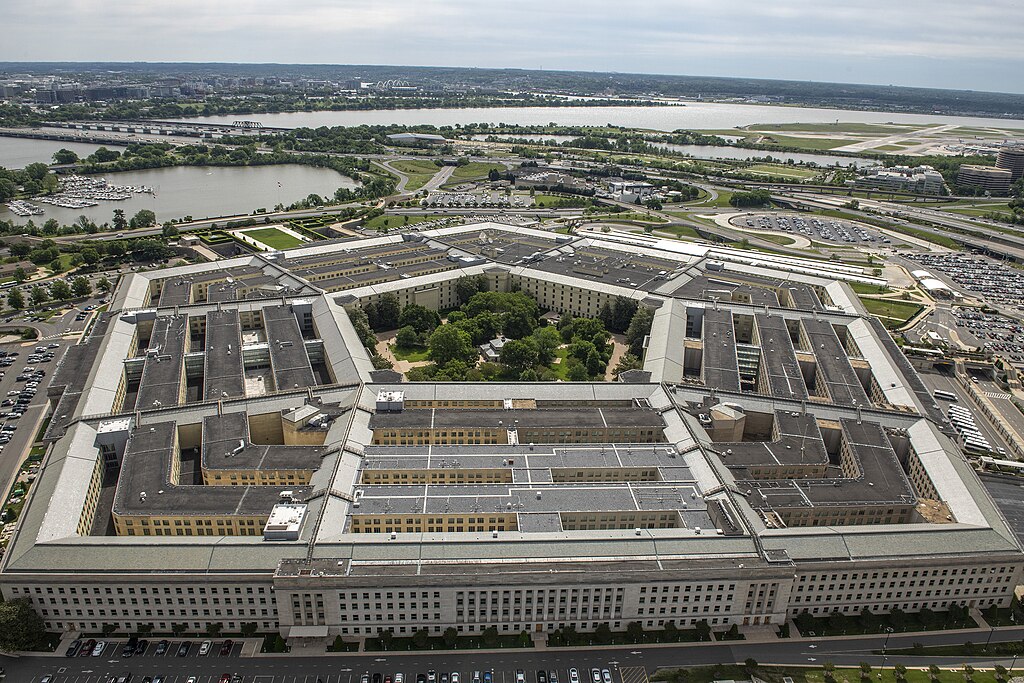
The U.S. Pentagon has officially designated artificial intelligence company Anthropic as a “supply-chain risk,” a move that immediately restricts government contractors from using the company’s AI technology in projects tied to the U.S. military. The decision follows months of tension between the Defense Department and Anthropic over limits the AI developer placed on how its technology can be used in military operations.
According to sources familiar with the situation, Anthropic’s flagship AI model, Claude, has been used to support various defense-related activities, including intelligence analysis and operational planning. One source indicated the technology may have been used in connection with military operations involving Iran, though the full details of its deployment remain unclear.
The new designation effectively prevents contractors working with the Pentagon from integrating Anthropic’s AI tools into defense systems or military workflows. While the government has not disclosed the full scope of the restriction, the “supply-chain risk” label is significant because it has historically been applied to foreign technology companies considered potential security threats. Similar actions were previously taken against Chinese telecommunications giant Huawei, which was removed from U.S. defense supply chains.
Anthropic had previously been among the earliest American AI firms to collaborate with U.S. national security agencies. However, the relationship has become strained due to disagreements over the ethical safeguards the company enforces on its AI systems. Anthropic has maintained strict policies prohibiting the use of its Claude AI for autonomous weapons development or large-scale surveillance within the United States.
The Pentagon has reportedly pushed back against these restrictions, arguing that military use of artificial intelligence should be permitted when it complies with existing U.S. laws and defense guidelines. This policy clash ultimately contributed to the recent decision to designate Anthropic as a supply-chain risk.
Anthropic’s AI technology is also embedded in defense-related platforms such as Palantir’s Maven Smart Systems, a software platform used by military organizations for intelligence processing and weapons targeting. The platform reportedly incorporates workflows and prompts built using Claude’s underlying code.
Neither Anthropic nor the Defense Department—referred to by the Trump administration as the Department of War—immediately responded to requests for comment regarding the designation. The move highlights growing tensions between AI companies and governments over how advanced artificial intelligence should be used in national security and warfare.







