


 Meta Says States Seek $1.4 Trillion in Penalties Over Teen Social Media Addiction Lawsuit
  SK Hynix Soars 13% in Nasdaq Debut After Record $26.5 Billion IPO
  Elon Musk Says Anthropic Leads AI Race as Claude Models Challenge OpenAI
  SoftBank Corp Partners With Sierra to Expand AI Customer Support Across Japan
  Stellantis Q2 Vehicle Shipments Rise 10% as North America Drives Growth
  Goldman AM Sees Strong Buyout Opportunities in Japan, South Korea and Australia
  Nvidia Invests $500M in Firmus Technologies Ahead of Planned ASX IPO
  TSMC Q2 Revenue Surges 36% as AI Chip Demand Powers Growth Ahead of Earnings
  SK Hynix Shares Drop After Strong Nasdaq Debut Despite $26 Billion ADR Listing
  Chinese Chip Stocks Jump as Apple Reportedly Tests CXMT Memory Chips for China Devices
  Fast Retailing Raises Full-Year Forecast After Uniqlo Owner Beats Q3 Profit Estimates
  Zhipu AI Raises HK$31.37 Billion in Discounted Share Sale to Accelerate AI Growth
  China 618 Smartphone Sales Drop 13% as Higher Prices Hurt Demand, Huawei Gains Market Share
  Apple Tests China's CXMT Memory Chips as DRAM Maker Gains Global Market Share
  Apple Sues OpenAI, Former Employees Over Alleged Trade Secret Theft
  AstraZeneca Shares Sink After Wainua Trial Misses Key Heart Disease Goal


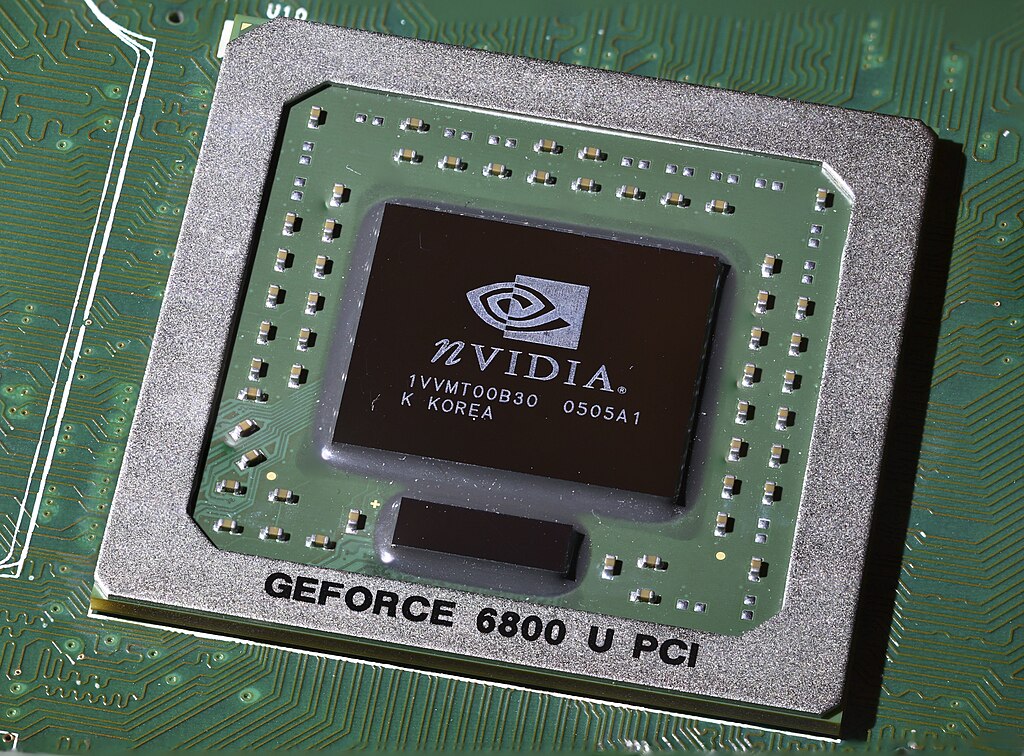
Reports earlier this week suggested that Nvidia (NASDAQ: NVDA) had agreed to acquire AI chip startup Groq in a $20 billion all-cash transaction. However, updated details clarify that the arrangement is not a traditional acquisition but a strategic, non-exclusive inference technology licensing agreement aimed at accelerating artificial intelligence inference at global scale.
Groq, a designer of high-performance AI accelerator chips founded by former Google TPU engineers, confirmed that Nvidia will license its inference technology rather than purchase the company outright. The agreement focuses on expanding access to fast, predictable, and cost-efficient AI inference, an area gaining importance as AI workloads shift from training to deployment. Groq will continue to operate as an independent company, with Simon Edwards appointed as chief executive officer.
As part of the deal, Groq founder Jonathan Ross, President Sunny Madra, and other key team members will join Nvidia to help scale and advance the licensed technology. Importantly, the agreement does not grant Nvidia exclusive rights to Groq’s technology, nor does it involve the acquisition of Groq’s intellectual property. Nvidia has not yet officially commented on the partnership, while its shares rose modestly in premarket trading following the news.
Groq recently raised $750 million at a valuation of approximately $6.9 billion, making the reported $20 billion figure notable even for a licensing arrangement. Wall Street analysts have weighed in on the strategic implications. Bank of America analyst Vivek Arya said the deal reflects Nvidia’s recognition that while GPUs dominate AI training, inference workloads may increasingly benefit from specialized chips. Groq’s Language Processing Units, or LPUs, are designed for highly predictable and ultra-fast inference using large amounts of on-chip SRAM, contrasting with Nvidia’s general-purpose GPUs that rely on high-bandwidth memory for scalability.
Analysts suggest future Nvidia systems could integrate GPUs and LPUs within the same rack, potentially connected by NVLink. Others noted that while the price appears high for a non-exclusive license, it is relatively small compared with Nvidia’s massive cash position, free cash flow, and multi-trillion-dollar market capitalization. Overall, the deal is viewed as a strategic move to strengthen Nvidia’s position in the rapidly evolving AI inference market.







