


 Gold Prices Ease as Markets Await Key U.S. Inflation Data and Fed Rate Outlook
  Switzerland Population Cap Referendum Sparks Economic and Immigration Debate
  US-Iran Gulf Clash Raises Oil Market and Defense Stock Concerns
  Gold Prices Hit 11-Week Low as Strong U.S. Jobs Data Dampens Rate Cut Hopes
  Wall Street Rebounds as Chip Stocks Rally and Iran-Israel Tensions Ease
  US Stocks Rebound as Iran Eases Military Operations; Tech Shares Lead Wall Street Recovery
  Vietnam Prioritizes Fiscal Stimulus as Monetary Policy Space Narrows
  US Stock Market Tumbles as Tech and Semiconductor Stocks Lead Massive Selloff
  Goldman Sachs Sees U.S. Dollar Holding Firm as Strong Economic Data Supports Outlook
  Asian Stocks Sink as AI Rally Cools and Middle East Tensions Rattle Markets
  Canada-Indonesia Trade Pact Gains Momentum as Carney and Prabowo Discuss Economic Cooperation
  US Weighs Using Frozen Iranian Assets to Rebuild Gulf Infrastructure After Regional Attacks
  Japan Q1 2026 GDP Growth Revised Lower as Weak Investment and Middle East War Pressure Economy
  Oil Prices Surge as Iran-Israel Tensions Escalate, Raising Supply Concerns
  China’s Cross-Border E-Commerce Faces Rising Costs and Slower Growth in 2026


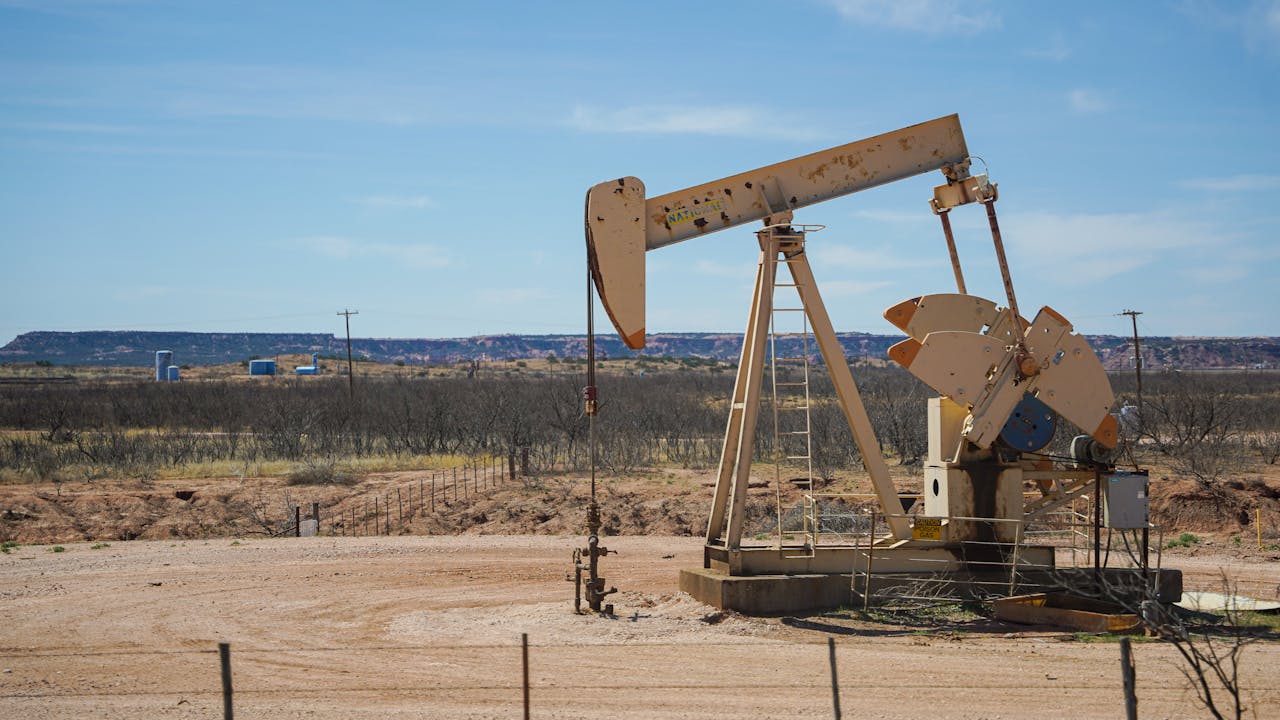
Global oil prices remained higher on Monday, although they gave back part of their earlier gains after Iran and Israel announced a halt to military operations following diplomatic efforts led by U.S. President Donald Trump. The temporary easing of geopolitical tensions helped calm energy markets after a weekend marked by renewed conflict between the two regional rivals.
Brent crude futures for August delivery rose 1.2% to $94.18 per barrel, while U.S. West Texas Intermediate (WTI) crude futures for July gained 0.6% to $91.12 per barrel. Oil prices had surged earlier as investors reacted to fresh military exchanges between Iran and Israel, raising concerns about global oil supply and Middle East stability.
Israel reported strikes on military targets in western and central Iran, including a petrochemical facility near Mahshahr. The attacks followed multiple Iranian missile launches aimed at Israeli positions, escalating fears of a broader regional conflict. President Trump publicly called on both nations to stop hostilities, stating that negotiations for peace were progressing and urging an immediate ceasefire.
Market sentiment improved after Iranian state media announced the conclusion of military operations against Israel. Israeli Prime Minister Benjamin Netanyahu also confirmed that Israel would suspend attacks for the time being, while warning of a strong response to any future aggression.
Despite the ceasefire efforts, concerns over energy supplies remain elevated. The Strait of Hormuz, a critical route for roughly one-fifth of global oil and gas shipments, remains largely closed due to regional tensions. The disruption has significantly impacted exports from Gulf producers and contributed to higher crude oil prices worldwide.
Meanwhile, OPEC+ agreed to increase July oil production quotas by 188,000 barrels per day as part of its gradual rollback of voluntary output cuts. However, ongoing shipping restrictions in the Gulf may limit the effectiveness of the additional supply.
Investors are also closely watching upcoming U.S. inflation data, including consumer and producer price reports, for insights into the economic impact of rising energy costs. Strong U.S. employment data released recently has increased expectations that the Federal Reserve could consider further interest rate hikes if inflationary pressures persist.







