


 Australian Business Conditions Hold Steady as Easing Cost Pressures Face New Oil Price Risks
  Fed Reaffirms 2% Inflation Goal, Vows Forceful Action to Anchor Price Expectations
  South Korea’s KOSPI Enters Bear Market Despite Remaining 2026’s Best-Performing Major Stock Index
  Trump, Canada Reach Gordie Howe Bridge Deal Ahead of July 27 Opening
  Dollar Eases as Middle East Conflict, Fed Outlook and Japan Pension Policy Drive FX Markets
  Asia Stocks Slip as Iran-Hormuz Tensions Lift Oil Prices, Dollar and Bond Yields
  Singapore GDP Grows 5.7% in Q2 2026 as AI-Driven Manufacturing Boosts Economy
  South Korea’s KOSPI Triggers Trading Curb as AI Chip Stock Selloff Deepens
  Deutsche Bank Sees Global Capital Shifts Reshaping Long-Term U.S. Dollar Outlook
  Australia Consumer Sentiment Rises in July as Fuel Price Relief Lifts Confidence
  EU Weighs New Trade Restrictions on Israeli West Bank Settlements
  Asian Currencies Weaken as Stronger Dollar Weighs, Yen Supported by GPIF Repatriation Hopes
  BOJ May Raise Japan Growth Forecast While Keeping Focus on Inflation Risks
  South Korea Central Bank Set to Raise Interest Rates as Inflation Stays Elevated
  European Stocks Slip as Middle East Tensions and Hormuz Threat Rattle Markets
  China Trade Surplus Hits $125.6 Billion as June Exports, Imports Smash Forecasts


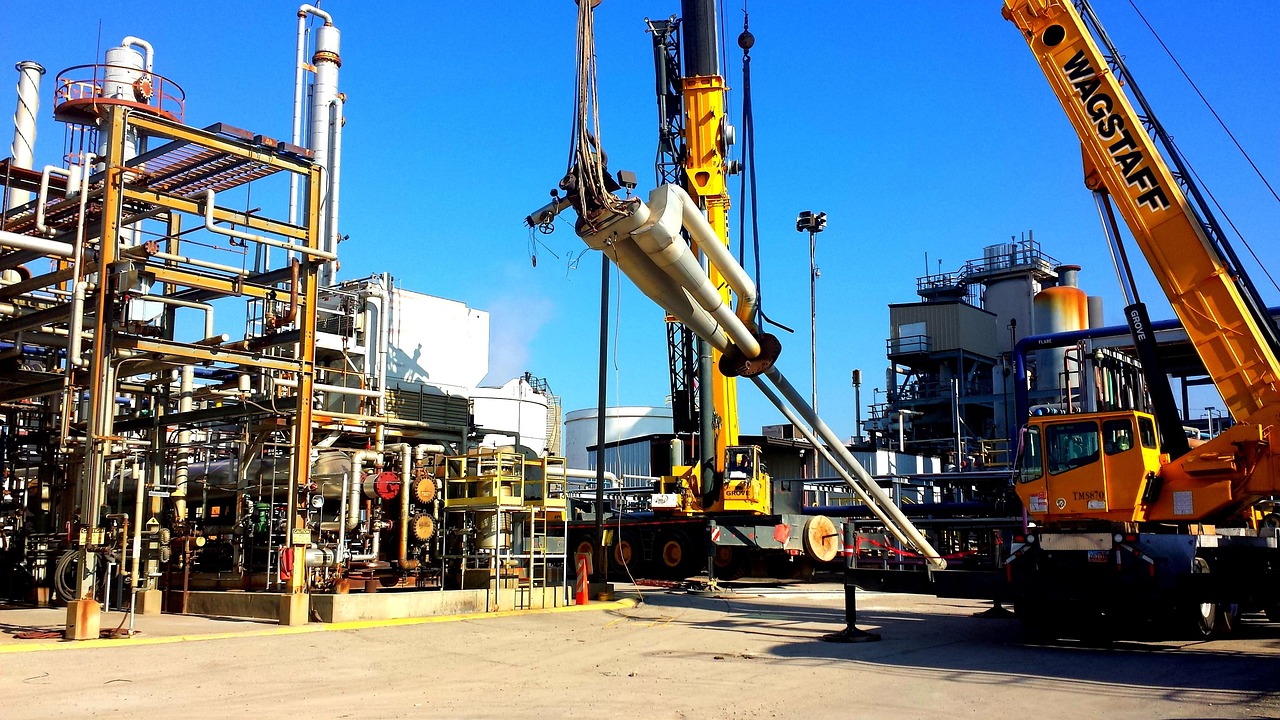
Oil prices extended their strong rally in Asian trading on Tuesday after recording their biggest one-day gains in months, as escalating tensions between the United States and Iran heightened concerns over global crude supply and shipping through the Strait of Hormuz.
Brent crude futures for September delivery climbed 2.1% to $85.01 per barrel, while U.S. West Texas Intermediate (WTI) crude futures also rose 2.1% to $79.78 per barrel. Both benchmarks had surged nearly 10% in the previous session, reaching one-month highs as geopolitical risks intensified.
The latest gains came after U.S. President Donald Trump announced the reinstatement of a naval blockade on Iran following renewed military exchanges between Washington and Tehran. Trump also said the United States would impose a 20% charge on cargo passing through the Strait of Hormuz to help cover maritime security costs.
The U.S. military said enforcement of the blockade would begin on Tuesday, targeting vessels linked to Iran while allowing neutral commercial ships to continue using the strategic waterway.
Meanwhile, Iran launched drone attacks on U.S. assets in Kuwait and fired cruise missiles at a vessel in the Strait of Hormuz. The United Arab Emirates also reported attacks on two of its oil tankers in Omani waters, adding to fears that the conflict could spread across the region.
The Strait of Hormuz remains one of the world's most critical energy routes, carrying roughly 20% of global oil consumption. Any disruption to shipping through the corridor could significantly tighten global crude supplies and fuel further volatility in energy markets.
The renewed hostilities follow a weekend of missile and drone exchanges between U.S. and Iranian forces, effectively ending a fragile agreement reached last month to ease tensions around the vital shipping lane. Tehran has warned that continued U.S. military operations could lead to additional strikes on regional energy infrastructure.
The sharp rise in crude prices also weighed on broader financial markets, increasing inflation concerns and prompting investors to reassess the outlook for global economic growth and future central bank policy as higher energy costs threaten to keep price pressures elevated.







