


 Apple Turns 50: From Garage Startup to AI Crossroads
  Reflection AI Eyes $25 Billion Valuation in Massive $2.5 Billion Funding Round
  Trump Administration Plans 100% Tariffs on Pharmaceutical Imports
  Novartis to Acquire Biotech Firm Excellergy in $2 Billion Deal
  KPMG UK Cuts 440 Audit Jobs Amid Low Attrition and Cooling Professional Services Demand
  Nomura Upgrades PDD Holdings to Buy, Calls Stock Too Cheap to Ignore
  Makemation: a Nollywood movie that shows AI in action in Africa
  NASA Artemis II: First Crewed Moon Mission Since Apollo Takes Four Astronauts on 10-Day Lunar Journey
  Eli Lilly and Insilico Medicine Forge $2.75 Billion AI-Driven Drug Discovery Deal
  Canada's Economy Grows Modestly in January 2025, Driven by Energy and Construction
  Trump's Claim That the U.S. Can Cover Global Jet Fuel Shortfall Doesn't Add Up
  SK Hynix Eyes Up to $14 Billion U.S. IPO to Fund AI Chip Expansion
  Trump's Iran War Speech Sparks Market Anxiety Over Extended Conflict
  Nike Beats Q3 Estimates but China Weakness and Margin Pressure Weigh on Outlook
  Brazil Meat Exports Weather Iran War Disruptions With Rerouted Shipments
  Luxury Car Sales in the Middle East Take a Hit Amid Iran War
  Rubio Directs U.S. Diplomats to Use X and Military Psyops to Counter Foreign Propaganda


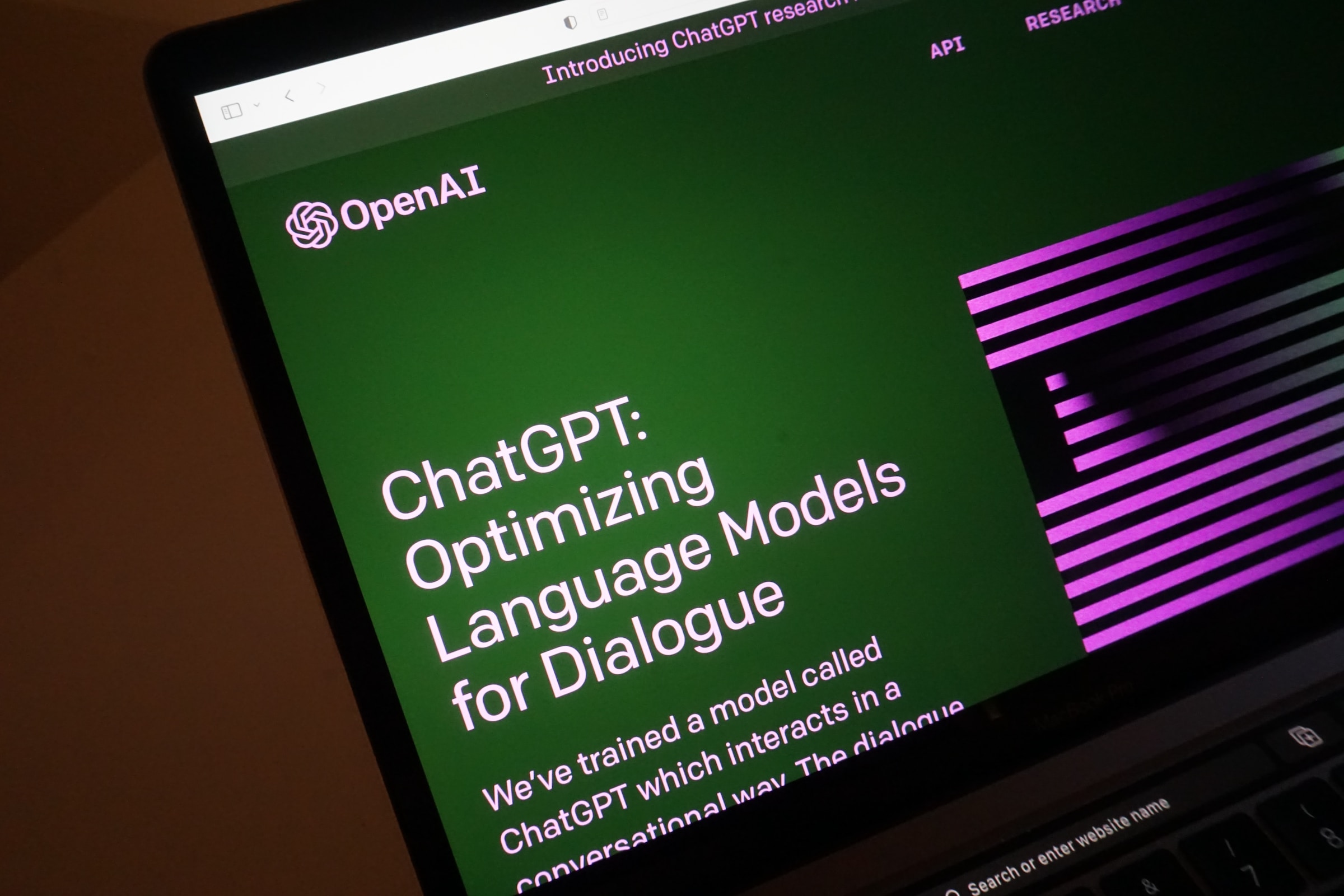
OpenAI announces a groundbreaking ChatGPT update, introducing voice comprehension, audible responses, and image processing. This significant enhancement redefines AI communication, elevating the user experience.
One of the key highlights of the update is the ability for users to engage in voice conversations with ChatGPT through the mobile app. Moreover, users can choose from five different synthetic voices to personalize their experience. Additionally, this update empowers users to share images with ChatGPT for analysis and focus highlighting.
These features will roll out for paying users over the next two weeks, with voice functionality limited to iOS and Android devices. Image processing capabilities will be available on all platforms.
Major players like Microsoft, Google, and Anthropic are locked in an AI arms race, vying to incorporate generative AI technology into consumers' daily lives. Google recently announced a series of updates to its Bard chatbot, while Microsoft integrated visual search capabilities into Bing.
OpenAI has garnered substantial support from its partners, most notably Microsoft, which invested an additional $10 billion into the company earlier this year. This sizable investment made it the biggest AI funding of the year. OpenAI's valuation stands between $27 billion and $29 billion, following a reported $300 million share sale in April. This funding round attracted prominent investors such as Sequoia Capital and Andreessen Horowitz.
Despite the exciting advancements, concerns about the emergence of AI-generated synthetic voices have been raised. While such voices provide a more natural interaction, they also raise the risk of deepfakes. Researchers and cyber threat actors have begun exploring how deepfakes can disrupt cybersecurity systems.
OpenAI has addressed these concerns in its announcement, emphasizing that synthetic voices were created in collaboration with voice actors rather than sourced from unidentified individuals. However, the release did not provide significant information regarding how OpenAI uses consumer voice inputs or safeguards user data.
OpenAI asserts that they do not retain audio clips and that these clips do not contribute to model improvements. However, the company acknowledges that transcriptions are considered inputs and may contribute to enhancing their large-language models.
Photo: Rolf van Root/Unsplash







