


 Prudential Financial Reports Higher Q4 Profit on Strong Underwriting and Investment Gains
  Global PC Makers Eye Chinese Memory Chip Suppliers Amid Ongoing Supply Crunch
  Fed Governor Lisa Cook Warns Inflation Risks Remain as Rates Stay Steady
  Nvidia, ByteDance, and the U.S.-China AI Chip Standoff Over H200 Exports
  Trump’s Inflation Claims Clash With Voters’ Cost-of-Living Reality
  Trump Lifts 25% Tariff on Indian Goods in Strategic U.S.–India Trade and Energy Deal
  NASA Partners with Katalyst to Save Swift Observatory with Innovative Docking Mission
  Blue Origin’s New Glenn Achieves Breakthrough Success With First NASA Mission
  Trump Signs Executive Order Threatening 25% Tariffs on Countries Trading With Iran
  Instagram Outage Disrupts Thousands of U.S. Users
  Nvidia CEO Jensen Huang Says AI Investment Boom Is Just Beginning as NVDA Shares Surge
  TrumpRx Website Launches to Offer Discounted Prescription Drugs for Cash-Paying Americans
  Alphabet’s Massive AI Spending Surge Signals Confidence in Google’s Growth Engine
  Neuralink Plans High-Volume Brain Implant Production and Fully Automated Surgery by 2026
  SpaceX Starship Explodes in Texas During Test, Citing Nitrogen Tank Failure
  Trump and Merck KGaA Partner to Slash IVF Drug Costs and Expand Fertility Coverage


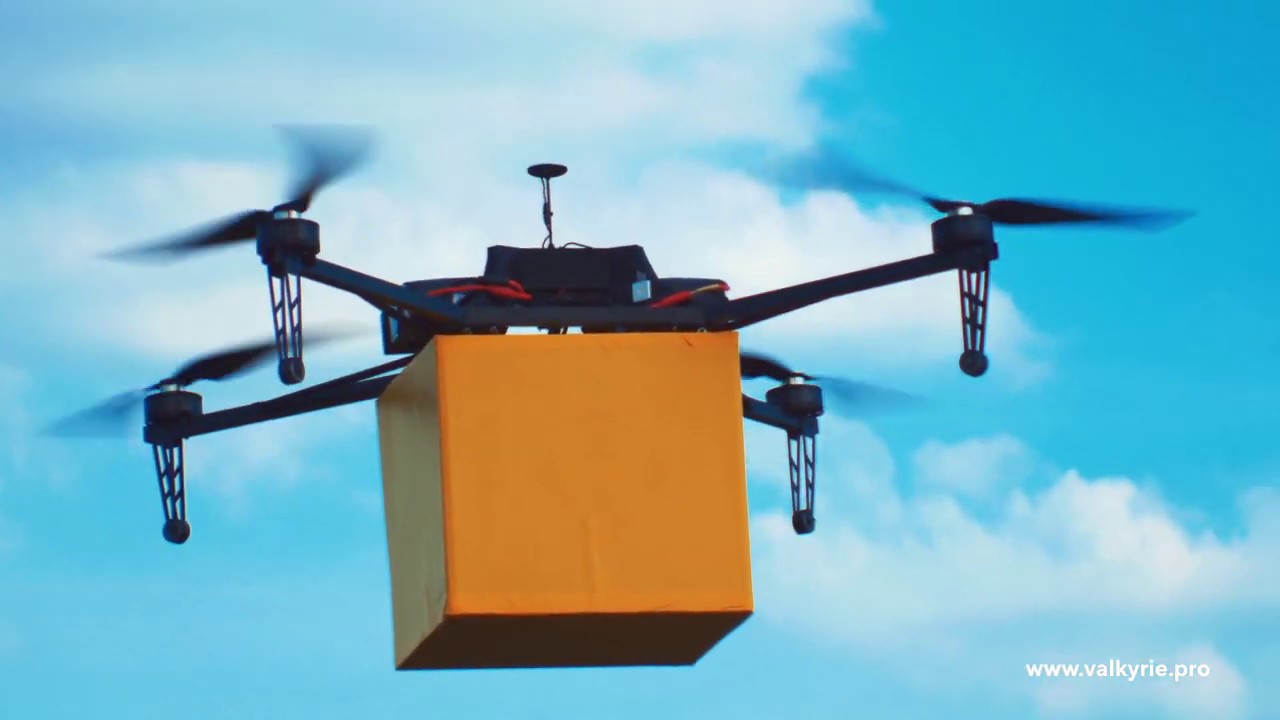
The Korea Institute of Machinery and Materials has developed a 5-kilowatt hydrogen fuel engine that is strong enough to power industrial lift drones with a weight of 20 to 30 kilograms.
The engine supplies hydrogen fuel through the direct spray method while optimizing engine parameters, such as spray and ignition.
It has a maximum output of more than 7 kilowatts.
Batteries currently power unmanned mobility devices.
Researchers are also trying to develop gasoline engine hybrids or hydrogen fuel cell systems to extend flight time.
Hydrogen engines are also free from carbon emissions.













