


 OpenAI, Anthropic Back Mandatory AI Breach Reporting in Australia
  UK Sanctions Crypto Exchanges Linked to Russia
  EU Gives Crypto Platforms Three Months to Remove USDT Under MiCA Rules
  Crypto Rallies as CLARITY Act Failure Opens Door to Faster SEC Rules
  New York Declares Measles Disaster Emergency as Cases Surge
  US Treasury Drops Crypto Wallet Tracking Plan
  France to Release 10 Million Barrels of Diesel to Ease Fuel Prices
  Florida Seeks Tougher Meta Rules to Protect Young Users
  Russia Targets Danish Ukraine Suppliers in Sabotage Campaign
  US Grants Aurora Five-Year Exemption for Self-Driving Trucks
  San Francisco Halts New Data Center Construction With 45-Day Moratorium
  US-Taiwan Ties Remain Strong as Taipei Urges Timely Arms Deliveries
  Mexico Bars Dual Citizens From Presidential Races Starting in 2028
  Circle Urges EU to Revise MiCA Stablecoin Rules
  UK Warned Over Growing Reliance on US Cloud Providers
  Israel Tightens Pilot Security After Flydubai Incident
  US Suspends Microsoft, Adobe From Green Card Program


 Add as a preferred source on Google
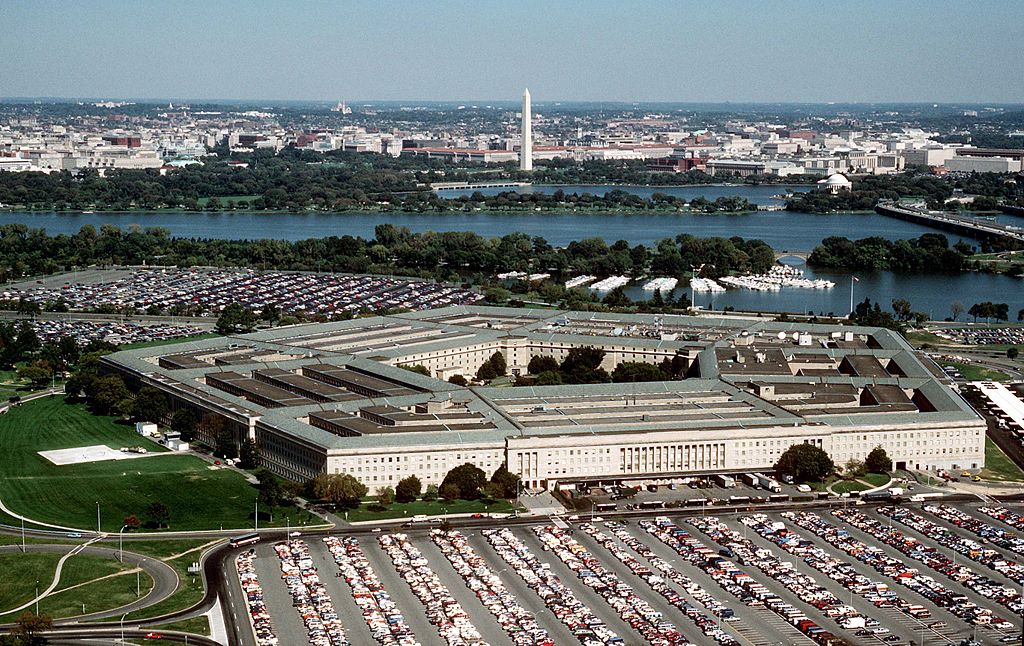
The Pentagon has implemented new restrictions limiting journalist access within its headquarters, marking a significant shift in media policy under President Donald Trump’s renewed administration. Defense Secretary Pete Hegseth announced on Friday that credentialed reporters will now need official escorts to enter most areas of the Department of Defense building in Arlington, Virginia.
The directive, effective immediately, cites the need to safeguard classified national intelligence (CSNI) and operational security. “Unauthorized disclosure of sensitive information could endanger U.S. service members,” Hegseth stated in a memo. Reporters will now require both official approval and an escort to access previously unrestricted areas.
The Pentagon Press Association criticized the move, calling it a “direct attack on press freedom,” and noted that previous administrations—both Republican and Democrat—allowed broader media access even in times of crisis, including after the 9/11 attacks.
Pentagon spokesperson Sean Parnell defended the decision, emphasizing the protection of sensitive data and personnel. In addition to access restrictions, Hegseth’s memo announced that journalists will be issued new credentials identifying them more visibly as press members. Reporters must also formally acknowledge their responsibility to safeguard sensitive information.
Since Trump's return to office in January, the administration has intensified efforts to prevent leaks, including launching internal investigations and placing several officials on administrative leave. A controversial office rotation has also forced major outlets like CNN, NBC News, and The New York Times out of Pentagon offices, making space for conservative-leaning media such as Breitbart and One America News.
The White House has also authorized polygraph testing for Homeland Security officials, warning of possible termination for those refusing tests. The Trump administration continues to underscore its zero-tolerance stance on unauthorized disclosures to the media.







