


 Missouri Judge Dismisses Lawsuit Challenging Starbucks’ Diversity and Inclusion Policies
  Iran–U.S. Nuclear Talks in Oman Face Major Hurdles Amid Rising Regional Tensions
  Trump Lifts 25% Tariff on Indian Goods in Strategic U.S.–India Trade and Energy Deal
  Netanyahu to Meet Trump in Washington as Iran Nuclear Talks Intensify
  Trump Signs Executive Order Threatening 25% Tariffs on Countries Trading With Iran
  Trump Says “Very Good Talks” Underway on Russia-Ukraine War as Peace Efforts Continue
  Trump Endorses Japan’s Sanae Takaichi Ahead of Crucial Election Amid Market and China Tensions
  Trump Signs “America First Arms Transfer Strategy” to Prioritize U.S. Weapons Sales
  China Warns US Arms Sales to Taiwan Could Disrupt Trump’s Planned Visit
  Jack Lang Resigns as Head of Arab World Institute Amid Epstein Controversy
  U.S. to Begin Paying UN Dues as Financial Crisis Spurs Push for Reforms
  Federal Judge Restores Funding for Gateway Rail Tunnel Project
  U.S.-India Trade Framework Signals Major Shift in Tariffs, Energy, and Supply Chains
  India–U.S. Interim Trade Pact Cuts Auto Tariffs but Leaves Tesla Out
  Trump Backs Nexstar–Tegna Merger Amid Shifting U.S. Media Landscape
  Nighttime Shelling Causes Serious Damage in Russia’s Belgorod Region Near Ukraine Border
  Norway Opens Corruption Probe Into Former PM and Nobel Committee Chair Thorbjoern Jagland Over Epstein Links


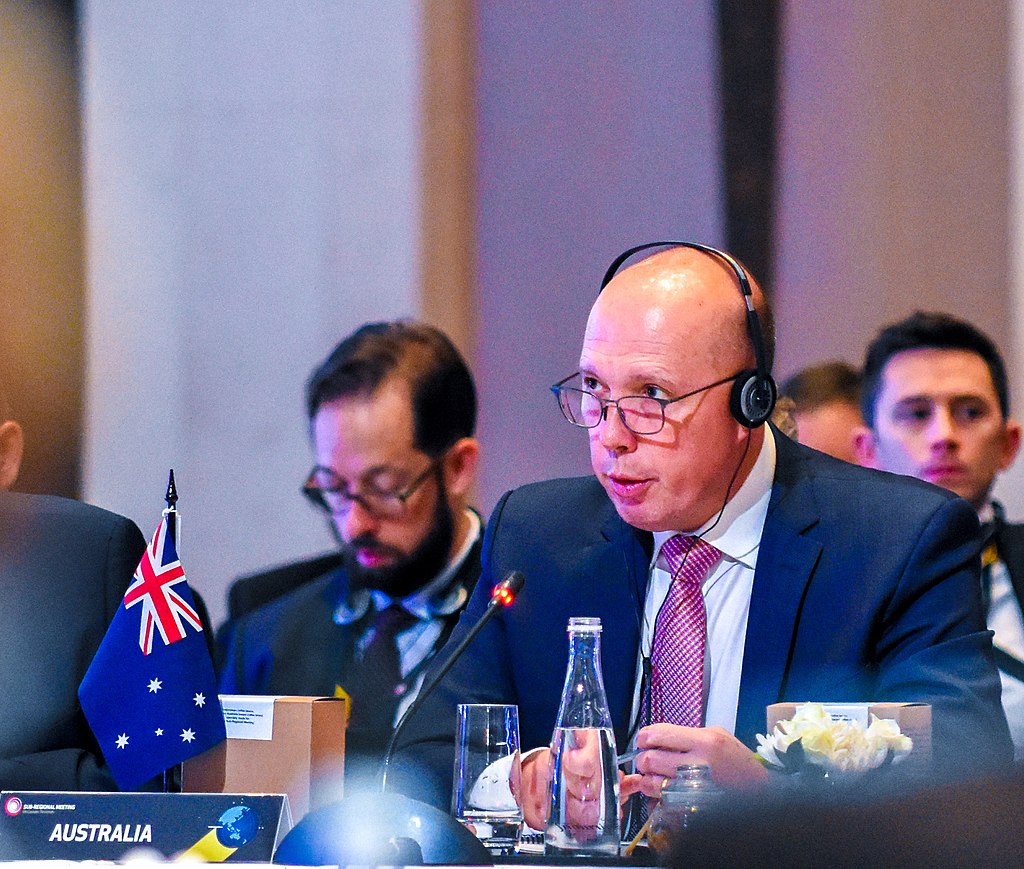
Peter Dutton, a former police officer and defence minister, is positioning himself as a strong contender in Australia’s upcoming May 3 national election. Known for his tough stance on crime, border security, and immigration, the 54-year-old leader of the Liberal Party is resonating with suburban and middle-class voters frustrated by rising living costs.
Dutton, who served in the coalition government that signed the AUKUS nuclear submarine pact with the U.S. and U.K. in 2021, has consistently pushed for strong national security policies. A longtime advocate of small business and conservative values, he entered politics in 2001 after working in law enforcement and helping run his family's construction business.
His campaign highlights include cutting immigration to address the housing crisis, slashing 36,000 government jobs, and opposing Labor’s renewable-only energy agenda by backing nuclear power—leveraging Australia’s vast uranium reserves. Dutton has also gained support for his past decisions to cancel visas of migrants with criminal records.
Polls show growing support for Dutton's coalition, driven by public concern over high mortgage rates, soaring grocery prices, and inflation. By February, the coalition led Labor 52% to 48% in one poll, with another showing a 50-50 tie in March.
Dutton, who lives with his family near Brisbane, has rejected comparisons to Donald Trump, aligning instead with former Prime Minister John Howard’s brand of conservatism. Despite criticism, Dutton remains focused on national security, citing threats like China's naval drills. He previously backed Ukraine by sending military aid and called President Zelenskiy a “modern-day hero.”
As Australia’s political landscape shifts, Dutton’s tough-but-pragmatic leadership style may prove decisive in the battle for the nation’s top job.













