


 BOJ Set for 25-Basis-Point Rate Hike as Yen Weakness Fuels Inflation
  China Cuts Tariffs on U.S. Farm Goods but Excludes Soybeans
  Fed Rate Hike Threatens Housing as U.S. Growth Leans on AI, Citi Says
  BlackRock’s Rick Rieder Favors Bonds Over Stocks as Treasury Yields Surge
  China Industrial Profit Growth Slows as Weak Demand Offsets AI Gains
  Asian Stocks Fall as Bond Yields and Oil Prices Surge
  Japan Warns Markets Over Yen Weakness
  Hong Kong Home Prices Stabilize in August After July Decline
  XRP Price Targets $1.70 as Bullish Momentum Builds
  Fed’s Hammack Says Bond Yield Surge Is Not Driven by Inflation Fears
  Yen Sinks as BOJ Rate Hike Fails to Impress Markets
  Asian Currencies Weaken as Dollar, Oil Prices Rise
  ECB May Stop Rate Hikes After December, Capital Economics Says


 Add as a preferred source on Google
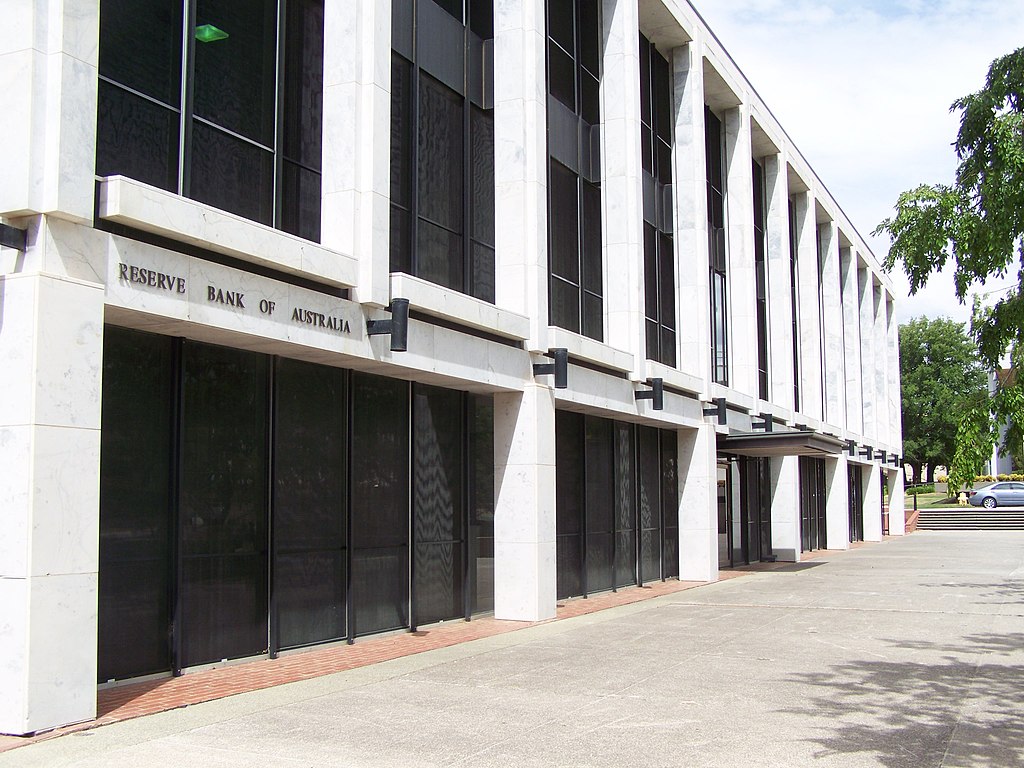
The Reserve Bank of Australia raised interest rates by 25 basis points on Tuesday, taking borrowing costs to their highest level in nearly 15 years as policymakers respond to persistent inflation and rising energy prices.
The RBA increased its cash rate target to 4.60%, the highest since October 2011. The decision was unanimous, with members of the rate-setting board pointing to increasingly persistent inflation pressures across the Australian economy.
The move marked the central bank’s fourth rate hike of 2026 after it began a new monetary tightening cycle earlier this year. Markets had widely anticipated the increase following hawkish comments from RBA officials and recent inflation readings that remained above the bank’s 2% to 3% annual target range.
In its policy statement, the RBA said it would continue taking necessary steps to return inflation sustainably to target, including raising the cash rate further if required.
Policymakers said some upside inflation risks identified in August were now materializing. Higher global energy prices stemming from the prolonged Middle East conflict have added to price pressures, while growing technology demand linked to artificial intelligence has also contributed to inflation.
Domestic capacity constraints remain another concern. The RBA has previously indicated that demand may need to weaken to ease inflation, potentially resulting in slower economic growth and softer employment conditions.
Capital Economics analysts said they still believe the cash rate has reached its peak but acknowledged that risks to that outlook are increasing. They highlighted the RBA’s decision to remove its previous description of monetary policy as “somewhat restrictive,” potentially signaling greater uncertainty over whether current rates are sufficient to contain inflation.
Australian markets showed a relatively muted reaction to the decision. The Australian dollar strengthened slightly following the announcement, with AUD/USD gaining about 0.06%, while the benchmark ASX 200 slipped around 0.1%.
Investors will now closely watch upcoming Australian inflation, employment and economic growth data for indications of whether the RBA could deliver another interest rate hike.







