


 Gold Slides Below $4,300 as Oil Surge Fuels Fed Rate Hike Bets
  China Agrees to Buy 20 Million Tons of U.S. Coal
  Germany’s 2026 Growth Outlook Strengthens on Fiscal Spending
  Trump to Ease U.S. Fuel-Economy Standards
  ECB May Stop Rate Hikes After December, Capital Economics Says
  XRP Price Targets $1.70 as Bullish Momentum Builds
  Oil Surge Pressures Global Stocks as U.S.-Iran Truce Hopes Fade
  Fed’s Hammack Says Bond Yield Surge Is Not Driven by Inflation Fears
  Europe’s AI Data Centre Boom Strengthens Case for Nuclear Power
  US Comfortable With Canada Trade Standoff as Import Bans Loom
  China Cuts Tariffs on U.S. Farm Goods but Excludes Soybeans
  RBA Set for September Rate Hike as Inflation Stays High
  South Korea Tax Windfall Could Top 50 Trillion Won on Chip Boom
  Asian Chip Stocks Tumble as OpenAI Safety Pause Sparks AI Growth Concerns
  Asian Currencies Weaken as Dollar, Oil Prices Rise
  Hong Kong Home Prices Stabilize in August After July Decline


 Add as a preferred source on Google
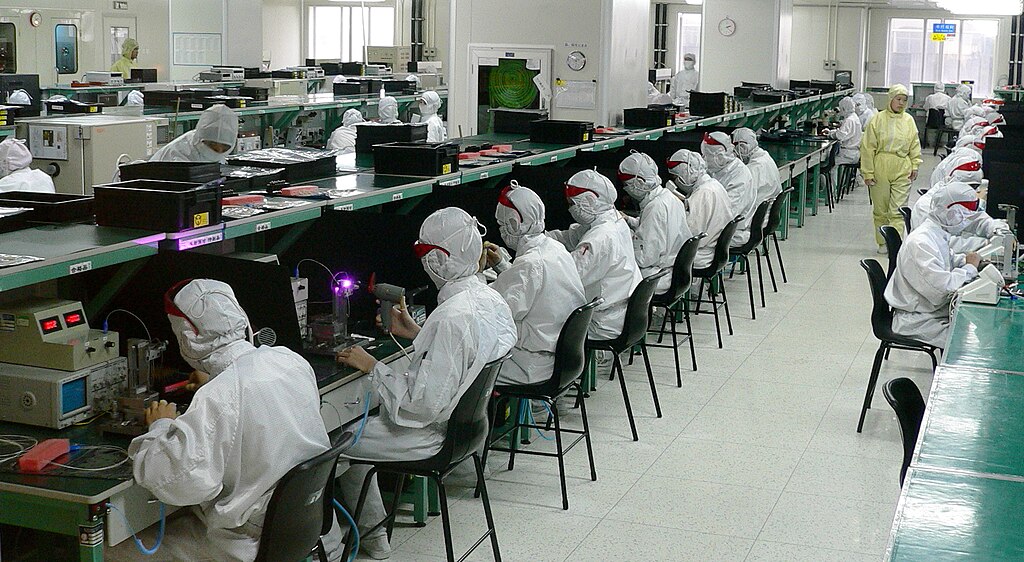
China’s industrial profit growth lost momentum in August as persistent weakness in domestic demand outweighed strong gains in technology manufacturing driven by the artificial intelligence boom.
Profits at major Chinese industrial companies rose 4.2% from a year earlier in August, slowing sharply from an 11.2% increase in July, according to data released Monday by the National Bureau of Statistics (NBS).
For the first eight months of the year, industrial profits climbed 15.7%, easing from 17.6% growth recorded during the January-July period.
China’s manufacturing sector continues to face pressure from subdued consumer spending and excess production capacity in some industries. Weak demand has made it increasingly difficult for companies to maintain pricing power, prompting factories to rely more heavily on overseas markets to support profitability.
That dependence on exports could create additional challenges as China faces geopolitical tensions and increased international scrutiny over its large trade surplus.
Technology manufacturing remained a major bright spot. Profits in computer, communication and other electronic equipment manufacturing surged 110% during the first eight months, reflecting strong demand linked to AI and advanced technology investment.
Other consumer-focused industries performed considerably worse. Profits in wine, beverage and refined tea manufacturing dropped 34.7% over the same period, highlighting continued weakness in domestic consumption.
“Going forward, boosting household income and consumption and expanding domestic demand will be crucial to sustaining steady growth in industrial enterprise profits,” said Ding Meng, chief economist at China CITIC Bank International.
Concerns about the imbalance between China’s strong manufacturing capacity and weak domestic demand have also intensified as AI investment accelerates. A Chinese central bank adviser recently warned that artificial intelligence could deepen the gap between robust supply and subdued demand, strengthening calls for policies aimed at supporting household spending and improving balance sheets across the economy.
Meanwhile, China and the United States agreed last week to reduce tariffs on $30 billion of goods and establish dialogue on AI risks and benefits during President Xi Jinping’s visit to Washington, although broader bilateral tensions remain.
China’s industrial profit data covers companies with annual revenue of at least 20 million yuan ($2.98 million) from their main operations.







