


 Nighttime Shelling Causes Serious Damage in Russia’s Belgorod Region Near Ukraine Border
  Federal Judge Restores Funding for Gateway Rail Tunnel Project
  Iran–U.S. Nuclear Talks in Oman Face Major Hurdles Amid Rising Regional Tensions
  Japan Election 2026: Sanae Takaichi Poised for Landslide Win Despite Record Snowfall
  Trump Signs “America First Arms Transfer Strategy” to Prioritize U.S. Weapons Sales
  Trump Says “Very Good Talks” Underway on Russia-Ukraine War as Peace Efforts Continue
  Trump Lifts 25% Tariff on Indian Goods in Strategic U.S.–India Trade and Energy Deal
  Trump’s Inflation Claims Clash With Voters’ Cost-of-Living Reality
  Trump Backs Nexstar–Tegna Merger Amid Shifting U.S. Media Landscape
  Ohio Man Indicted for Alleged Threat Against Vice President JD Vance, Faces Additional Federal Charges
  Trump Signs Executive Order Threatening 25% Tariffs on Countries Trading With Iran
  U.S. Lawmakers to Review Unredacted Jeffrey Epstein DOJ Files Starting Monday
  South Korea Assures U.S. on Trade Deal Commitments Amid Tariff Concerns
  Norway Opens Corruption Probe Into Former PM and Nobel Committee Chair Thorbjoern Jagland Over Epstein Links
  India–U.S. Interim Trade Pact Cuts Auto Tariffs but Leaves Tesla Out
  China Warns US Arms Sales to Taiwan Could Disrupt Trump’s Planned Visit


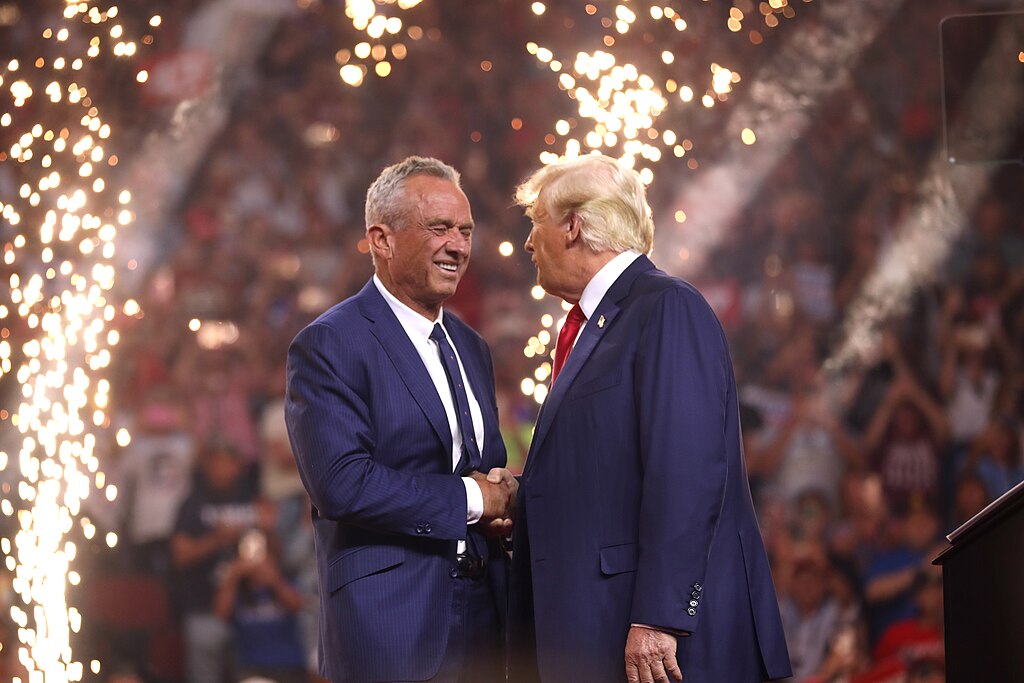
Robert F. Kennedy Jr., President Donald Trump’s nominee to lead the U.S. Department of Health and Human Services (HHS), faced intense questioning at a Senate confirmation hearing. Democratic senators accused him of spreading vaccine misinformation and promoting conspiracy theories, while Kennedy defended his stance, stating he supports vaccines and his children are vaccinated.
The nominee, an environmental lawyer with a controversial history on vaccines, emphasized his commitment to addressing rising chronic diseases. If confirmed, he would oversee over $3 trillion in healthcare spending, including Medicare and Medicaid. However, past remarks questioning vaccine safety and claims about COVID-19 and Lyme disease being bioweapons fueled concerns.
Democratic Senator Ron Wyden criticized Kennedy for embracing “conspiracy theories and quacks,” while Senator Michael Bennet accused him of misleading rhetoric. Meanwhile, Republican senators largely supported him, appreciating his focus on tackling obesity and diabetes. Senator Ron Johnson urged bipartisan cooperation on healthcare reforms.
The Senate Finance Committee will decide whether to advance Kennedy’s nomination, with a vote hinging on his responses to submitted questions. Analysts estimate a 50/50 chance of his confirmation, with vaccine stocks like Moderna and Novavax seeing sharp declines following the hearing.
Kennedy’s involvement with the anti-vaccine group Children's Health Defense, which sold merchandise with slogans like “No Vax, No Problem,” also drew criticism. He distanced himself, stating he resigned as chairman. Additionally, Caroline Kennedy publicly opposed her cousin’s nomination, calling his views dangerous.
Protesters interrupted the hearing, reflecting the nominee’s divisive reputation. While some Republicans raised concerns over Kennedy’s stance on abortion and pharmaceuticals, the GOP-controlled Senate has yet to reject a Trump nominee. If confirmed, Kennedy will shape U.S. health policy, influencing vaccine regulation and chronic disease management.













