


 Illinois Delays Crypto Tax Law Until July 2027
  Iran Refuses to Halt Uranium Enrichment Amid US Nuclear Demands
  EU Gives Crypto Platforms Three Months to Remove USDT Under MiCA Rules
  Wall Street Falls as Fed Minutes Signal Another Rate Hike
  Deere, CNH and AGCO Stocks Fall as FTC Launches Farm Equipment Probe
  Marco Rubio Warns Russia-Ukraine War Could Spark Wider Conflict
  UK Warned Over Growing Reliance on US Cloud Providers
  Russia Targets Danish Ukraine Suppliers in Sabotage Campaign
  US Conducts Non-Nuclear Explosion Test to Boost Nuclear Detection
  Trump Weighs FBI Probe Into Nolan Wells’ Death
  US, EU Push for Action Against Asia’s Excess Factory Capacity
  Saudi Airport Attacks Kill Three as Yemen Fighting Escalates
  Mexico Bars Dual Citizens From Presidential Races Starting in 2028
  Japan Real Wages Rise 1.5%, Supporting BOJ Rate Hikes
  Tsai Warns of China’s Sustained Pressure on Taiwan
  Crypto Market Selloff Wipes Out $100B as Bitcoin Falls Below $83K


 Add as a preferred source on Google
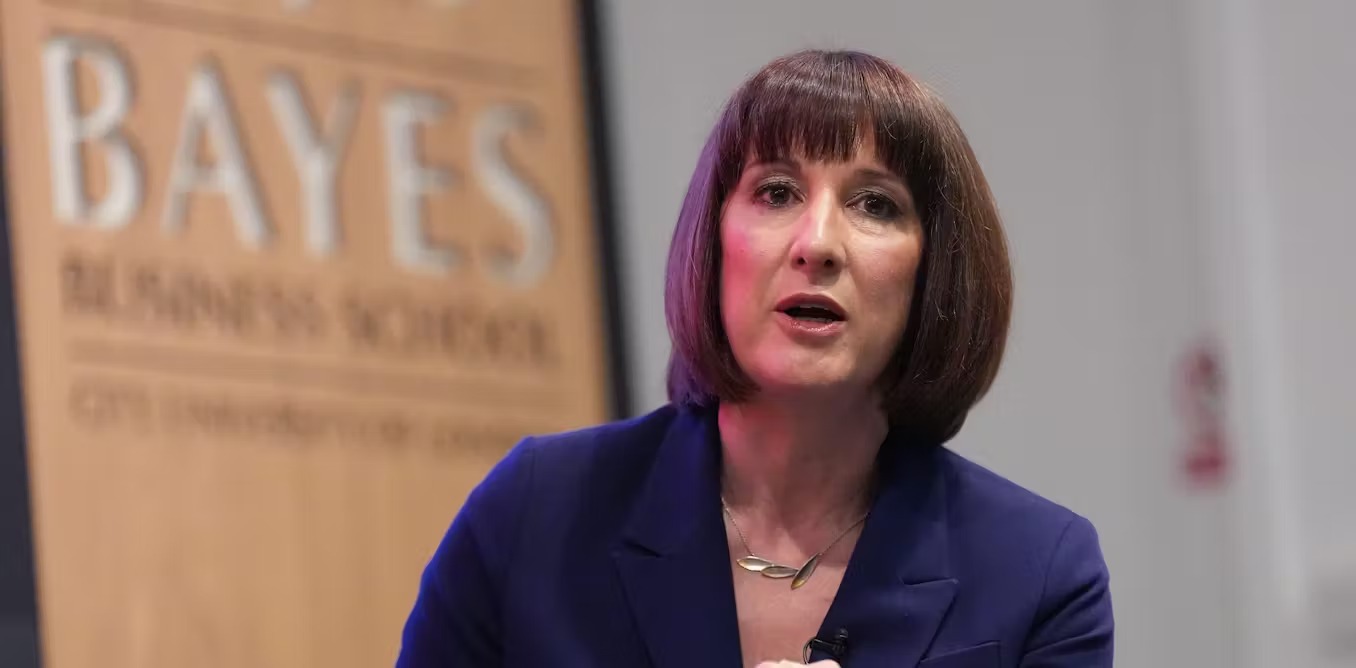
U.K. Chancellor Rachel Reeves is under increasing fiscal pressure following a major policy reversal on welfare cuts, which may wipe out her estimated £10 billion budgetary buffer. The sudden U-turn triggered a sell-off in the gilt market, fueled by investor concerns over the government’s fiscal stability. Despite speculation, the Prime Minister’s office has publicly affirmed its support for Reeves.
Bank of America analysts say Reeves' continued leadership would likely reassure financial markets that fiscal discipline will remain intact. However, BofA estimates that the combined cost of scrapping welfare cuts and changing winter fuel payments has already eroded around £6.25 billion of fiscal headroom.
Further pressure is expected as the Office for Budget Responsibility (OBR) prepares to revise its economic outlook. The OBR admitted this week that its past growth forecasts may have been too optimistic, signaling that upcoming GDP downgrades are likely. According to BofA, these could average a 10-20 basis point reduction across the forecast period, significantly impacting revenue projections and increasing the fiscal gap.
In total, BofA forecasts that headroom could shrink by as much as £20–30 billion when factoring in policy shifts and slower growth, effectively turning a modest surplus into a deficit. To stabilize the fiscal outlook, BofA believes Reeves will likely pursue fiscal consolidation—mainly through tax hikes, as deeper spending cuts are politically risky following internal pushback on welfare reforms.
This evolving situation places the Chancellor at the center of the U.K.’s economic future, as she balances investor confidence, political fallout, and the need to maintain credible fiscal policy amid growing economic headwinds.







