


 U.S. Official Alleges China Conducted Low-Yield Nuclear Test at Lop Nor in 2020
  EU Divided on Setting 2027 Timeline for Ukraine Membership Amid Ongoing War
  North Korea’s Ninth Party Congress to Spotlight New Weapons Goals and Military Modernization
  Tarique Rahman Sworn In as Bangladesh Prime Minister After BNP Election Landslide
  Ukraine Secures $8.2 Billion IMF Loan as Tax Conditions Are Eased
  Hezbollah Rejects Lebanon Disarmament Plan as Government Grants Army Four-Month Timeline
  UN Experts Condemn European Ministers Over Attacks on Francesca Albanese
  Europe Rethinks NATO as U.S. Policy Shifts Shake Transatlantic Alliance
  Trump Announces $5 Billion Gaza Reconstruction Pledge Ahead of Board of Peace Meeting
  Ukraine-Russia Peace Talks in Geneva Focus on Land Disputes and Donetsk Control
  Japan Coalition Urges BOJ Independence as Sales Tax Cut Plan Advances
  Zelenskiy Says Trump Pressuring Ukraine as Donbas Peace Talks Intensify
  BOJ Governor Ueda Meets PM Takaichi as Markets Eye Possible Rate Hike
  Anduril Industries Seeks $8 Billion Funding at $60 Billion Valuation
  Rubio Reaffirms Transatlantic Alliance at Munich Security Conference Amid Ukraine and Russia Tensions
  Trump’s Geneva Diplomacy: Iran Nuclear Talks and Russia-Ukraine War Negotiations Raise Concerns
  Zelenskiy Warns of New Russian Energy Strikes as Ukraine Peace Talks Resume in Geneva


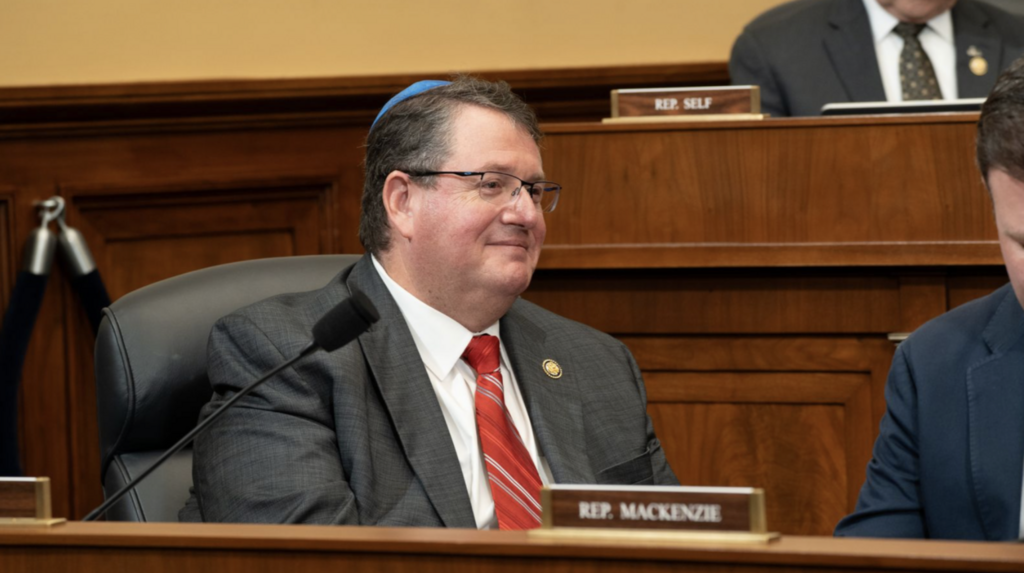
Republican U.S. Representative Randy Fine is facing widespread criticism after making anti-Muslim comments that civil rights advocates and leading Democrats have condemned as Islamophobic and dangerous. The Florida lawmaker sparked outrage on Sunday when he posted on X, formerly known as Twitter, that “the choice between dogs and Muslims is not a difficult one.” The post quickly went viral, generating more than 40 million views within two days and intensifying the political firestorm surrounding his remarks.
Fine, who has previously drawn scrutiny for controversial statements about Muslims and Palestinians, dismissed the backlash and doubled down on his comments across social media. The Council on American-Islamic Relations (CAIR) previously designated Fine as an anti-Muslim extremist, citing a pattern of inflammatory rhetoric. His past remarks reportedly include calls for the mass expulsion of Muslims from the United States, labeling Muslims as “terrorists,” and making insensitive comments about the humanitarian crisis in Gaza.
Prominent Democrats swiftly condemned Fine’s statement. California Governor Gavin Newsom publicly called for his resignation, while House Minority Leader Hakeem Jeffries described the remarks as “Islamophobic, disgusting and unrepentant.” Jeffries also urged Republican leaders, who control both chambers of Congress, to take action and hold Fine accountable. Representative Alexandria Ocasio-Cortez warned that failing to respond would normalize hate speech and discrimination.
Civil rights organizations argue that Fine’s comments reflect a broader rise in Islamophobia in the United States. Advocates point to factors such as hardline immigration policies, white supremacist rhetoric, and heightened tensions stemming from Israel’s war in Gaza as contributors to increased anti-Muslim sentiment. The controversy underscores growing concerns about political extremism, religious discrimination, and the impact of inflammatory speech on American communities.













