


 OpenAI Executive Fidji Simo to Step Down Amid Health Challenges Ahead of IPO
  Kitron Q2 Revenue Beats Estimates as Defense Demand Lifts Growth
  Stellantis Q2 Vehicle Shipments Rise 10% as North America Drives Growth
  Yaskawa Electric Shares Slide as Weak Profit Overshadows Strong AI Demand
  Samsung to Launch First Yongin Chip Plant by 2029 as South Korea Speeds Up Semiconductor Hub
  Elon Musk Says Anthropic Leads AI Race as Claude Models Challenge OpenAI
  Arm Stock Falls After HSBC Downgrade, Citing Limited Near-Term AI Upside
  UBS Starts CarTrade Tech With Buy Rating, Sees Strong Earnings Growth and ₹4,000 Target
  BHP Faces Major Port Hedland Strike as Labor Talks Stall Ahead of Production Report
  SoftBank Corp Partners With Sierra to Expand AI Customer Support Across Japan
  DBS Targets S$1 Trillion Wealth AUM by 2030 Amid Asia Wealth Boom
  Genesis Minerals to Acquire Vault in A$5.6 Billion Deal After Regis Withdraws
  DeepSeek Eyes China IPO as AI Startup Seeks $71 Billion Valuation in New Funding Round
  SK Hynix Stock Soars as AI Memory Demand Outlook Fuels Chip Rally
  Nippon Paint Reportedly Offers Up to €7.5 Billion for Akzo Nobel Decorative Paints Business
  Deutsche Bank Fined A$2 Million by ASIC Over OTC Derivatives Reporting Errors
  Mastercard Explores Sale of Majority Stake in UK Payments Firm Vocalink: Report


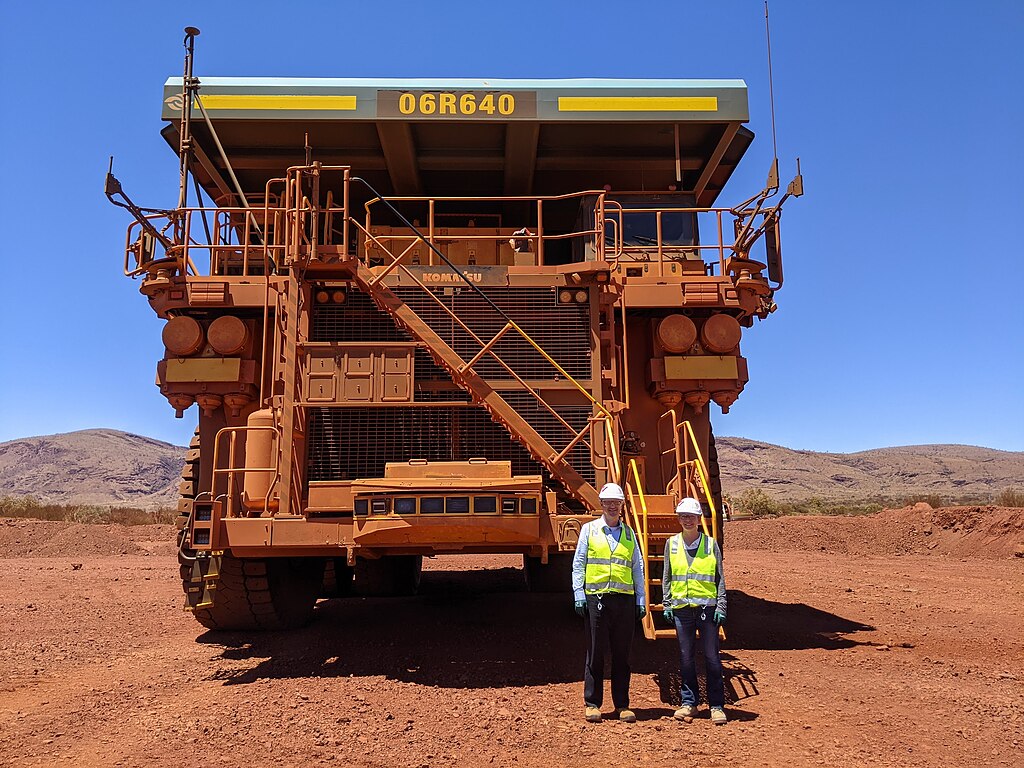
Rio Tinto (ASX: RIO) posted stronger second-quarter iron ore sales and reaffirmed its full-year production guidance, supported by solid operational performance in its Pilbara mining operations despite lower quarterly copper output.
The global mining giant reported iron ore sales of 88.8 million metric tons during the second quarter, up 5% from the same period last year. Shipments from its Pilbara operations in Western Australia rose 7% to 85.3 million tons, marking the company’s strongest quarterly sales performance since 2020.
Pilbara iron ore production remained steady at 83.5 million tons on a 100% basis compared with a year earlier. However, first-half production increased 6%, highlighting improved operating efficiency across one of Rio Tinto’s most important mining assets.
Chief Executive Simon Trott said the company achieved a 3% increase in copper equivalent production during the first half of the year. The growth was driven by record first-half Pilbara iron ore production since 2018, continued production ramp-up at the Oyu Tolgoi copper mine in Mongolia, and resilient aluminum operations despite ongoing geopolitical uncertainty.
While iron ore remained a bright spot, consolidated copper production declined 7% year over year to 213,000 metric tons in the second quarter. The decrease reflected weaker output from the Kennecott and Escondida mines. Even so, first-half copper production still edged 1% higher compared with the previous year.
Rio Tinto also lowered its 2026 copper C1 net unit cost guidance to between 30 and 50 U.S. cents per pound, down from its previous forecast of 65 to 75 cents per pound. The company attributed the improved cost outlook to stronger gold prices and continued productivity improvements across its operations.
The miner kept all major 2026 production guidance unchanged, signaling confidence in its operational outlook. Rio Tinto added that the conflict in the Middle East has had only a limited impact on its business so far, although it continues to monitor potential disruptions around the Strait of Hormuz and broader global supply chains that could affect future operations.







