


 SK Hynix Soars 13% in Nasdaq Debut After Record $26.5 Billion IPO
  Goldman AM Sees Strong Buyout Opportunities in Japan, South Korea and Australia
  Samsung Chairman Lee Jae-yong Expected to Meet Nvidia CEO Jensen Huang on AI and Chip Partnership
  Elon Musk Says Anthropic Leads AI Race as Claude Models Challenge OpenAI
  OpenAI GPT-5.6 Set for Wider Release After U.S. Commerce Approval, Report Says
  SK Hynix’s $28 Billion U.S. Share Sale Draws Massive Demand Amid AI Chip Boom
  Nippon Paint Reportedly Offers Up to €7.5 Billion for Akzo Nobel Decorative Paints Business
  Nvidia Tightens AI Chip Sales in Asia With Stricter Customer Approval Process
  TSMC Q2 Revenue Surges 36% as AI Chip Demand Powers Growth Ahead of Earnings
  Levi Strauss Raises 2026 Outlook After Q2 Earnings Beat, Shares Drop Despite Strong Results
  Morgan Stanley Says China’s Reusable Rocket Progress Poses Long-Term Challenge to SpaceX
  Apple Sues OpenAI, Former Employees Over Alleged Trade Secret Theft
  Nvidia Invests $500M in Firmus Technologies Ahead of Planned ASX IPO
  SK Hynix Shares Drop After Strong Nasdaq Debut Despite $26 Billion ADR Listing
  Samsung to Launch First Yongin Chip Plant by 2029 as South Korea Speeds Up Semiconductor Hub
  Paramount-Warner Bros. Discovery Merger Faces Lawsuit From 12 States
  Zhipu AI Raises HK$31.37 Billion in Discounted Share Sale to Accelerate AI Growth


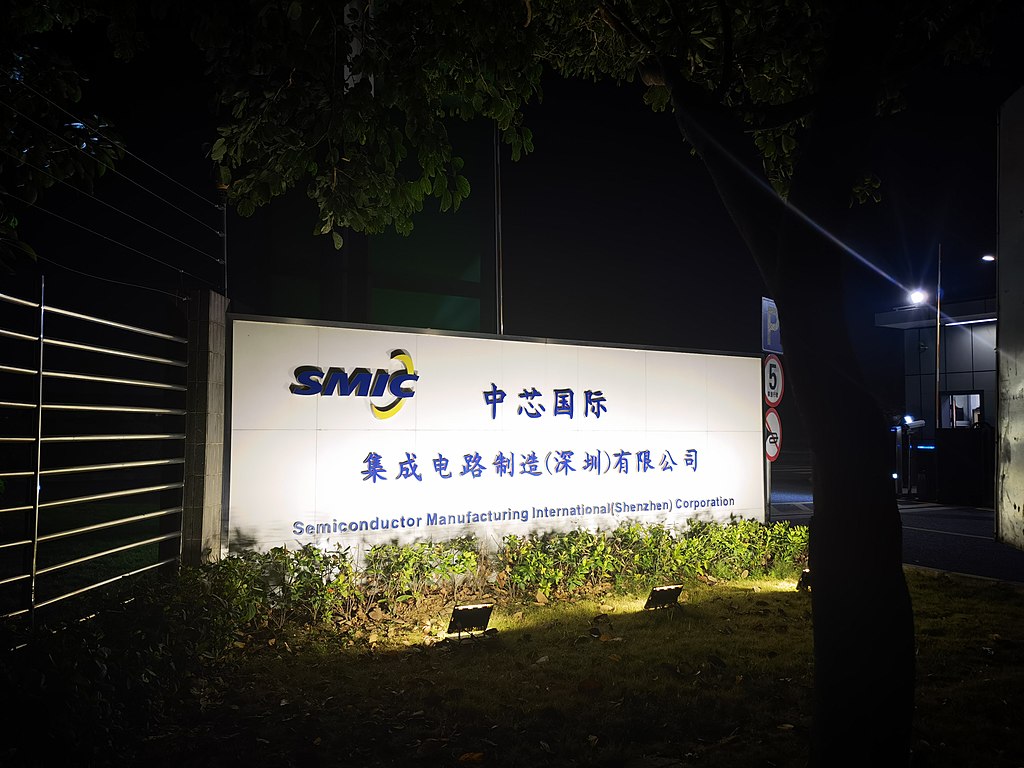
Semiconductor Manufacturing International Corporation (SMIC), China's top chip foundry, is closely watching the impact of tariffs on customer demand, according to co-CEO Zhao Haijun. Speaking during an earnings call on Friday, Zhao noted that visibility for the second quarter remains unclear, although past tariff actions have prompted a slight uptick in orders from U.S. clients.
Zhao emphasized that while U.S. import tariffs led to increased orders last quarter, the overall effect on SMIC's business was limited. The company's cautious tone comes as geopolitical tensions and trade restrictions continue to cloud the global semiconductor outlook.
In its latest financial report, SMIC projected a revenue decline of up to 6% for the second quarter. The company cited weaker market conditions and ongoing macroeconomic headwinds as contributing factors. Despite short-term uncertainty, SMIC remains focused on monitoring market developments and adjusting its strategies accordingly.
The Shanghai-based foundry, which plays a key role in China's push for semiconductor self-sufficiency, is navigating a challenging environment shaped by U.S. export controls and shifting global supply chains. SMIC has faced restrictions from the U.S. government in recent years, which have limited its access to advanced chipmaking tools.
As the chip industry grapples with slowing demand and continued geopolitical friction, SMIC's near-term outlook reflects the broader concerns facing semiconductor firms worldwide. Analysts remain cautious, noting that the sector's recovery will likely depend on stabilization in global trade policies and improved visibility across markets.
With tariff uncertainties and tech tensions persisting, SMIC's ability to adapt will be crucial as it seeks to maintain growth in a rapidly evolving semiconductor landscape.







