


 OpenAI Executive Fidji Simo to Step Down Amid Health Challenges Ahead of IPO
  DOJ Grand Jury Investigates UAW President Shawn Fain Ahead of Union Election
  SK Hynix Shares Drop After Strong Nasdaq Debut Despite $26 Billion ADR Listing
  Australia Flags Child Safety Gaps at Apple, Meta, Google Over Online Sexual Extortion
  Goldman AM Sees Strong Buyout Opportunities in Japan, South Korea and Australia
  Apple Tests China's CXMT Memory Chips as DRAM Maker Gains Global Market Share
  Morgan Stanley Says China’s Reusable Rocket Progress Poses Long-Term Challenge to SpaceX
  Oppenheimer Sees CNH Industrial as Top 2026 Agriculture Stock Pick on Dealer Consolidation Strategy
  Nvidia Tightens AI Chip Sales in Asia With Stricter Customer Approval Process
  TSMC Q2 Revenue Surges 36% as AI Chip Demand Powers Growth Ahead of Earnings
  SoftBank Corp Partners With Sierra to Expand AI Customer Support Across Japan
  Apple Sues OpenAI, Former Employees Over Alleged Trade Secret Theft
  EU to Propose New Rules Limiting Children's Access to Social Media
  Nippon Paint Reportedly Offers Up to €7.5 Billion for Akzo Nobel Decorative Paints Business
  Nvidia Invests $500M in Firmus Technologies Ahead of Planned ASX IPO
  SK Hynix Soars 13% in Nasdaq Debut After Record $26.5 Billion IPO
  Samsung to Launch First Yongin Chip Plant by 2029 as South Korea Speeds Up Semiconductor Hub


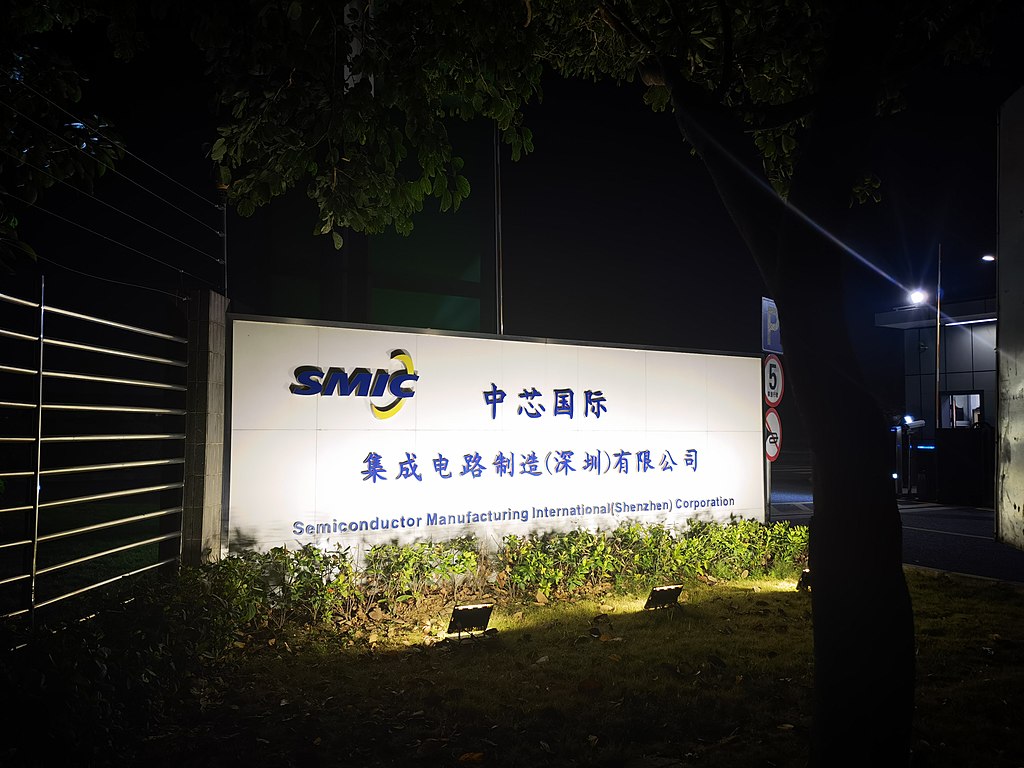
Shares of Semiconductor Manufacturing International Corp (HK:0981), China’s largest contract chipmaker, declined 3.6% to HK$68.95 in Hong Kong trading on Wednesday, underperforming the Hang Seng Index, which edged up 0.4%. The drop came as investors reacted to cautious guidance and rising cost pressures, despite the company reporting solid fourth-quarter earnings fueled by strong artificial intelligence (AI) demand.
SMIC posted a 60.7% surge in net profit for the fourth quarter, supported by robust domestic chip demand and accelerating growth in the AI sector. Revenue climbed nearly 13% year-over-year, reflecting increased orders tied to AI applications and advanced computing. The company has been a key beneficiary of Beijing’s push for semiconductor self-sufficiency, as China prioritizes locally manufactured chips to reduce reliance on foreign technology.
However, the upbeat earnings were overshadowed by a more conservative outlook. SMIC forecast flat revenue growth for the current quarter and warned that margins will face mounting pressure. The company expects depreciation costs to rise 30% in 2026 as it expands production capacity to meet surging semiconductor demand. Higher operating expenses and ongoing investments in fabrication facilities are likely to weigh on profitability.
Co-CEO Zhao Haijun highlighted additional challenges, noting that intense AI-driven demand for memory chips is straining overall supply. The resulting memory chip shortage is increasing costs for manufacturers, particularly in the consumer electronics sector. This imbalance in chip supply and demand could further pressure margins across the broader semiconductor industry.
The cautious commentary also impacted other Chinese semiconductor stocks. Hua Hong Semiconductor Ltd (HK:1347), Cambricon Technologies Corp Ltd (SS:688256), and Moore Threads Technology Co Ltd (SS:688795) declined between 1% and 2% following SMIC’s announcement.
While SMIC continues to benefit from China’s expanding AI ecosystem and semiconductor localization strategy, investors remain watchful of cost inflation, capacity expansion risks, and ongoing supply chain constraints shaping the chipmaking industry in 2026.







