


 SK Holdings, KKR Launch $1.3B Renewable Energy Venture in South Korea
  ShareChat Eyes 2027 IPO After Reaching Operational Profitability, Report Says
  Norway Offshore Oil Workers Reach Wage Deal, Averting Strike
  Texas Man Charged After Fatal Tesla Full Self-Driving Crash in Katy
  Anthropic Tightens AI Access Controls After Reports of China-Based Workarounds
  BHP Workers Approve New Labour Agreement at WA Iron Ore Operations
  Switch Seeks $2 Billion Funding at Nearly $50 Billion Valuation Ahead of Potential IPO
  Meta Stock Jumps as AI Cloud Expansion Challenges AWS, Microsoft, and Google
  Samsung to Invest $90 Billion in South Korea to Expand AI Chip, Display, and Battery Production
  OpenAI Proposes 5% U.S. Government Stake Amid AI Policy Talks
  Trump Reports $1.4 Billion in Crypto Income as Digital Assets Become Top Wealth Source
  Meta CEO Zuckerberg Says AI Agent Development Has Slowed Despite Massive AI Investment
  Kuaishou Stock Jumps as Kling AI Secures $2 Billion Funding Round
  Apple Eyes Chinese Memory Chips as AI Shortage Pressures iPhone Supply Chain
  Northern Star Appoints New CEO as Activist Elliott Pushes for Leadership Overhaul
  Suncorp Cuts 2026 Premium Growth Forecast as Australia, New Zealand Markets Weaken


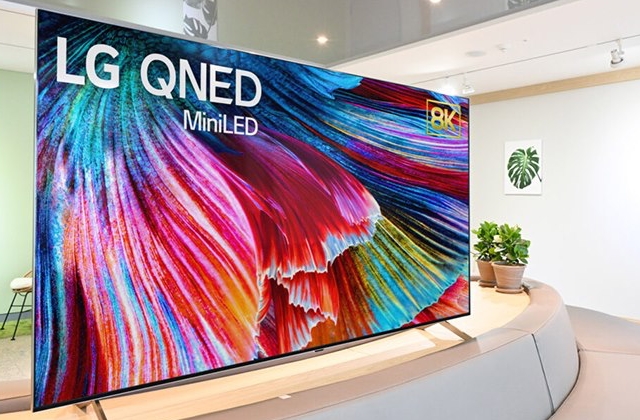
Samsung and LG were not able to register the QNED trademark at the U.S. Patent and Trademark Office. Based on the documents, the South Korean electronics companies were both rejected by the patent office when they tried to register.
The filing of patent and why it was refused
The Korea Times reported that the USPTO informed Samsung Display on Feb. 25 that its registration for the "QNED" trademark was denied. The office explained that it was turned down as the mark simply “describes an important feature and characteristic of the applicant's goods."
It was disclosed that Samsung Display applied for the QNED trademark in September 2020, and apparently, it took almost half a year before the patent office released its decision. It turned out that it was not just Samsung that applied for the same patent, but LG Electronics also did.
LG was notified about the rejection of its application earlier than Samsung. The notice came in January, and the reason for the denied registration was the same, that QNED is "merely descriptive."
Can LG or Samsung use the QNED label?
The U.S. patent office said that Samsung could use the name, but a disclaimer should be added stating that it has no claim to the exclusive right to use the QNED mark. Moreover, since LG also applied for the same patent, the U.S. authority informed the companies that if either company registers, their own mark may be denied because it could cause confusion with the registered patent.
In any case, QNED stands for Quantum Nano-Emitting Diode, and Samsung and LG are feuding over what they will name their next-generation display technology. It seems that while they are in dispute, no one can claim the name instead.
Meanwhile, Business Korea reported that LG also applied for the QNED trademark patent in South Korea, Europe, and Australia, and Samsung also did. The U.S. was the first to release a result after a review of their applications, and the other countries are still reviewing the companies’ filings.
LG is ahead in other trademark applications for NQED and QNLED, which are all for the display panels on mobile devices and TVs. Finally, the USPTO stated that LG can still reapply for the patent if it wishes to. The reapplication can be done after six months, and the company needs to add supplemental documents so it can attain the patent trademark it is after.







