


 TSMC Q2 Revenue Surges 36% as AI Chip Demand Powers Growth Ahead of Earnings
  UBS Starts CarTrade Tech With Buy Rating, Sees Strong Earnings Growth and ₹4,000 Target
  SK Hynix Shares Drop After Strong Nasdaq Debut Despite $26 Billion ADR Listing
  OpenAI Executive Fidji Simo to Step Down Amid Health Challenges Ahead of IPO
  SK Hynix Prices Record U.S. ADR Offering at $149 After $200 Billion Investor Demand
  Samsung to Launch First Yongin Chip Plant by 2029 as South Korea Speeds Up Semiconductor Hub
  Kitron Q2 Revenue Beats Estimates as Defense Demand Lifts Growth
  SK Hynix Soars 13% in Nasdaq Debut After Record $26.5 Billion IPO
  Australia Flags Child Safety Gaps at Apple, Meta, Google Over Online Sexual Extortion
  AstraZeneca Shares Sink After Wainua Trial Misses Key Heart Disease Goal
  Nippon Paint Reportedly Offers Up to €7.5 Billion for Akzo Nobel Decorative Paints Business
  Elon Musk Says Anthropic Leads AI Race as Claude Models Challenge OpenAI
  Wolfspeed Sues Navitas Over GaN and SiC Patent Infringement
  Stellantis Q2 Vehicle Shipments Rise 10% as North America Drives Growth
  Mastercard Explores Sale of Majority Stake in UK Payments Firm Vocalink: Report
  Bain Capital Exits Kioxia After AI-Fueled Valuation Surge


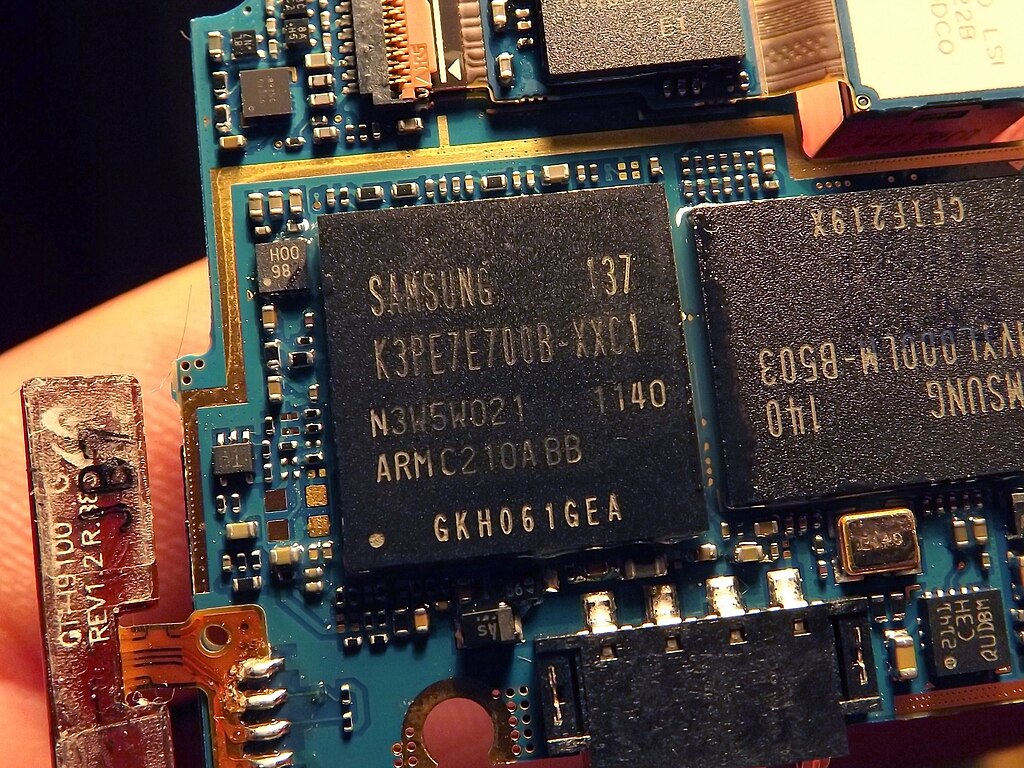
Samsung Electronics is preparing to begin mass production of its next-generation high-bandwidth memory chips, known as HBM4, as early as next month, according to a source familiar with the matter cited by Reuters. The advanced memory chips are expected to be supplied primarily to Nvidia, a key customer driving global demand for high-performance semiconductors used in artificial intelligence, data centers, and high-end computing applications.
While the source did not disclose the volume of HBM4 chips Samsung plans to deliver to Nvidia, the move itself signals a major milestone in the global memory chip race. HBM4 represents the latest evolution in high-bandwidth memory technology, offering faster data transfer speeds, improved power efficiency, and higher capacity compared to previous generations. These features are especially critical for AI accelerators and GPUs, where memory performance can directly impact overall system efficiency.
A spokesperson for Samsung Electronics declined to comment on the report, maintaining the company’s usual stance of not discussing specific customer relationships or production schedules. However, local media reports have added further context. South Korea’s Korea Economic Daily reported that Samsung has successfully passed qualification tests for its HBM4 chips with both Nvidia and AMD, citing unnamed sources within the semiconductor industry. According to the report, shipments to these major chip designers are expected to begin next month.
If confirmed, this development would strengthen Samsung’s position in the competitive HBM market, where it faces intense rivalry from SK Hynix and Micron. With AI-driven demand for advanced memory surging worldwide, securing supply agreements with industry leaders such as Nvidia and AMD could provide Samsung with a significant competitive advantage.
The timing is also notable as global chipmakers race to secure stable supplies of next-generation memory to support increasingly complex AI workloads. Samsung’s potential early entry into HBM4 production may help it capture greater market share while reinforcing its role as a critical supplier in the rapidly expanding AI and semiconductor ecosystem.







