


 Yemen Violence Displaces 130,000 as Civilian Toll Rises
  Ukrainian Drone Attacks Hit Russian Regions, Injuring at Least 12
  US Backs Musk in Fight Against EU’s €120 Million X Fine
  Russian Missile and Drone Attack on Kyiv Kills Two, Damages Maternity Hospital
  France Defends Netanyahu Airspace Clearance Despite ICC Warrant
  Taiwan Thanks US for Support Ahead of Trump-Xi Summit
  Sudan Rejects US Legitimacy Remarks, Defends Sovereignty
  Trump, Xi Visit US National Archives After White House Summit
  North Korea Rejects Nuclear Test Warning, Calls Nuclear Status Irreversible
  North Korea Warns South Korea Over US-Led Defense Role
  What ‘Taiwan Independence’ Means as Xi Presses Trump on US Policy
  Najib Razak Seeks Stay of 15-Year 1MDB Prison Sentence
  EU Defence Build-Up Too Slow for 2030 Russia Readiness Goal
  Pezeshkian Says US Must Choose When Iran War Ends
  Trump Asks Supreme Court to Restore Third-Country Deportations
  Abbas Reaffirms November 28 Palestinian Elections
  Mexico-US Trade Talks Delayed to October as Tariff Negotiations Continue


 Add as a preferred source on Google
Saudi Arabia, Turkey and Pakistan are preparing an urgent high-level defence meeting to discuss support for the kingdom as Houthi missile and drone attacks intensify across Saudi territory.
The talks will be held under the Mecca Joint Defence Agreement, which treats an attack on one member as an attack on all parties. The three countries’ foreign ministers have already met under the pact, condemning attacks on Mecca and other civilian areas and affirming Saudi Arabia’s right to self-defence.
The ministers also agreed to arrange an urgent meeting between the three countries’ military chiefs to consider ways to assist Saudi Arabia.
The move follows another wave of Houthi attacks. The Yemen-based group said it launched dozens of missiles and drones at Saudi targets on Thursday, while Saudi authorities reported intercepting six ballistic missiles. Emergency alerts were issued for areas including Mecca, Jeddah and Yanbu, a major Red Sea oil hub.
Saudi Arabia’s Grand Mufti also urged soldiers to be prepared to sacrifice their lives in fighting the Iran-aligned Houthis until the group is removed from power.
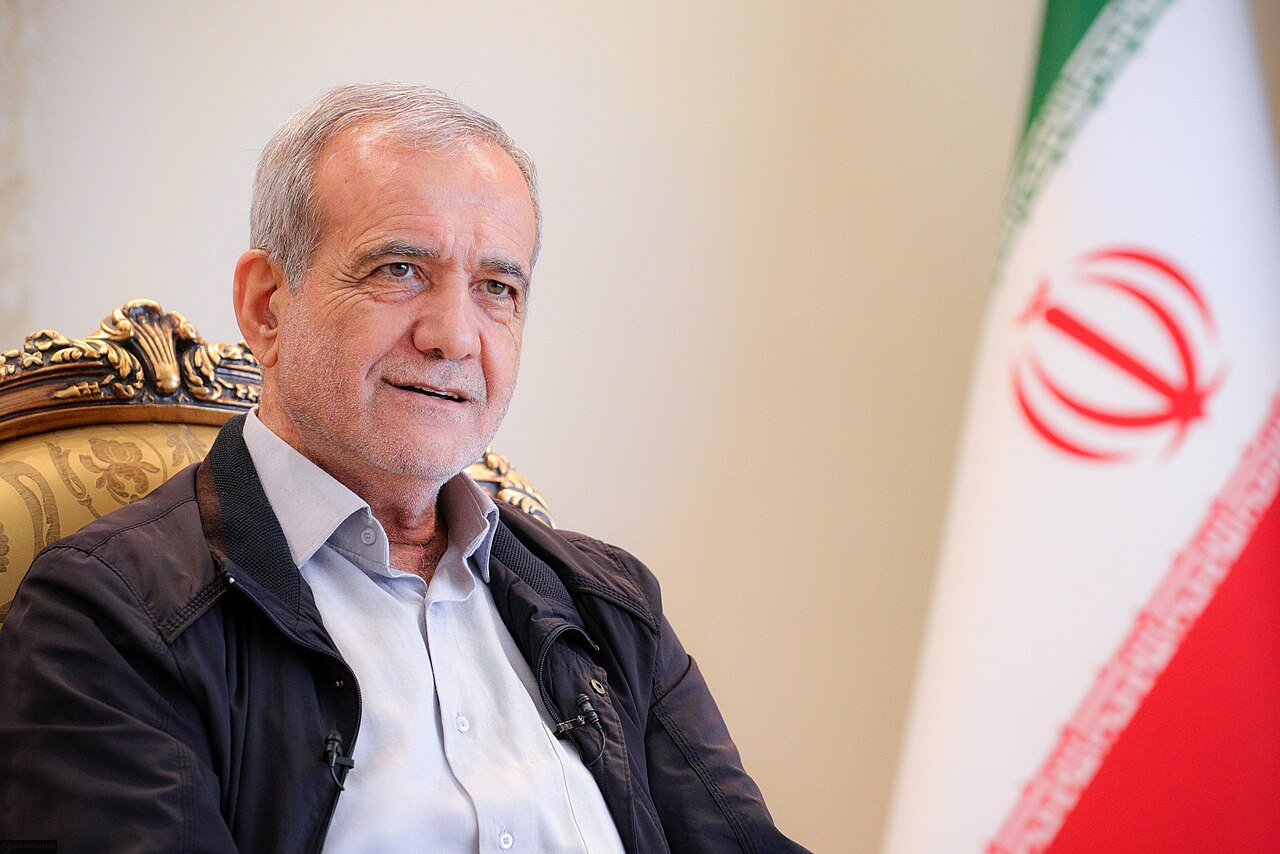
Iranian President Masoud Pezeshkian, however, sought to distance Tehran from the Houthis, telling Fox News that the group was responsible for its own actions. The extent of Iranian control over the Houthis remains disputed, although regional sources have previously described significant Iranian military support.
The escalation comes as diplomatic efforts continue between Washington and Tehran. Iranian Foreign Minister Abbas Araqchi said Tehran had proposed ending regional hostilities within seven days in exchange for measures including lifting the U.S. blockade on Iranian ports, releasing frozen Iranian funds and waiving oil sanctions. Iran would reopen the Strait of Hormuz on the final day under the proposal.
Oil markets remain sensitive to the conflict because Houthi attacks have disrupted Red Sea shipping while restrictions around the Strait of Hormuz have affected a key route for global crude exports.
Meanwhile, new U.S. secondary sanctions are increasing pressure on Iran, with neighboring countries including the UAE and Oman barring Iranian airlines, potentially deepening Tehran’s economic isolation.







