


 Rise of the Zombie Bugs takes readers on a jaw-dropping tour of the parasite world
  China Extends Gold Buying Streak as Reserves Surge Despite Volatile Prices
  Indian Refiners Scale Back Russian Oil Imports as U.S.-India Trade Deal Advances
  Parasites are ecological dark matter – and they need protecting
  Dollar Near Two-Week High as Stock Rout, AI Concerns and Global Events Drive Market Volatility
  Trump Lifts 25% Tariff on Indian Goods in Strategic U.S.–India Trade and Energy Deal
  How America courted increasingly destructive wildfires − and what that means for protecting homes today
  What’s so special about Ukraine’s minerals? A geologist explains
  Asian Stocks Slip as Tech Rout Deepens, Japan Steadies Ahead of Election
  We combed through old botanical surveys to track how plants on Australia’s islands are changing
  As the Black Summer megafires neared, people rallied to save wildlife and domestic animals. But it came at a real cost
  Fungi are among the planet’s most important organisms — yet they continue to be overlooked in conservation strategies
  Oil Prices Slide on US-Iran Talks, Dollar Strength and Profit-Taking Pressure
  U.S.-India Trade Framework Signals Major Shift in Tariffs, Energy, and Supply Chains
  India–U.S. Interim Trade Pact Cuts Auto Tariffs but Leaves Tesla Out
  Japanese Pharmaceutical Stocks Slide as TrumpRx.gov Launch Sparks Market Concerns
  Australian Household Spending Dips in December as RBA Tightens Policy


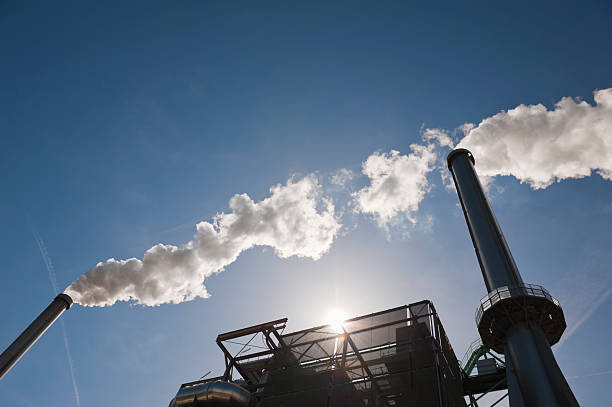
The UAE is constructing a $1.1 billion waste-to-energy facility in Dubai that will help burn up to two-thirds of the country’s trash to deal with a growing refuse problem.
The facility is part of a series of waste incinerators, which include a smaller plant in Sharjah and two projects in Abu Dhabi.
The program will potentially make it harder for the UAE to reach carbon neutrality by 2050, as burning trash creates carbon emissions.
Sharjah-based waste company Bee’ah will mitigate this by creating green spaces, install a 120-MW solar array, and produce hydrogen from the garbage to fuel its garbage trucks.
Sharjah will also close its landfill site.
Environmentalists favor recycling, but it is extremely challenging to turn plastics and other waste into usable products.













