


 Paramount Skydance Faces $30 Million Film Penalty in Warner Bros. Deal
  Trump Backs Florida Golf Course as Presidential Retreat
  Mexico Bars Dual Citizens From Presidential Races Starting in 2028
  Rapidus Seeks Chip Customers as Japan Pushes 2nm Semiconductor Revival
  Russia Targets Danish Ukraine Suppliers in Sabotage Campaign
  US Backs Musk in Fight Against EU’s €120 Million X Fine
  US-Led Coalition Targets Global Factory Overcapacity
  France to Release 10 Million Barrels of Diesel to Ease Fuel Prices
  Trump Opens Tax-Exempt Dyed Diesel Access as Fuel Prices Surge
  Australia Probes Flydubai Co-Pilot’s Links After FZ1073 Hijack Attempt
  TikTok Accused of Testing Fake Safety Tools on Users
  Florida Seeks Tougher Meta Rules to Protect Young Users
  Lincoln University Students Sue Missouri Over Decades of Underfunding
  Trump Envoy Meets Sudan Army Chief in Egypt
  Paramount-Warner Bros $110 Billion Deal Draws Antitrust Backlash
  US Appeals Court Keeps Trump IRS Case Sanctions in Place


 Add as a preferred source on Google
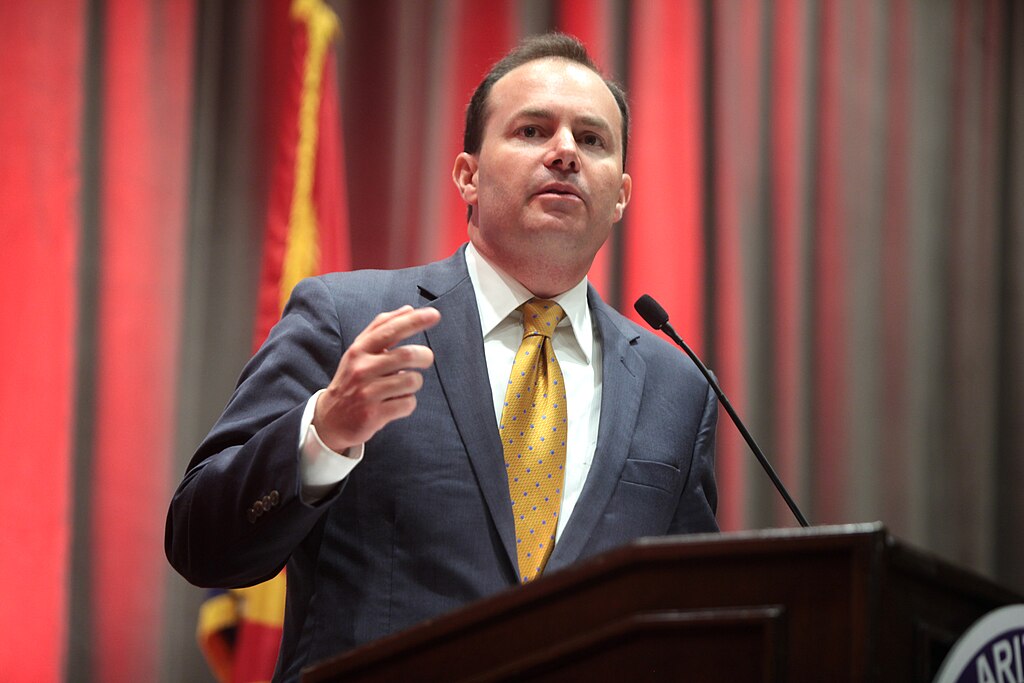
Sen. Mike Lee (R-Utah) has introduced new legislation aimed at preventing illegal immigrants from accessing public benefits, a move that has reignited fierce debate over immigration policy and government spending. Lee’s proposal seeks to tighten eligibility requirements for federal aid programs, ensuring only U.S. citizens and legal residents can receive assistance.
The bill, announced earlier this week, directly targets what Lee described as “an unfair burden on American taxpayers.” He argued that public resources should prioritize citizens and legal immigrants, particularly as the nation grapples with economic challenges.
“Taxpayer-funded benefits must go to those who are here legally,” Lee said in a statement. “This legislation protects hardworking Americans and ensures fairness in the system.”
While supporters of the bill view it as a necessary step toward fiscal responsibility and border security, critics argue that the proposal oversimplifies a complex issue and risks harming vulnerable individuals.
Key Points of Lee’s Legislation
The bill proposes barring illegal immigrants from accessing federal programs such as Medicaid, food stamps, and housing assistance. Lee emphasized that the legislation would include strict enforcement measures, requiring agencies to verify legal status before distributing benefits.
Proponents argue that the bill addresses concerns over rising federal expenditures, particularly in states experiencing a surge in migrant populations. They believe limiting access to public benefits will reduce incentives for illegal immigration.
“We are seeing unprecedented pressure on local and federal resources,” Lee said. “This is about protecting taxpayers while upholding the rule of law.”
However, immigration advocates warn that the bill could disproportionately impact families and children. They argue that many undocumented immigrants contribute to the economy and that restricting benefits could strain public health systems and increase poverty levels.
“Denying benefits doesn’t solve immigration issues—it creates new ones,” said immigration policy analyst Maria Castillo. “It’s a short-sighted approach that punishes entire communities.”
Public Reaction Divides Social Media
Sen. Lee’s legislation has sparked intense reactions on social media, with users expressing strong opinions both in support and opposition to the proposed bill.
User @AmericanTaxpayer wrote, “Finally, someone is protecting our tax dollars. Illegal immigrants shouldn’t receive benefits meant for citizens.”
Conversely, @JusticeForAll argued, “This is cruel. Denying basic support to people in need is not who we are as a nation.”
Supporter @SecureTheBorder posted, “Mike Lee is doing what every senator should—protecting America’s resources from exploitation.”
Meanwhile, @ImmigrantRightsUSA commented, “These policies harm children and families. Immigrants contribute far more than they take.”
User @StopWastefulSpending added, “Public benefits should go to Americans. Lee’s bill is common sense and long overdue.”
Lastly, @CompassionFirst responded, “Targeting immigrants won’t fix the system. This bill only fuels division and hardship.”
Legislation Faces Hurdles in Congress
The bill’s path through Congress remains uncertain, as Democrats and immigration advocacy groups are expected to strongly oppose the measure. Lee’s proposal reflects broader efforts by Republican lawmakers to address immigration and spending concerns, particularly ahead of upcoming elections.
Whether the bill gains traction or remains a symbolic gesture will depend on bipartisan negotiations and shifting political priorities. For now, Lee’s legislation highlights the ongoing tensions between border security, fiscal policy, and the human impact of immigration laws.
As the debate continues, the proposal has once again placed immigration at the center of national discourse, with lawmakers and citizens divided on how best to address the challenges.







