


 How to create a thriving forest, not box-checking ‘tree cover’
  NASA Artemis II: First Crewed Moon Mission Since Apollo Takes Four Astronauts on 10-Day Lunar Journey
  Gold Price Holds Near $4,000 as Middle East Tensions and Fed Rate Hike Bets Grow
  Lake beds are rich environmental records — studying them reveals much about a place’s history
  Nvidia Tightens AI Chip Sales in Asia With Stricter Customer Approval Process
  Asian Stocks Slide as Oil Surge, U.S.-Iran Tensions and Fed Rate Bets Weigh on Markets
  Goldman Sees Foreign Investors Driving India Stock Market Recovery
  Mastercard Explores Sale of Majority Stake in UK Payments Firm Vocalink: Report
  Senate Sets December 8 Vote on Trump’s NASA Nominee Jared Isaacman
  How ongoing deforestation is rooted in colonialism and its management practices
  Trump, Canada Reach Gordie Howe Bridge Deal Ahead of July 27 Opening
  DOJ Grand Jury Investigates UAW President Shawn Fain Ahead of Union Election
  Neuralink Plans High-Volume Brain Implant Production and Fully Automated Surgery by 2026
  Fed Reaffirms 2% Inflation Goal, Vows Forceful Action to Anchor Price Expectations
  South Korea’s KOSPI Enters Bear Market Despite Remaining 2026’s Best-Performing Major Stock Index


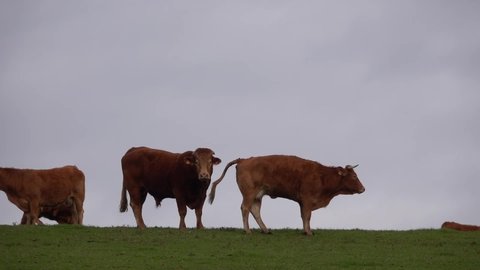
South Korea’s Ministry of Agriculture, Food, and Rural Affairs and Hyundai Steel Co. have joined hands to use livestock excrements for producing solid fuel for making iron to reduce greenhouse gas emissions.
Last year, South Korea’s livestock excrement production reached 51.2 million tons as the number of livestock continued to increase.
Over 90 percent of this excrement is turned into manure or liquified fertilizer for farm use.
However, shrinking farmlands and heavier restrictions on compost spraying make excrement processing increasingly difficult.
Additionally, making and distributing compost generates ultrafine dust like ammonia and greenhouse gases, threatening the environment.
More than 21 million tons of compost made of cow excrement are being used annually, generating over 2,728,000 tCO2-eq of greenhouse gas.







