


 AstraZeneca Shares Sink After Wainua Trial Misses Key Heart Disease Goal
  SoftBank Corp Partners With Sierra to Expand AI Customer Support Across Japan
  Nvidia Tightens AI Chip Sales in Asia With Stricter Customer Approval Process
  Yaskawa Electric Shares Slide as Weak Profit Overshadows Strong AI Demand
  Nvidia Invests $500M in Firmus Technologies Ahead of Planned ASX IPO
  Australia Flags Child Safety Gaps at Apple, Meta, Google Over Online Sexual Extortion
  LG Energy Solution Q2 Profit Plunges 77% Despite Revenue Growth on Weak EV Demand
  Morgan Stanley Says China’s Reusable Rocket Progress Poses Long-Term Challenge to SpaceX
  Oppenheimer Sees CNH Industrial as Top 2026 Agriculture Stock Pick on Dealer Consolidation Strategy
  SK Hynix Prices Record U.S. ADR Offering at $149 After $200 Billion Investor Demand
  Samsung to Launch First Yongin Chip Plant by 2029 as South Korea Speeds Up Semiconductor Hub
  Morgan Stanley Names Marks & Spencer Top European Retail Pick, Sees Strong Upside
  OpenAI GPT-5.6 Set for Wider Release After U.S. Commerce Approval, Report Says
  Samsung Chairman Lee Jae-yong Expected to Meet Nvidia CEO Jensen Huang on AI and Chip Partnership
  SK Hynix Soars 13% in Nasdaq Debut After Record $26.5 Billion IPO
  UBS Starts CarTrade Tech With Buy Rating, Sees Strong Earnings Growth and ₹4,000 Target


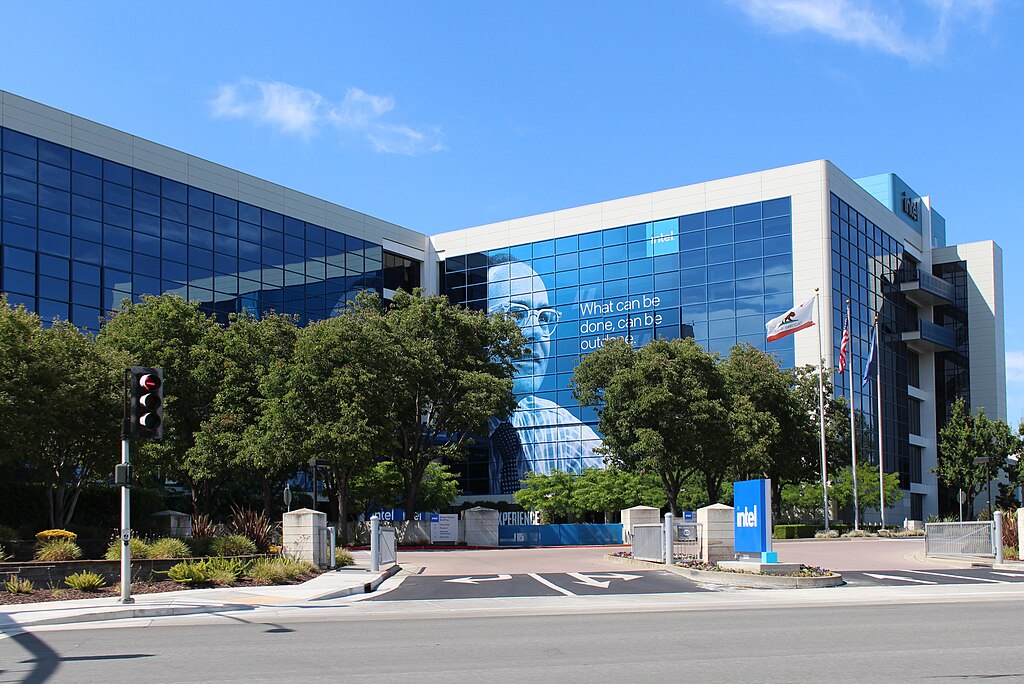
SoftBank Corp (TYO:9434) has announced a strategic collaboration between its subsidiary Saimemory and Intel Corporation (NASDAQ: INTC) to develop a new class of advanced memory chip technology aimed at powering the next wave of artificial intelligence infrastructure. The partnership focuses on commercializing what the companies call “Z-Angle operation memory technology,” which is designed to deliver higher capacity, greater bandwidth, and significantly lower power consumption compared to conventional memory solutions.
According to SoftBank, the new memory technology is being developed specifically for use in AI data centers, where demand for high-speed, energy-efficient memory continues to surge. As generative AI models grow larger and more complex, data centers require memory systems capable of handling massive data throughput while keeping energy costs under control. High-performance memory has become a critical bottleneck in AI computing, making innovations in this space strategically important.
SoftBank Corp, a publicly listed unit of SoftBank Group Corp (TYO:9984), serves as the conglomerate’s primary operating company. The announcement also builds on SoftBank Group’s broader relationship with Intel, following the group’s agreement in mid-2025 to invest $2 billion in the U.S. chipmaker. That investment signaled SoftBank’s confidence in Intel’s long-term role in the global semiconductor and AI ecosystem.
For Intel, the collaboration comes at a crucial time as the company works to strengthen its chip portfolio and regain momentum in the highly competitive AI hardware market. Rivals have moved aggressively to capture AI-related demand, particularly in data center accelerators and memory solutions. By partnering with Saimemory, Intel aims to leverage its next-generation DRAM bonding initiative to accelerate innovation in memory architecture.
Under the agreement, Saimemory will utilize Intel’s advanced DRAM bonding technology to develop and test prototypes of the new memory chips, with the companies targeting early 2028 for initial prototypes. If successful, the Z-Angle operation memory technology could play a meaningful role in shaping future AI data centers, offering a combination of speed, efficiency, and scalability that aligns with the rapidly evolving needs of artificial intelligence workloads.







