


 Iraq PM Visits Washington as U.S. Oil, Gas Deals Take Center Stage
  UN Says Hamas Disrupted Gaza Aid Distribution, Group Denies Allegations
  Ukraine, EU Sign Landmark Drone Deal to Boost Defense Production
  Iranian Missile Strike on UAE Oil Tankers Kills Indian Crew Member in Strait of Hormuz
  UK Sanctions 24 Russian-Linked Targets Over Cyberattacks and Election Interference
  Zelenskiy Cabinet Reshuffle Puts Ukraine Defense Minister Fedorov’s Future in Focus
  Israel-Lebanon Talks Resume in Rome as Ceasefire and Troop Withdrawal Remain Elusive
  US Military Launches New Strikes on Iran, Targets Threats to Strait of Hormuz Shipping
  Trump Administration Hands Over Key Evidence in Minnesota Immigration Shooting Investigations
  Trump Administration Bars U.S. Travelers From Congo Flights Amid Ebola Outbreak
  Trump to Deliver National Address on 2020 Election Intelligence, Voting Machine Security
  EU Ministers Split as Support Grows for Ban on Trade With Israeli West Bank Settlements
  EU Weighs New Trade Restrictions on Israeli West Bank Settlements
  Russia Launches Missile and Drone Attacks on Kyiv, Zaporizhzhia, and Kharkiv
  Minnesota Wildfires Spread as Governor Tim Walz Deploys National Guard
  Ukraine, Europe Launch Freyja Missile Shield to Strengthen Air Defense Against Russia


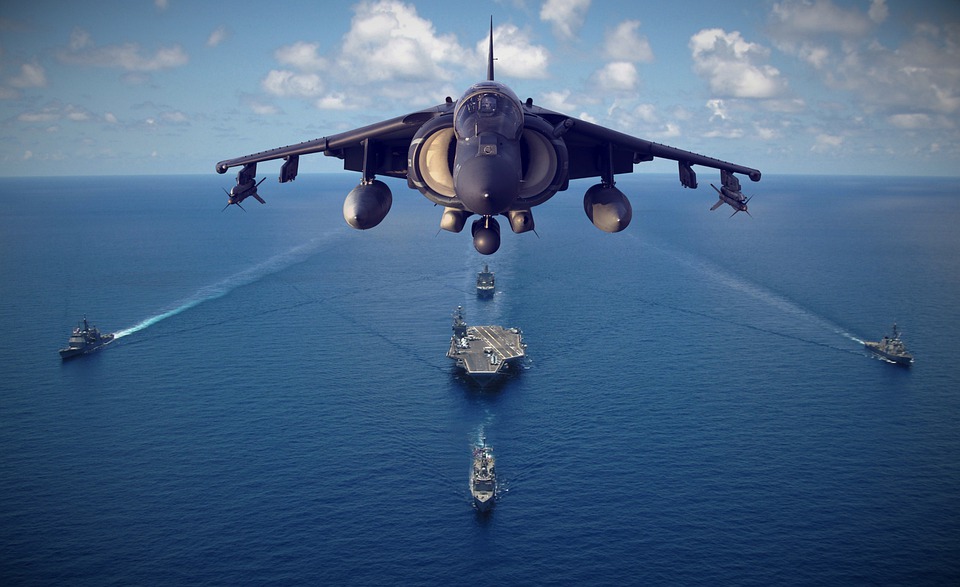
Tensions surrounding the South China Sea have risen as of late as China and the countries making overlapping claims to the parts of the waters dispute over territory. The possibility of conflict between China and the Philippines over the waters appears to have increased as the Philippines has increased its naval patrols.
In what appears to be an unprecedented move, the Philippines has increased its naval patrols in the contested waters, signaling increasing tensions in the South China Sea. Ship-tracking data by the Asia Maritime Transparency Initiative showed that Philippine naval vessels made around 57 patrols around the disputed Spratly Islands and Scarborough Shoals from March 1 to May 25. AMTI noted that this was a dramatic increase from the past 10 months.
They also noted that the recent Filipino military activity was beyond what has been seen in years.
China made sweeping claims of sovereignty over almost the entire South China Sea, a claim the Philippines contested along with other nations. An international arbitration ruled against China’s claims, which China has rejected, still insisting on having sovereignty over the waters to this day. Beijing has already built and fortified structures that are claimed by both the Philippines and Vietnam, angering both countries.
However, despite the increased naval presence on the part of the Philippines, the analysis notes that this pales in comparison to Chinese military forces. AMTI explained that Philippine naval presence appears to be fleeting, whereas Chinese vessels operate as sentries and will stay at targeted places for weeks until they are replaced.
Nevertheless, the Philippines has refused to back down from the pressure presented by China over the waters. Philippine President Rodrigo Duterte made clear in May that the country will not back down from Chinese pressure in a televised address. Duterte’s remarks come amidst pressure to abandon seeking close relations with China and push back against what his defense advisers have said are provocations from China.
“We have a stand here and I want to state it here and now again that our ships are there, we will not move an inch backward,” said the Filipino leader. “I do not want a quarrel. I do not want trouble. I respect your position and you respect mine. But we will not go to war. I will not withdraw. Even if you kill me. Our friendship will end there.”







