


 NASA and SpaceX Target Crew-11 Undocking From ISS Amid Medical Concern
  FDA Pilot Program Eases Rules for Nicotine Pouch Makers
  Washington Post Publisher Will Lewis Steps Down After Layoffs
  Sony Q3 Profit Jumps on Gaming and Image Sensors, Full-Year Outlook Raised
  American Airlines CEO to Meet Pilots Union Amid Storm Response and Financial Concerns
  TrumpRx Website Launches to Offer Discounted Prescription Drugs for Cash-Paying Americans
  SpaceX Starship Explodes in Texas During Test, Citing Nitrogen Tank Failure
  SoftBank Shares Slide After Arm Earnings Miss Fuels Tech Stock Sell-Off
  OpenAI Expands Enterprise AI Strategy With Major Hiring Push Ahead of New Business Offering
  Amazon Stock Rebounds After Earnings as $200B Capex Plan Sparks AI Spending Debate
  Anthropic Eyes $350 Billion Valuation as AI Funding and Share Sale Accelerate
  SpaceX Prioritizes Moon Mission Before Mars as Starship Development Accelerates
  Tencent Shares Slide After WeChat Restricts YuanBao AI Promotional Links
  SoftBank and Intel Partner to Develop Next-Generation Memory Chips for AI Data Centers
  SpaceX Seeks FCC Approval for Massive Solar-Powered Satellite Network to Support AI Data Centers
  Prudential Financial Reports Higher Q4 Profit on Strong Underwriting and Investment Gains


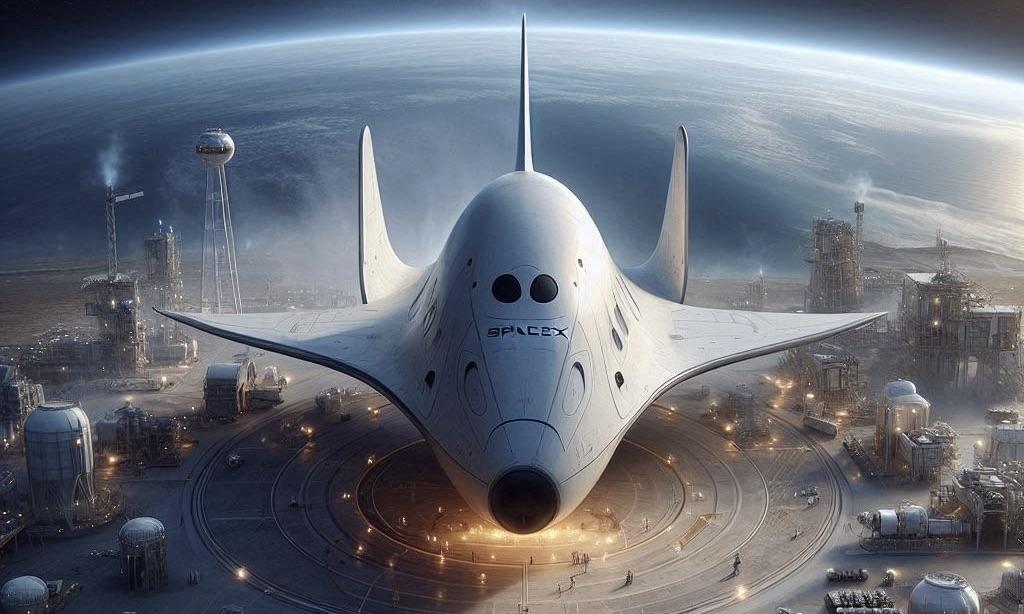
SpaceX has set a new November target for the fifth Starship test flight after significant delays caused by the FAA's licensing process. The aerospace company addressed these delays, citing environmental reviews and regulatory challenges as key factors in postponing the ambitious mission.
SpaceX Blames FAA Delays for Starship Test Flight Setback, Targets November for Next Launch
SpaceX has released a statement concerning the significant delays associated with the fifth test flight of Starship (IFT-5). Additionally, the aerospace corporation disclosed an additional potential date for the subsequent flight, which is scheduled for November.
SpaceX has been trying to execute Starship's subsequent test flight for an extended period. CEO Elon Musk announced that IFT-5 would occur in early August. In early July, while SpaceX attempted to resolve issues from the fourth test flight, he disclosed this potential date.
Nevertheless, that date has since passed. Nothing appeared to be happening as the company continued to await FAA approval. This has prompted SpaceX to issue a comprehensive statement that addresses the delays, their causes, and potential future developments.
Since the first week of August, SpaceX has declared that both the Starship and Super Heavy vehicles are prepared for launch. The subsequent flight will attempt to return the Super Heavy projectile to the launch site and capture it in mid-air, the most ambitious objective in the Starship testing program.
Each Starship test flight has resulted in subsequent advancements in the program. Elon Musk's objective of conducting uncrewed missions to Mars within two years has been validated by the fact that each flight has achieved more tremendous success than its predecessor.
Nevertheless, SpaceX asserts that the Starship program's delays are the result of a combination of factors:
“It’s understandable that such a unique operation would require additional time to analyze from a licensing perspective. Unfortunately, instead of focusing resources on critical safety analysis and collaborating on rational safeguards to protect both the public and the environment, the licensing process has been repeatedly derailed by issues ranging from the frivolous to the patently absurd. At times, these roadblocks have been driven by false and misleading reporting, built on bad-faith hysterics from online detractors or special interest groups who have presented poorly constructed science as fact.”
AA Cites Environmental Analysis for Delaying SpaceX Starship Launch Until Late November
Before SpaceX can take action, the Federal Aviation Administration (FAA) must sanction the test flight for launch.
The FAA has provided a new estimate to SpaceX due to a "superfluous environmental analysis," even though the agency previously provided a launch license estimate of mid-September.
“We recently received a launch license date estimate of late November from the FAA, the government agency responsible for licensing Starship flight tests. This is a more than two-month delay to the previously communicated date of mid-September. This delay was not based on a new safety concern, but instead driven by superfluous environmental analysis. The four open environmental issues are illustrative of the difficulties launch companies face in the current regulatory environment for launch and reentry licensing.”
According to SpaceX, there are numerous challenges associated with the reporting of the environmental consequences of the Starship program:
- Water-cooled steel flame deflector:
- SpaceX only operated the deflector with a permit.
- The deflector does not spray pollutants into the surrounding environment and uses drinking water.
- The EPA asked SpaceX to apply for an individual discharge permit despite the operation having “little to nothing in common with industrial waste discharges covered by individual permits.”
- SpaceX paid fines “tied to disagreements over paperwork…so it can focus its energy on completing the missions and commitments we have made.”
- Reports of operating in defiance of environmental regulation
- SpaceX calls it “demonstrably false.”
- Argues delays in licensing are for “unreasonable and exasperating reasons.”
- FAA consultation with U.S. Fish and Wildlife Services evaluated sonic booms and found they have “no significant impacts to the environment.”
- SpaceX has extensive mitigations to protect birds near Starbase for nearly ten years.
- “To date, the monitoring has not shown any population-level impacts to monitored bird populations, despite unsubstantiated claims to the contrary that the authors themselves later amended.”
- IFT-5 will take place outside of the nesting season
Given this, it will be intriguing to observe whether SpaceX's subsequent Starship test flight will occur before November, despite the likelihood that the FAA's anticipated date will remain the same.













