


 Fast Retailing Raises Full-Year Forecast After Uniqlo Owner Beats Q3 Profit Estimates
  Muji Owner Ryohin Keikaku Stock Soars After Raising Full-Year Earnings Forecast
  Zhipu AI Raises HK$31.37 Billion in Discounted Share Sale to Accelerate AI Growth
  Morgan Stanley Says China’s Reusable Rocket Progress Poses Long-Term Challenge to SpaceX
  Elon Musk Says Anthropic Leads AI Race as Claude Models Challenge OpenAI
  AstraZeneca Shares Sink After Wainua Trial Misses Key Heart Disease Goal
  Australia Flags Child Safety Gaps at Apple, Meta, Google Over Online Sexual Extortion
  UBS Starts CarTrade Tech With Buy Rating, Sees Strong Earnings Growth and ₹4,000 Target
  Chinese Chip Stocks Jump as Apple Reportedly Tests CXMT Memory Chips for China Devices
  Samsung Chairman Lee Jae-yong Expected to Meet Nvidia CEO Jensen Huang on AI and Chip Partnership
  Nvidia Tightens AI Chip Sales in Asia With Stricter Customer Approval Process
  China 618 Smartphone Sales Drop 13% as Higher Prices Hurt Demand, Huawei Gains Market Share
  TSMC Q2 Revenue Surges 36% as AI Chip Demand Powers Growth Ahead of Earnings
  EU to Propose New Rules Limiting Children's Access to Social Media
  SK Hynix’s $28B U.S. IPO Draws Strong Demand as AI Chip Boom Fuels Investor Interest
  SoftBank Corp Partners With Sierra to Expand AI Customer Support Across Japan
  Genesis Minerals to Acquire Vault in A$5.6 Billion Deal After Regis Withdraws


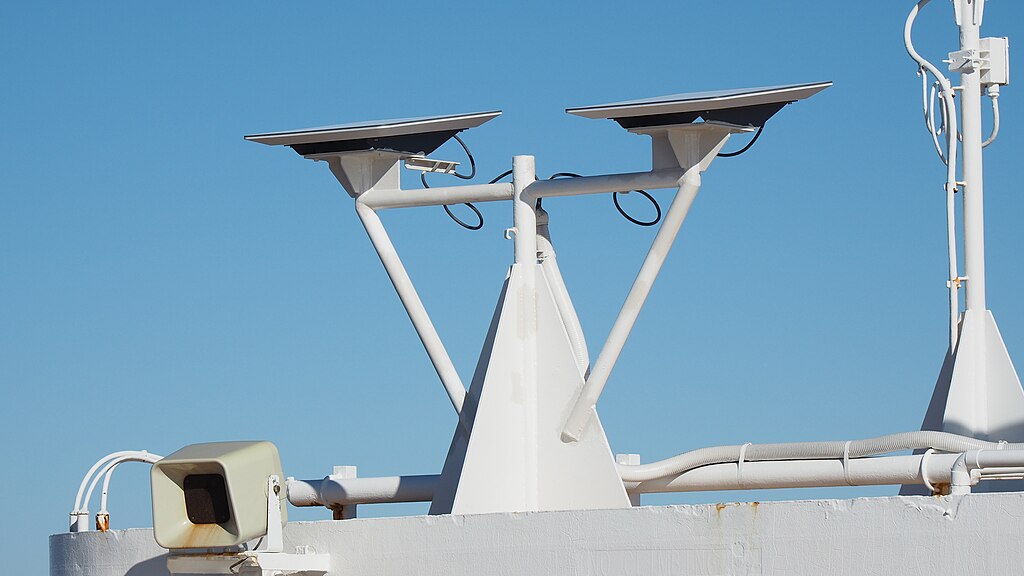
SpaceX’s Starlink is preparing a major reconfiguration of its satellite constellation in an effort to improve space safety and reduce the risk of orbital collisions. According to Michael Nicolls, SpaceX’s vice president of Starlink engineering, the company will begin lowering all Starlink satellites currently operating at around 550 kilometers (342 miles) down to approximately 480 kilometers over the course of 2026.
The decision reflects growing concerns about congestion in low Earth orbit, where the number of active spacecraft has increased dramatically in recent years. As governments and private companies race to deploy satellites for broadband internet, communications, and Earth observation, the risk of collisions and space debris has become a central issue for the global space industry.
Nicolls explained that lowering the operating altitude of Starlink satellites will help condense orbital layers and significantly reduce collision risks. He noted that below 500 kilometers, there are far fewer debris objects and planned satellite constellations, which lowers the overall likelihood of accidental impacts. In addition, satellites at lower altitudes naturally deorbit faster at the end of their missions, further limiting the long-term buildup of space junk.
The announcement follows a rare on-orbit incident disclosed by Starlink in December, when one of its satellites experienced an anomaly at roughly 418 kilometers in altitude. The spacecraft rapidly lost about four kilometers in height, suggesting a possible onboard explosion. The event created a small amount of debris and caused Starlink to lose communication with the satellite, highlighting the challenges of operating massive satellite constellations.
Starlink currently operates nearly 10,000 satellites, making SpaceX the largest satellite operator in the world. Originally known primarily for its rocket launch business, SpaceX has transformed Starlink into a global broadband internet network serving consumers, governments, and enterprise customers.
By proactively lowering satellite orbits, SpaceX aims to set a higher standard for responsible satellite operations. The move is expected to play a meaningful role in improving space sustainability while supporting the continued expansion of satellite internet and other space-based services.







