


 Oil Prices Jump as U.S.-Iran Conflict and Strait of Hormuz Tensions Shake Global Markets
  Asian Currencies Weaken as Stronger Dollar Weighs, Yen Supported by GPIF Repatriation Hopes
  Jared Isaacman Confirmed as NASA Administrator, Becomes 15th Leader of U.S. Space Agency
  Trump Signs Executive Order to Boost AI Research in Childhood Cancer
  South Korea’s KOSPI Triggers Trading Curb as AI Chip Stock Selloff Deepens
  Deutsche Bank Sees Global Capital Shifts Reshaping Long-Term U.S. Dollar Outlook
  Neuralink Expands Brain Implant Trials with 12 Global Patients
  BOJ May Raise Japan Growth Forecast While Keeping Focus on Inflation Risks
  European Stocks Slip as Middle East Tensions and Hormuz Threat Rattle Markets
  China Trade Surplus Hits $125.6 Billion as June Exports, Imports Smash Forecasts
  Eli Lilly’s Inluriyo Gains FDA Approval for Advanced Breast Cancer Treatment
  Dollar Rises as Middle East Conflict Fuels Inflation and Rate Hike Fears
  SpaceX Pivots Toward Moon City as Musk Reframes Long-Term Space Vision
  Asia Stocks Slip as Iran-Hormuz Tensions Lift Oil Prices, Dollar and Bond Yields
  Tabletop particle accelerator could transform medicine and materials science


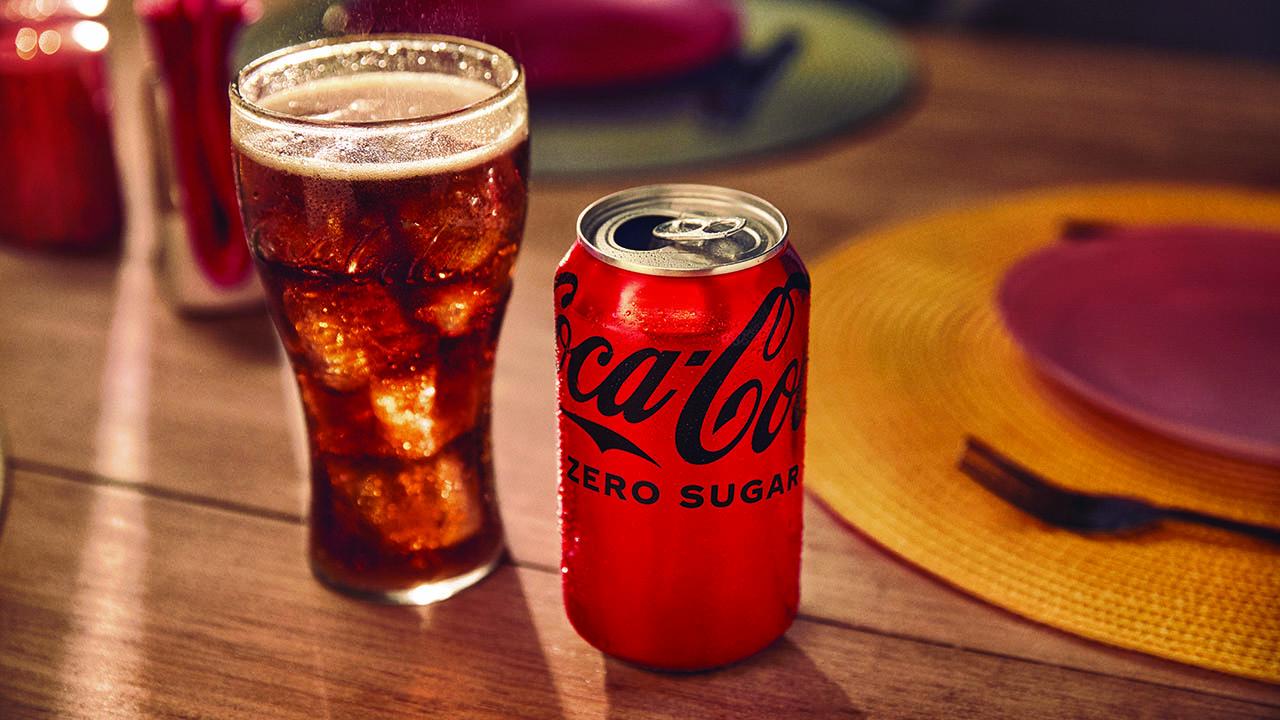
Duke University researchers revealed that the gastrointestinal tract, and not the tongue, distinguishes between Coca-Cola Original and Coca-Cola Zero Sugar.
According to their published study, neuropod cells in the stomach and intestine send signals to the brain recognizing sugar and artificial sweeteners differently.
Due to neurotransmitters like glutamate and ATP, the vagus nerve gets to figure out the difference within two millionths of a second.
Many noted that Coke Zero Sugar, which contains artificial sweeteners like sucralose and acesulfame potassium, could not fully replicate the taste of Original Coke.
While the tastes are closely similar, there are subtle differences between sugar and artificial sweeteners picked up by the human body upon ingestion.







