


 US-Iran Strikes Escalate as Strait of Hormuz Crisis Pushes Oil Prices Higher
  SK Hynix’s $28 Billion U.S. Share Sale Draws Massive Demand Amid AI Chip Boom
  SK Hynix’s $28B U.S. IPO Draws Strong Demand as AI Chip Boom Fuels Investor Interest
  Trump Administration Hands Over Key Evidence in Minnesota Immigration Shooting Investigations
  Meta Says States Seek $1.4 Trillion in Penalties Over Teen Social Media Addiction Lawsuit
  Russia Launches Missile and Drone Attacks on Kyiv, Zaporizhzhia, and Kharkiv
  Gold Prices Fall as US-Iran Conflict, Rising Oil Prices Fuel Fed Rate Concerns
  Ukraine, Europe Launch Freyja Missile Shield to Strengthen Air Defense Against Russia
  Yaskawa Electric Shares Slide as Weak Profit Overshadows Strong AI Demand
  Republican Senator Lindsey Graham Dies at 71, Leaving South Carolina Senate Seat Vacant
  Fed Reaffirms 2% Inflation Goal, Vows Forceful Action to Anchor Price Expectations
  Trump Recommends Darline Graham for Interim South Carolina Senate Seat
  Israel Sets October 27 Election as Netanyahu Faces Tough Political Test
  Singapore GDP Grows 5.7% in Q2 2026 as AI-Driven Manufacturing Boosts Economy
  EU Weighs New Trade Restrictions on Israeli West Bank Settlements
  SpaceX Stock Draws Bullish Wall Street Coverage Ahead of Nasdaq-100 Inclusion


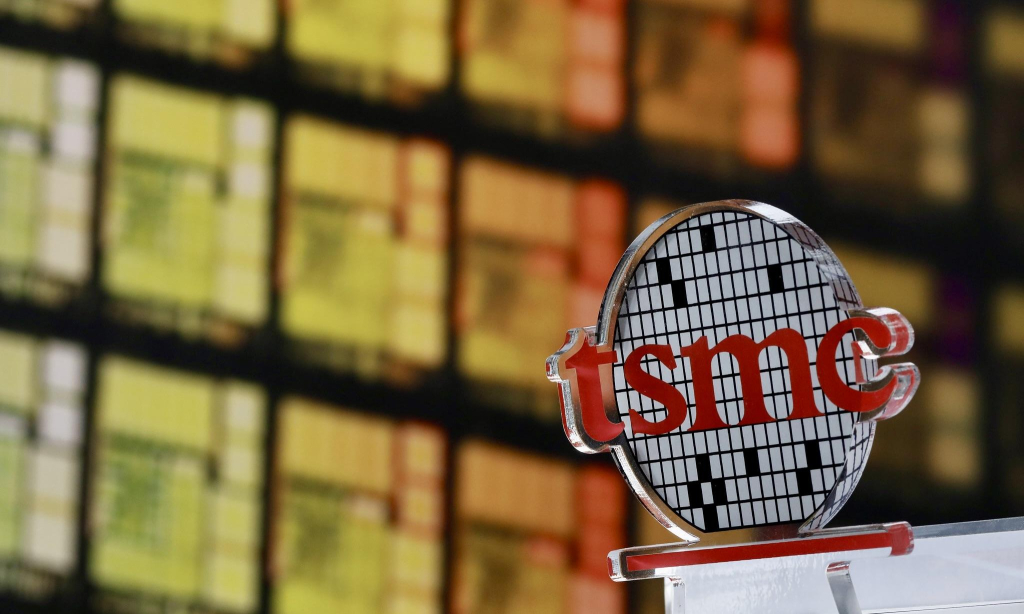
Taiwan has firmly rejected a U.S. proposal suggesting that half of global semiconductor production should shift to the United States. The clarification came from Taiwan’s Vice Premier Cheng Li-chiun, who returned from trade talks in Washington and stated that no such “50-50 chip deal” had been discussed or agreed upon. Cheng emphasized that Taiwan’s negotiating team “never made any commitment” on dividing chip production, stressing that the issue was not part of the official talks.
The rejection follows comments by U.S. Commerce Secretary Howard Lutnick, who told NewsNation that Washington wanted to pursue a 50-50 split in semiconductor manufacturing with Taiwan. However, Taiwan has reiterated its stance that chip production will remain centered on the island, home to Taiwan Semiconductor Manufacturing Company (TSMC), the world’s leading contract chipmaker.
TSMC continues to dominate global semiconductor supply, especially amid soaring demand for artificial intelligence applications. The company is investing $165 billion in new facilities in Arizona, yet most of its manufacturing capacity will remain in Taiwan. Industry analysts note that Taiwan’s strategic position in the global semiconductor supply chain is unlikely to change significantly despite U.S. incentives.
Taiwan currently faces a 20% tariff on exports to the United States, and tariff negotiations are ongoing. Vice Premier Cheng described the latest discussions as “detailed” and confirmed “certain progress” had been made. Premier Cho Jung-tai also highlighted that substantive consultations with Washington are underway, with hopes of achieving more favorable trade conditions.
In addition to semiconductor talks, Taiwan is expanding agricultural trade with the United States. President Lai Ching-te announced that Taiwan will purchase $10 billion worth of American agricultural products, including soybeans, wheat, corn, and beef, over the next four years.
While U.S.-Taiwan trade relations continue to deepen, Taiwan’s government remains firm that semiconductor sovereignty will not be compromised.







