


 Yaskawa Electric Shares Slide as Weak Profit Overshadows Strong AI Demand
  Nvidia Invests $500M in Firmus Technologies Ahead of Planned ASX IPO
  Arm Stock Falls After HSBC Downgrade, Citing Limited Near-Term AI Upside
  Gold Price Holds Near Record High as Cooling U.S. Inflation Offsets Fed Caution
  China Q2 2026 GDP Misses Forecast as Weak Domestic Demand Offsets Export Strength
  TSMC Q2 Revenue Surges 36% as AI Chip Demand Powers Growth Ahead of Earnings
  SK Hynix Soars 13% in Nasdaq Debut After Record $26.5 Billion IPO
  Dollar Holds Steady Ahead of U.S. CPI as Oil Surge, Middle East Tensions Keep Markets on Edge
  Dollar Rises as Middle East Conflict Fuels Inflation and Rate Hike Fears
  Dollar Slides as Softer US Inflation Dims Fed Rate Hike Expectations
  European Stocks Slip as Middle East Tensions and Hormuz Threat Rattle Markets
  Asian Stocks Slide as Oil Surge, U.S.-Iran Tensions and Fed Rate Bets Weigh on Markets
  Wolfspeed Sues Navitas Over GaN and SiC Patent Infringement
  Apple Tests China's CXMT Memory Chips as DRAM Maker Gains Global Market Share
  SK Hynix’s $28B U.S. IPO Draws Strong Demand as AI Chip Boom Fuels Investor Interest
  Singapore GDP Grows 5.7% in Q2 2026 as AI-Driven Manufacturing Boosts Economy
  China Trade Surplus Hits $125.6 Billion as June Exports, Imports Smash Forecasts


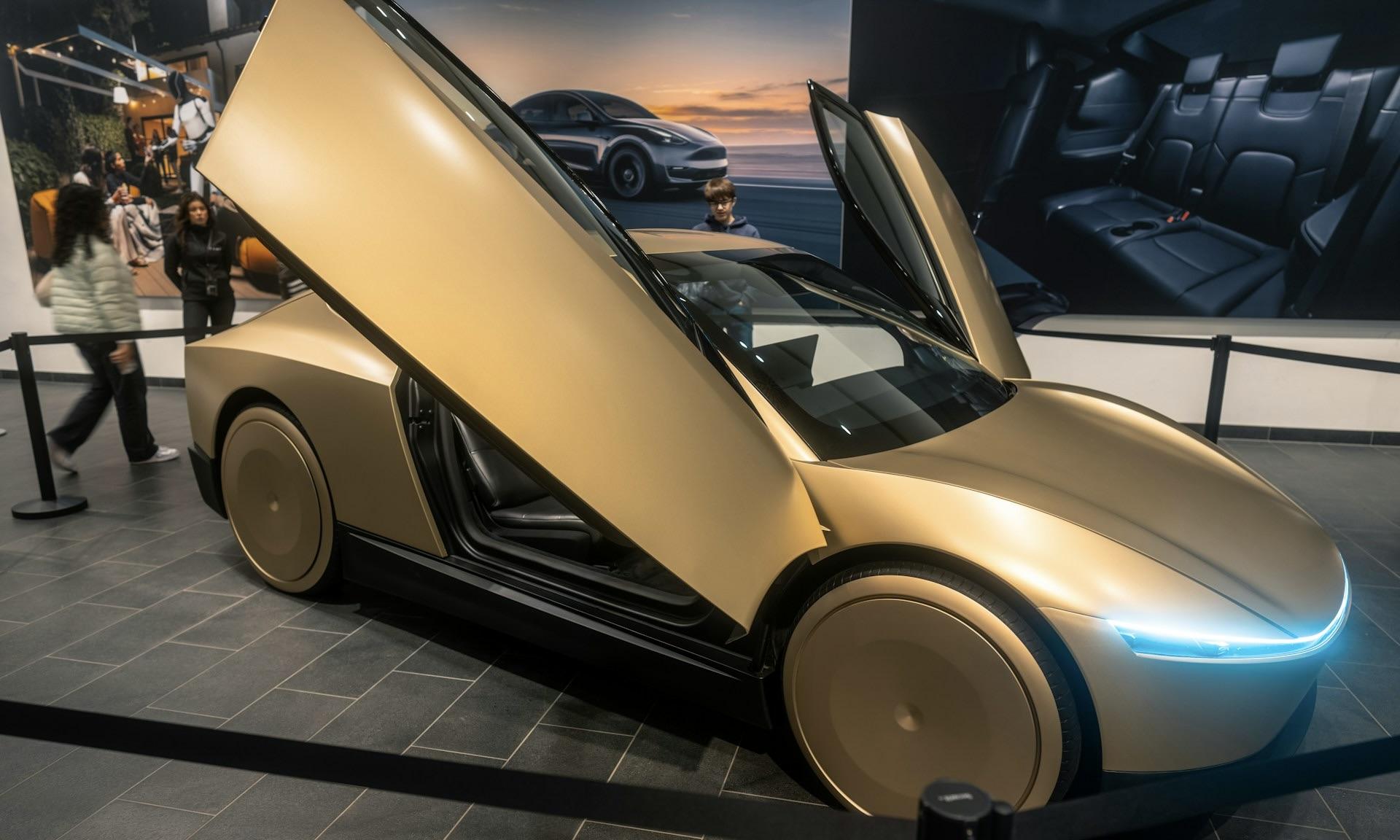
Tesla is accelerating its plans for self-driving robotaxis, sparking questions about where the groundbreaking technology will debut. With pilot programs in motion and regulatory hurdles being addressed, the company aims to reshape ride-hailing by 2025.
Tesla Eyes Self-Driving Robotaxi Launch in Texas
Bloomberg reported earlier this month that Tesla is in talks with Austin, Texas officials over the possible start of early pilot programs for its self-driving robotaxis as early as next year. This news follows CEO Elon Musk's previous goal of launching commercial robotaxis in 2025.
Public record requests revealed emails that showed an employee of Tesla discussing the possibility of deploying such fleets as early as May; the business is also contemplating trial programs in other towns in Texas.
“Tesla is still working to strategically find a city within Texas to deploy… The city of Austin is obviously on our roadmap, but has not yet been decided where we will deploy first as we have many options available,” an employee wrote in an email in November.
Cybercab and First Responder Training Highlight Tesla’s Safety Focus
According to the report, Tesla contacted the city of Austin in the days leading up to its "We, Robot" event on October 10, where the Cybercab was unveiled. An employee from the company hoped to address safety concerns and educate first responders on the use of autonomous vehicles.
At an event earlier this month at its Austin Gigafactory, Tesla trained first responders on its autonomous car technology. However, an employee there stated that the system is not yet ready for public roadways and promised to inform officials of any updates.
In October, during the company's third-quarter results call, Elon Musk mentioned that workers in the San Francisco Bay Area were already conducting internal tests of ride-hailing services. According to the CEO, Tesla employees can use the company's development app to order trips and be taken anywhere in the Bay.
Plans for Full Self-Driving Approval in Texas and California
Teslarati points out that it makes sense for Tesla to launch its commercial robotaxi services in major cities in Texas and California.
This is because, as Musk has stated, the company plans to launch its ride-hailing services and "Unsupervised" Full Self-Driving (FSD) approval in both of these states in 2025, subject to regulatory approval. Additionally, Musk mentioned that while it is not mandatory, the present internal ride-hailing tests in the Bay Area initially include safety drivers.
According to a report from Deutsche Bank earlier this month, Tesla's Head of Investor Relations, Travis Axelrod, stated that the company intends to use teleoperation as a redundancy and safety mechanism during the initial rollout of autonomous ride-hailing initiatives. Wherever the firm initially launches its commercial ride-hailing operations, this will certainly be a factor.
Tesla’s Ride-Hailing App Hints at Advanced Features
Also, earlier this year, in its Q1 Shareholder Deck, Tesla hinted at a ride-hailing app. The app would have a summon button to order a ride-hailing, an expected wait time, climate controls for the journey, routing instructions, and even media options to choose from.
With the Supervised Full Self-Driving (FSD) program, which any owner can access with a subscription or a one-time fee, even Tesla's non-Model Y vehicles can participate in ride-hailing operations. This was demonstrated via the mobile app's Model Y avatar.
A huge display, the absence of a steering wheel and pedals, and other details about the Cybercab were revealed to us in October. During Tesla's "We, Robot" event in Southern California on October 10, you can see our first journey in the Cybercab below.
Given its Fremont plant, Palo Alto engineering headquarters, and the fact that its competitor Waymo offers paid driverless ride-hailing in San Francisco and Los Angeles, it is reasonable to assume that both Texas and California would be the initial deployment sites for Tesla's ride-hailing services.
While the Cybercab isn't scheduled to hit production with Tesla until 2026, the company's other cars might be utilized for commercial self-driving operations down the road. However, it will also have competition from other companies looking to implement similar services.







