


 Gold Prices Fall as US-Iran Conflict, Rising Oil Prices Fuel Fed Rate Concerns
  Dollar Rises as Middle East Conflict Fuels Inflation and Rate Hike Fears
  Oil Prices Climb as Trump Escalates Iran Pressure, Strait of Hormuz Risks Grow
  Dollar Eases as Middle East Conflict, Fed Outlook and Japan Pension Policy Drive FX Markets
  BOJ May Raise Japan Growth Forecast While Keeping Focus on Inflation Risks
  Gold Price Holds Near $4,000 as Middle East Tensions and Fed Rate Hike Bets Grow
  South Korea Central Bank Set to Raise Interest Rates as Inflation Stays Elevated
  Singapore GDP Grows 5.7% in Q2 2026 as AI-Driven Manufacturing Boosts Economy
  US Inflation Expected to Ease in June, but Fed Rate Hike Risks Persist Amid Middle East Tensions
  Iraq PM Visits Washington as U.S. Oil, Gas Deals Take Center Stage
  China Trade Surplus Hits $125.6 Billion as June Exports, Imports Smash Forecasts
  Dollar Slides as Softer US Inflation Dims Fed Rate Hike Expectations
  Goldman Sees Foreign Investors Driving India Stock Market Recovery
  Gold Price Holds Near Record High as Cooling U.S. Inflation Offsets Fed Caution
  European Stocks Slip as Middle East Tensions and Hormuz Threat Rattle Markets
  Asian Currencies Weaken as Stronger Dollar Weighs, Yen Supported by GPIF Repatriation Hopes


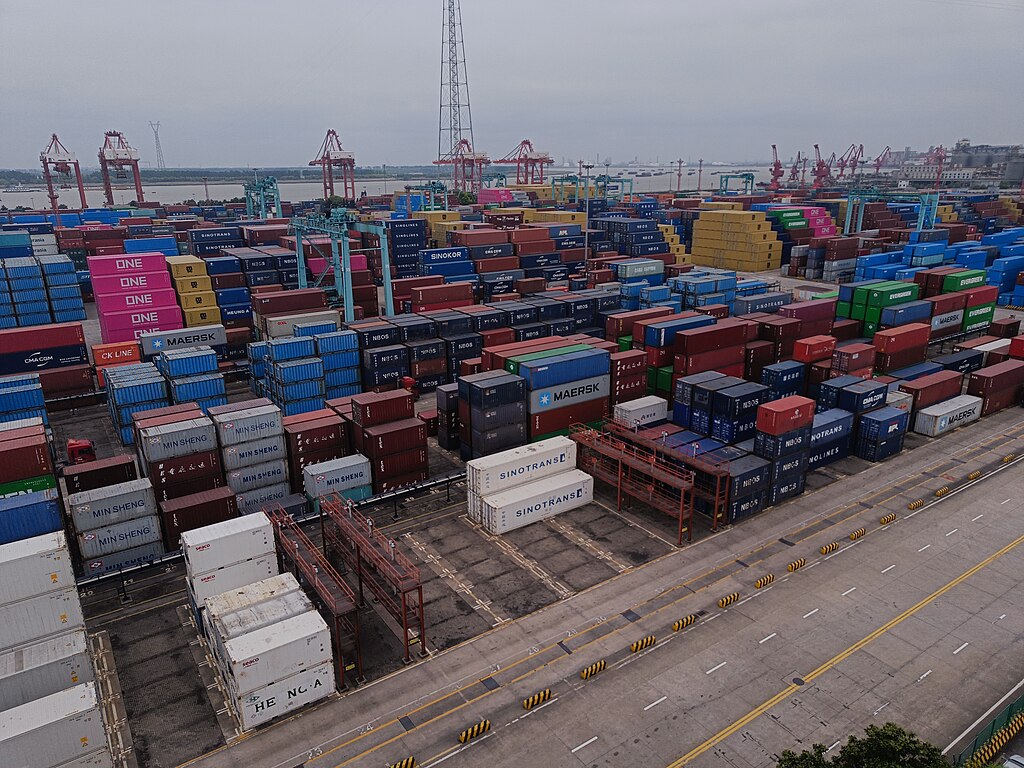
China's economy expanded at a slower-than-expected pace in the second quarter of 2026, highlighting persistent weakness in domestic demand despite resilient exports and strong industrial activity.
Official data released by the National Bureau of Statistics on Wednesday showed that China's gross domestic product (GDP) grew 4.3% year over year in the April-June quarter, below market expectations of 4.5% and down from the 5.0% growth recorded in the first quarter. On a quarterly basis, GDP increased 0.9%, matching forecasts but easing from the previous quarter's 1.3% expansion.
For the first half of 2026, China's economy grew 4.7%, remaining within Beijing's full-year target range of 4.4% to 4.8%.
Exports continued to provide the biggest boost to economic growth as overseas demand remained solid despite global uncertainty. Chinese manufacturers also benefited from advance orders as businesses sought to secure supplies amid disruptions linked to tensions in the Middle East. Strong demand for electronics and AI-related networking equipment helped keep factory activity resilient.
However, robust exports were not enough to offset sluggish domestic consumption and weaker business investment. Consumer spending remained subdued, while companies continued to scale back investment, reflecting ongoing concerns about the country's economic outlook.
Supporting the export-driven recovery, China's industrial production rose 5.3% year over year in June, exceeding expectations of 4.7% and accelerating from 4.5% growth in May.
In contrast, fixed asset investment, which measures spending on infrastructure, property, and capital projects, fell 5.7% in June. The decline was steeper than economists' forecast for a 5.0% drop and marked the third consecutive monthly contraction, underscoring the continued drag from China's prolonged property sector downturn.
Retail sales offered a modest improvement, rising 1.0% in June after analysts had expected a slight decline of 0.1%. Even so, consumer spending remained weak overall, with retail sales continuing to underperform expectations in recent months.
The latest economic data suggests China's recovery remains uneven, with export-driven manufacturing supporting growth while weak domestic demand and a struggling property market continue to weigh on broader economic momentum.







