


 EU Ministers Split as Support Grows for Ban on Trade With Israeli West Bank Settlements
  Brazil Court Bars Flavio Bolsonaro From Visiting Jair Bolsonaro Ahead of Election
  US-Iran Strikes Escalate as Strait of Hormuz Crisis Pushes Oil Prices Higher
  Zelenskiy Plans Ukraine Government Shake-Up as Prime Minister Svyrydenko Set to Step Down
  Iraq PM Visits Washington as U.S. Oil, Gas Deals Take Center Stage
  Trump Recommends Darline Graham for Interim South Carolina Senate Seat
  Russia Launches Missile and Drone Attacks on Kyiv, Zaporizhzhia, and Kharkiv
  HHS Watchdog Reports $5.56 Billion in Healthcare Fraud Recoveries as Enforcement Actions Decline
  DOJ Orders Crackdown on Birth Tourism After Supreme Court Upholds Birthright Citizenship
  Israeli Strikes Kill Six in Gaza as Ceasefire Talks Continue in Cairo
  Trump to Deliver National Address on Declassified 2020 Election Intelligence
  DOJ Seeks Dismissal of Fraud Charges Against Gautam Adani in U.S. Court
  Wolfspeed Sues Navitas Over GaN and SiC Patent Infringement
  Minnesota Wildfires Spread as Governor Tim Walz Deploys National Guard
  Amy Coney Barrett Faces Conservative Backlash After Key Supreme Court Rulings Against Trump
  Trump, Canada Reach Gordie Howe Bridge Deal Ahead of July 27 Opening


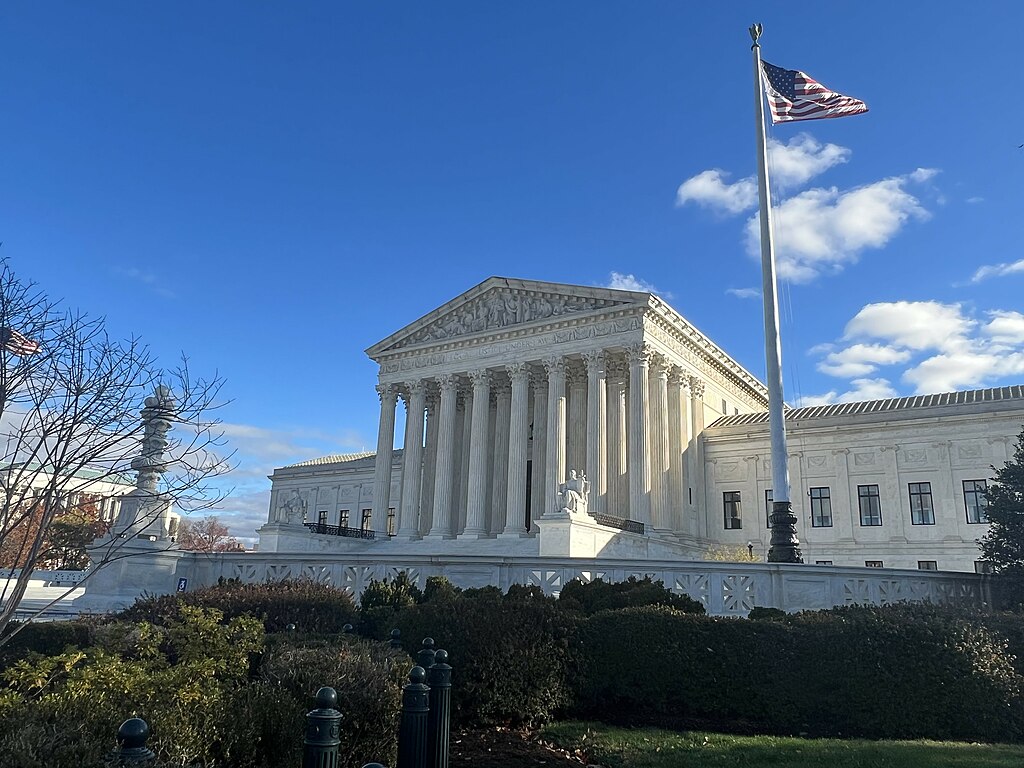
Texas officials have asked the U.S. Supreme Court to reinstate a newly drawn congressional map crafted to strengthen Republican gains in the 2026 midterm elections. The map, approved by the Republican-led legislature in August with support from President Donald Trump, was blocked by a lower federal court that ruled it likely constituted unlawful racial gerrymandering.
In their emergency appeal, Texas officials argued that the lower court misinterpreted the law and created confusion during the crucial candidate filing period. Attorneys for state Attorney General Ken Paxton emphasized that the legislature engaged in normal political decision-making, rejecting the notion that race was a driving factor in reshaping the districts. The Supreme Court has ordered challengers to respond to Texas’ request by Monday.
The blocked map was expected to shift as many as five U.S. House seats from Democrats to Republicans, bolstering the GOP’s slim congressional majority. The move sparked nationwide battles over redistricting, with states like California also redrawing districts to strengthen their own partisan advantage.
Although the Supreme Court ruled in 2019 that partisan gerrymandering claims cannot be challenged in federal court, racial gerrymandering remains unconstitutional under the 14th and 15th Amendments. Civil rights groups, including the NAACP, argued that the Texas map disproportionately diluted minority voting power. Judge Jeffrey Brown concluded that the map was influenced by racial considerations, citing a Justice Department letter that pushed Texas to adjust districts based on voter demographics.
The court ordered Texas to revert to its 2021 map for the 2026 elections, dealing a setback to Trump’s broader national push for Republican-led redistricting efforts. The decision has national implications, affecting political strategies in states such as Indiana, California, and Virginia.
The Supreme Court, holding a 6–3 conservative majority, is already hearing another major redistricting case this term, signaling the continued significance of voting rights and electoral map disputes heading into future elections.







