


 Nike Beats Q3 Estimates but China Weakness and Margin Pressure Weigh on Outlook
  U.S. Stocks Surge on Iran War De-escalation Hopes
  Australia's Trade Surplus Surges in February on Gold Export Boom
  Heritage, desire and diplomacy: why China still values scotch whisky
  RBC Capital: European Medtech Firms Show Minimal Middle East and Energy Risk Exposure
  U.S. Dollar Posts Strong Monthly Gain Amid Middle East Conflict Despite Late Dip
  Microsoft Eyes $7B Texas Energy Deal to Power AI Data Centers
  The pandemic is still disrupting young people’s careers
  McDonald's and Restaurant Brands International Face Headwinds Amid Iran Conflict and Rising Costs
  Trump Threatens Escalation Against Iran, Warns of Infrastructure Strikes
  The ghost of Robodebt – Federal Court rules billions of dollars in welfare debts must be recalculated
  AI is driving down the price of knowledge – universities have to rethink what they offer
  Locked up then locked out: how NZ’s bank rules make life for ex-prisoners even harder
  Columbia Student Mahmoud Khalil Fights Arrest as Deportation Case Moves to New Jersey
  CTOC Adds 3,000 Doctors, 500 Hospitals Ahead of Liquidity Push
  SoftwareONE Posts 22.5% Revenue Surge in 2025 on Crayon Acquisition
  Novartis to Acquire Biotech Firm Excellergy in $2 Billion Deal


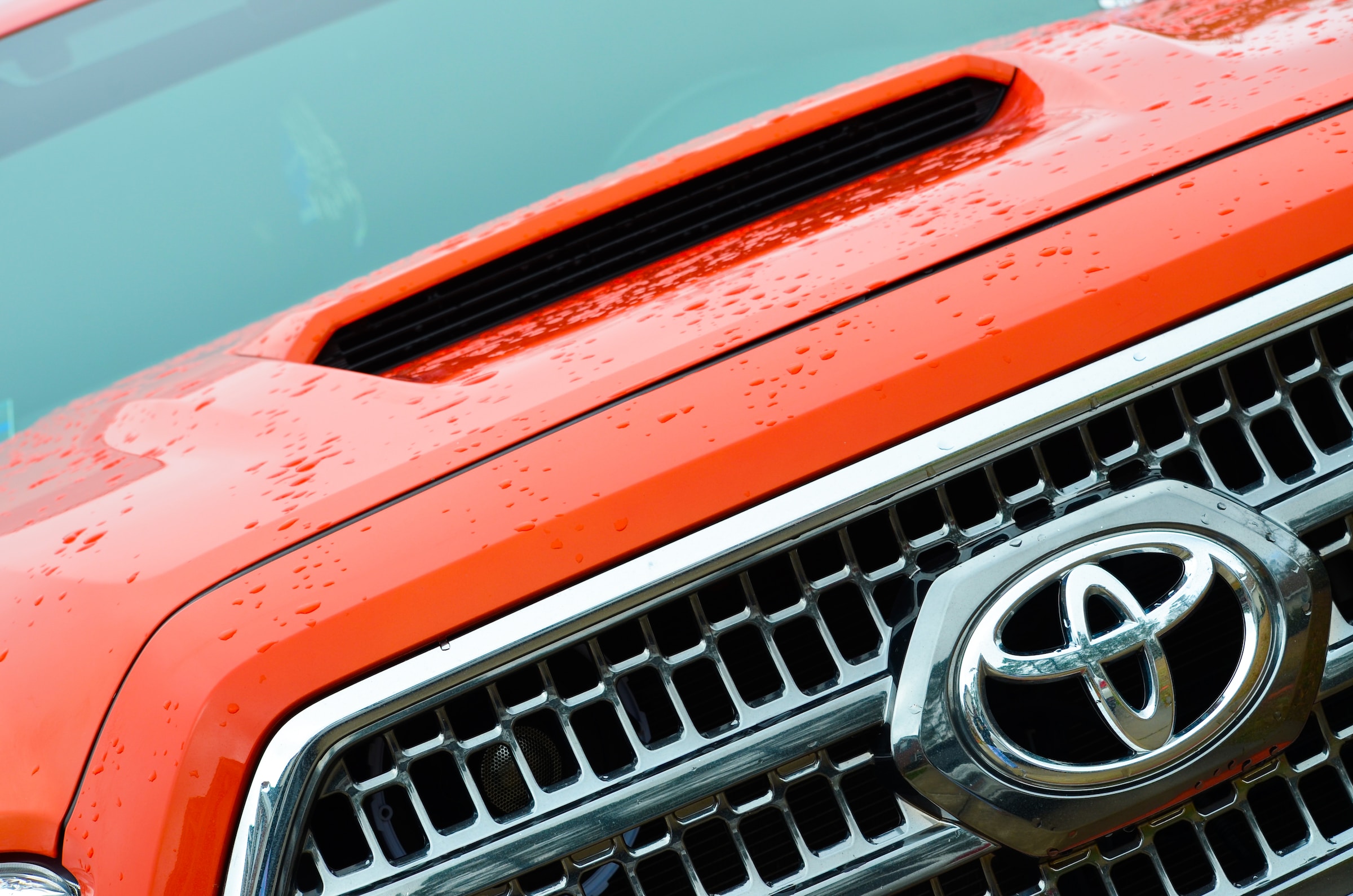
Toyota Motor Corp solidifies its position as the world's top auto seller for the first half of 2023, outpacing competitors and marking the fourth consecutive year of leadership. The robust sales performance was driven by global production capacity expansion and the successful countering of chip shortage issues.
In January-June, Toyota reported sales of 5.42 million vehicles worldwide, an increase of 5.5 percent compared to the previous year. This achievement includes the sales of Daihatsu Motor Co, the group's mini-vehicle maker, and Hino Motors Ltd, the truck manufacturer.
Toyota attributed its solid sales performance to its efforts in expanding production capacity globally, which allowed them to meet the growing demand despite the chip shortage issue that continues to impact the industry. During the same period, Volkswagen recorded sales of 4.37 million vehicles, marking a growth of 12.8 percent.
The Toyota group's global output witnessed a significant increase of 10.3 percent, reaching a record-breaking 5.63 million units. Furthermore, its production outside Japan reached an all-time high of 3.53 million vehicles, reflecting a 4.9 percent growth.
Regarding domestic sales, the group experienced a notable increase of 26.9 percent, with 1.21 million vehicles sold. This positive development can be attributed to the recovery from the aftermath of the COVID-19 pandemic and the resolution of parts shortages.
However, overseas sales only saw a marginal increase of 0.6 percent, with 4.21 million cars sold. The automaker cited weaker sales in China as responsible for this lackluster growth, despite experiencing growth in Europe.
Toyota's electric vehicle sales saw a remarkable surge, increasing more than fivefold to 46,171 units during this period. The introduction of the all-electric vehicle RZ, under the upscale Lexus brand, played a significant role in achieving this milestone.
Among other carmakers, Honda Motor Co reported a decline of 3.3 percent in global sales for the first half of the year, with 1.84 million units sold. Similarly, worldwide sales at Nissan Motor Co remained nearly unchanged, with 1.67 million cars sold.
The total global production by the eight major Japanese automakers witnessed a notable rebound, increasing by 8.5 percent to 12.55 million units in the first half of this year.
This positive development indicates that the industry has successfully recovered from the challenges posed by the pandemic and the parts-supply bottleneck. By improving its production capacity and adapting to market demands, Toyota has solidified its position as a leader in the global automotive industry.
Photo: Mary B/Unsplash







