


 Iranian Missile Strike on UAE Oil Tankers Kills Indian Crew Member in Strait of Hormuz
  DOJ Seeks Dismissal of Fraud Charges Against Gautam Adani in U.S. Court
  Iraq PM Visits Washington as U.S. Oil, Gas Deals Take Center Stage
  Western Allies Push for More Air Defenses for Ukraine at Paris Summit
  Trump Administration Bars U.S. Travelers From Congo Flights Amid Ebola Outbreak
  Fortescue Faces Class Action Over Sexual Harassment Claims at Australian Mining Sites
  Israel Sets October 27 Election as Netanyahu Faces Tough Political Test
  Iran's Supreme Leader Vows Revenge as Trump Threatens Massive U.S. Military Response
  US Supreme Court Strikes Down Hawaii Gun Carry Law on Private Property
  Minnesota Wildfires Spread as Governor Tim Walz Deploys National Guard
  Paramount-Warner Bros. Discovery Merger Faces Lawsuit From 12 States
  Zelenskiy Plans Ukraine Government Shake-Up as Prime Minister Svyrydenko Set to Step Down
  New Mexico AG Accuses DOJ of Delaying Jeffrey Epstein Ranch Investigation
  EU to Propose New Rules Limiting Children's Access to Social Media
  Ann Widdecombe Murder: Police Arrest Second Suspect, Rule Out Terrorism Motive
  Trump Tells Congress Iran Hostilities Restarted, Citing New 60-Day War Powers Window
  HHS Watchdog Reports $5.56 Billion in Healthcare Fraud Recoveries as Enforcement Actions Decline


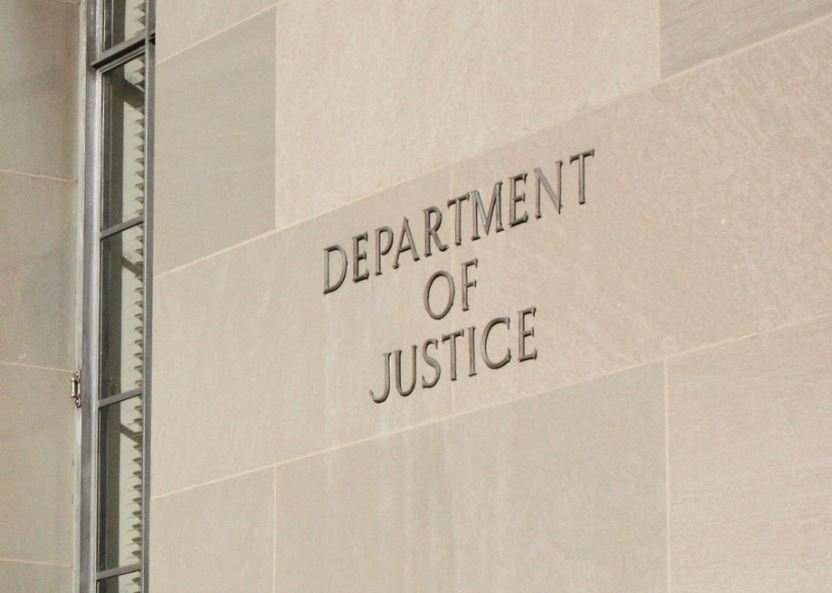
The Trump administration has filed an appeal against a federal judge’s ruling that restricts certain tactics used by U.S. immigration agents during enforcement operations in Minneapolis, escalating tensions surrounding immigration enforcement and civil rights protections. The appeal was submitted Saturday by the Department of Justice, challenging an order issued a day earlier that limits how federal officers can interact with protesters and observers.
The ruling, handed down by a federal judge on Friday, bars immigration agents from arresting, detaining, or using crowd-control measures such as tear gas or pepper spray against individuals who are peacefully protesting or observing immigration enforcement activities. The court order also protects bystanders who are recording or monitoring federal operations, unless officers have reasonable suspicion that those individuals are interfering with law enforcement or committing a crime.
The decision stems from a lawsuit filed on December 17 against the U.S. Department of Homeland Security and other federal agencies. The lawsuit was brought on behalf of six protesters and legal observers who argued that their constitutional rights were violated during immigration enforcement actions in Minneapolis. The case gained heightened attention after a tragic incident in which an ICE agent fatally shot Renee Good, a 37-year-old woman, an event that sparked widespread protests across the city.
In response to the unrest, the Trump administration deployed thousands of immigration agents to the Minneapolis area as part of a broader effort to increase deportations of undocumented immigrants. This large-scale deployment has fueled public concern and intensified protests, particularly after the fatal shooting, which became a focal point for criticism of ICE tactics and federal immigration policies.
The appealed order explicitly limits federal officers’ authority to detain peaceful demonstrators and restricts the use of chemical agents or other crowd-control munitions against nonviolent protesters and observers. The administration argues that the restrictions hinder federal agents’ ability to carry out their duties effectively, while civil rights advocates say the ruling is necessary to protect constitutional freedoms.
As the appeal moves forward, the case is expected to remain a significant flashpoint in the national debate over immigration enforcement, public protest rights, and the limits of federal authority during civil demonstrations.







