


 Trump Signs “America First Arms Transfer Strategy” to Prioritize U.S. Weapons Sales
  UAE Plans Temporary Housing Complex for Displaced Palestinians in Southern Gaza
  U.S. Lawmakers to Review Unredacted Jeffrey Epstein DOJ Files Starting Monday
  TrumpRx Website Launches to Offer Discounted Prescription Drugs for Cash-Paying Americans
  Ukraine-Russia Talks Yield Major POW Swap as U.S. Pushes for Path to Peace
  Norway Opens Corruption Probe Into Former PM and Nobel Committee Chair Thorbjoern Jagland Over Epstein Links
  Trump Allows Commercial Fishing in Protected New England Waters
  Trump Administration Expands Global Gag Rule, Restricting U.S. Foreign Aid to Diversity and Gender Programs
  Paul Atkins Emphasizes Global Regulatory Cooperation at Fintech Conference
  Trump to Announce New Federal Reserve Chair Pick as Powell Replacement Looms
  Trump Proposes Two-Year Shutdown of Kennedy Center Amid Ongoing Turmoil
  Missouri Judge Dismisses Lawsuit Challenging Starbucks’ Diversity and Inclusion Policies
  Iran–U.S. Nuclear Talks in Oman Face Major Hurdles Amid Rising Regional Tensions
  Trump Signs Executive Order Threatening 25% Tariffs on Countries Trading With Iran
  Trump Rejects Putin’s New START Extension Offer, Raising Fears of a New Nuclear Arms Race
  Ohio Man Indicted for Alleged Threat Against Vice President JD Vance, Faces Additional Federal Charges
  Trump Orders DHS to Avoid Protests in Democratic Cities Unless Federal Assets Are Threatened


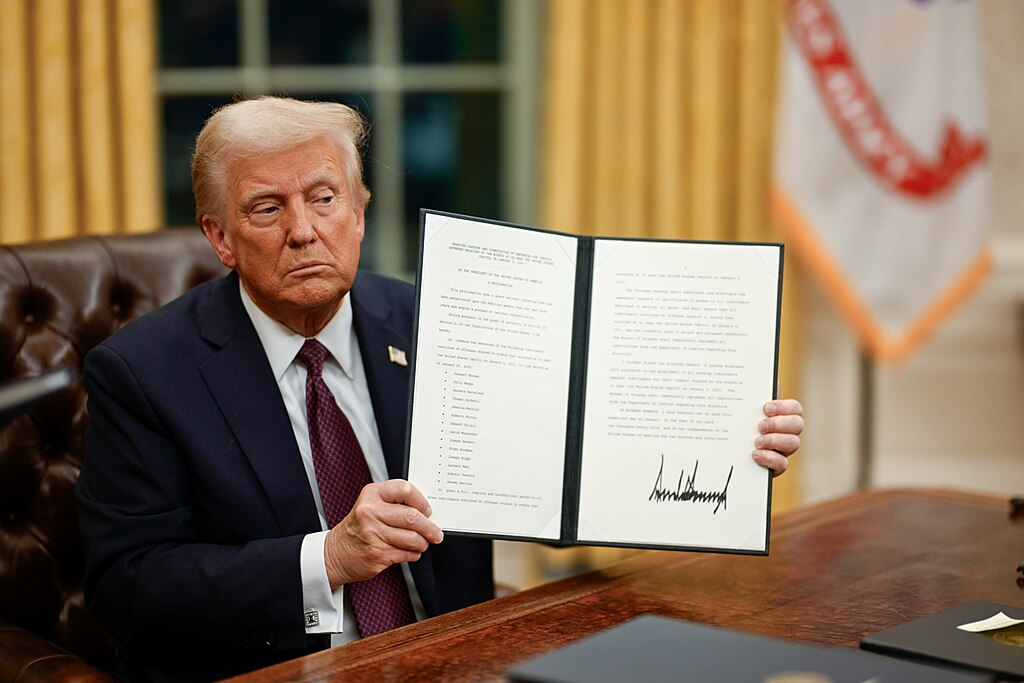
The Trump administration, under its broader agenda to overhaul federal bureaucracy, has dismantled diversity, equity, and inclusion (DEI) initiatives across government agencies. In a speech to the World Economic Forum, former President Donald Trump reaffirmed his commitment to a "merit-based" system, calling DEI policies “nonsense.” Key agencies, including the CIA and Federal Reserve, eliminated diversity offices and scrubbed related content from their websites.
The Department of Agriculture removed resources aimed at supporting minority farmers, and the Department of Education shifted its focus away from diversity-related training. Similarly, DEI advocates across government faced suspensions, with offices slated for closure by month’s end.
A memo circulated to federal employees urged them to report colleagues using "coded language" to disguise DEI efforts, warning of consequences for non-compliance. Critics, including civil rights advocates, argue these measures ignore systemic inequities and roll back progress.
The administration also implemented a hiring freeze and reinstated "Schedule F," an executive order enabling the dismissal of thousands of civil servants, replacing them with political appointees. This decision faced backlash from unions and lawmakers, with Senator Tim Kaine decrying the "hatred" toward federal workers.
Furthermore, the National Security Council terminated over 150 staff, while the Justice Department rescinded job offers to law students in its Honors Program. Critics warn these actions undermine government efficiency and equity.
With DEI efforts eliminated, proponents emphasize that persistent income disparities, such as the 63% median Black household income relative to white households, highlight the need for systemic reforms. Meanwhile, the administration remains focused on aligning federal operations with its ideological framework.
This sweeping reshaping of federal policies reflects a significant shift toward a merit-driven, yet controversial, governance model.













