


 Kitron Q2 Revenue Beats Estimates as Defense Demand Lifts Growth
  Trump Administration Hands Over Key Evidence in Minnesota Immigration Shooting Investigations
  OpenAI Executive Fidji Simo to Step Down Amid Health Challenges Ahead of IPO
  Deutsche Bank Fined A$2 Million by ASIC Over OTC Derivatives Reporting Errors
  Bain Capital Exits Kioxia After AI-Fueled Valuation Surge
  SoftBank Corp Partners With Sierra to Expand AI Customer Support Across Japan
  Iran's Supreme Leader Vows Revenge as Trump Threatens Massive U.S. Military Response
  SK Hynix Shares Drop After Strong Nasdaq Debut Despite $26 Billion ADR Listing
  Goldman AM Sees Strong Buyout Opportunities in Japan, South Korea and Australia
  AstraZeneca Shares Sink After Wainua Trial Misses Key Heart Disease Goal
  Morgan Stanley Says China’s Reusable Rocket Progress Poses Long-Term Challenge to SpaceX
  EU to Propose New Rules Limiting Children's Access to Social Media
  US-Iran Strikes Escalate as Strait of Hormuz Crisis Pushes Oil Prices Higher
  Yaskawa Electric Shares Slide as Weak Profit Overshadows Strong AI Demand
  Western Allies Push for More Air Defenses for Ukraine at Paris Summit
  TSMC Q2 Revenue Surges 36% as AI Chip Demand Powers Growth Ahead of Earnings
  HHS Watchdog Reports $5.56 Billion in Healthcare Fraud Recoveries as Enforcement Actions Decline


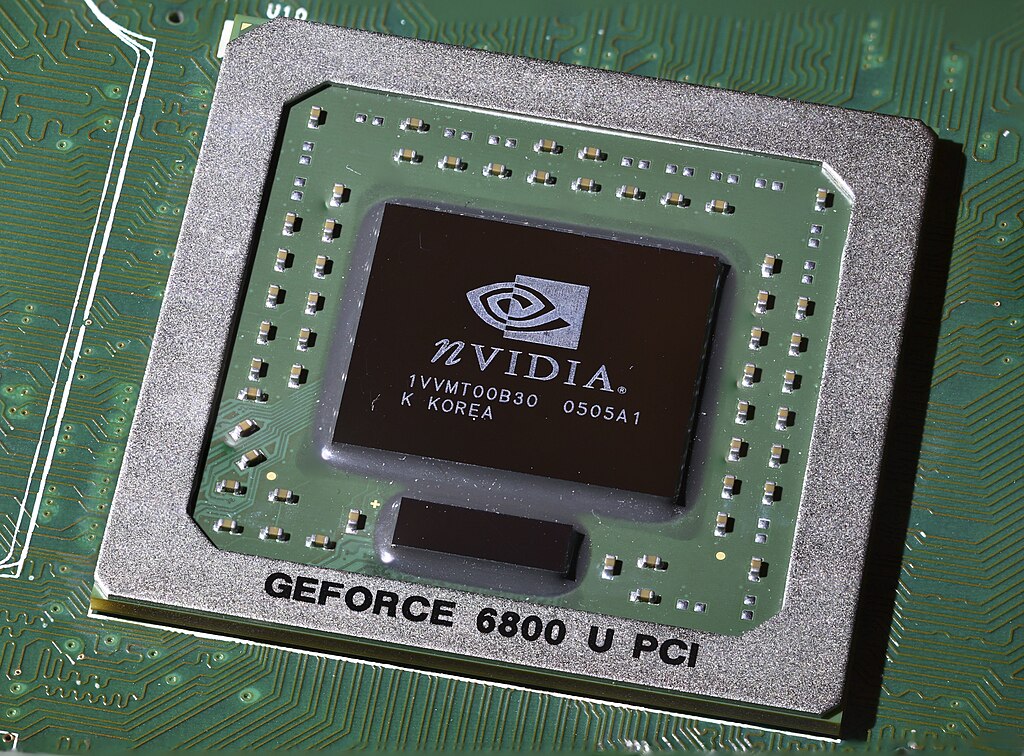
The Donald Trump administration is urging Congress to reject a new bipartisan measure that would restrict NVIDIA Corp.’s ability to sell advanced artificial intelligence chips to China and other embargoed nations, according to a Bloomberg report citing people familiar with the discussions. The proposal, known as the GAIN AI Act, seeks to establish a system that gives U.S. companies priority access to high-performance AI chips before they can be exported abroad.
Lawmakers are still in the early stages of shaping the GAIN AI Act, with ongoing talks about potentially attaching it to the annual defense authorization bill. If implemented, the measure would add another layer of control to an already closely monitored semiconductor supply chain, intensifying U.S. efforts to safeguard AI-related technologies.
The White House’s opposition marks a significant win for Nvidia, which has consistently lobbied for more flexibility in selling chips overseas. China had long been one of Nvidia’s largest markets, although the company recently stated it would no longer factor the country into future sales forecasts due to tightening U.S. export restrictions and shifting geopolitical dynamics.
The debate also comes as China increases its scrutiny of U.S.-made chips and accelerates its push for technological self-sufficiency in artificial intelligence and semiconductor manufacturing. Beijing’s efforts to build a fully independent AI ecosystem have added further competitive pressure to American chipmakers operating under evolving U.S. policy constraints.
The timing of the Bloomberg report coincided with Nvidia’s stronger-than-expected third-quarter earnings release, in which the company projected an optimistic outlook for the current quarter. CEO Jensen Huang dismissed concerns about a potential AI-driven valuation bubble, emphasizing continued global demand for high-performance computing.
The administration’s stance on the GAIN AI Act highlights the ongoing tension between safeguarding national security interests and supporting the competitive position of U.S. technology firms in the global AI race.







