


 In a rebuke to Trump, the Supreme Court rules that birthright citizenship is the law of the land
  UK Sanctions 24 Russian-Linked Targets Over Cyberattacks and Election Interference
  Brazil Court Bars Flavio Bolsonaro From Visiting Jair Bolsonaro Ahead of Election
  EU to Propose New Rules Limiting Children's Access to Social Media
  EU Ministers Split as Support Grows for Ban on Trade With Israeli West Bank Settlements
  Wolfspeed Sues Navitas Over GaN and SiC Patent Infringement
  Trump Administration Sues Maryland Over Alleged Sanctuary Immigration Policies
  DOJ Seeks Dismissal of Gautam Adani Bribery Case, Citing Foreign Scope
  Ukraine, Europe Launch Freyja Missile Shield to Strengthen Air Defense Against Russia
  Bayer Wins Major U.S. Supreme Court Roundup Lawsuit, Shares Surge
  Reuters/Ipsos Poll: Most Americans Expect U.S.-Iran War to Be Prolonged
  US Supreme Court Strikes Down Hawaii Gun Carry Law on Private Property
  Israeli Strikes Kill Six in Gaza as Ceasefire Talks Continue in Cairo
  Trump Administration Hands Over Key Evidence in Minnesota Immigration Shooting Investigations
  HHS Watchdog Reports $5.56 Billion in Healthcare Fraud Recoveries as Enforcement Actions Decline
  Sara Duterte Impeachment Trial Opens, Putting 2028 Philippine Election in Focus


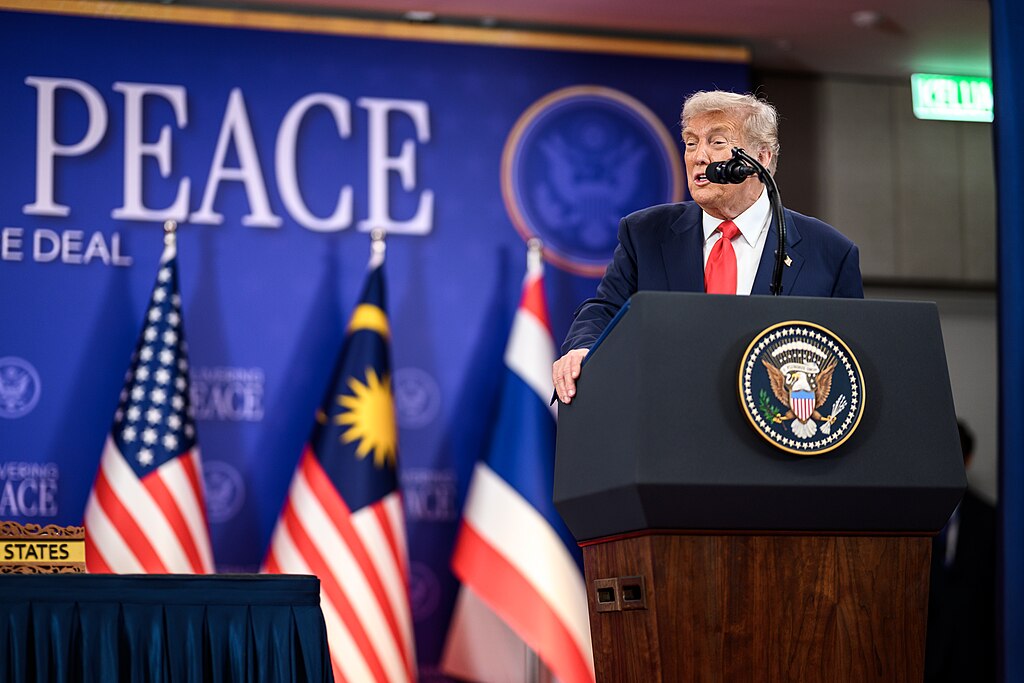
U.S. President Donald Trump said Thursday that he is pardoning Tina Peters, a former Colorado county clerk convicted of tampering with voting machines following the 2020 presidential election, even though he has no legal authority to issue such a pardon.
Peters was sentenced in 2024 by a Colorado state court to nine years in prison after being found guilty on seven counts related to a security breach of Mesa County’s election system. Prosecutors said Peters allowed unauthorized individuals connected to Trump allies to access sensitive election equipment, a move that ultimately led to voting machine passwords being leaked and published on a far-right blog. The breach raised serious concerns about election security and the integrity of voting systems.
Indicted in 2022, Peters became a prominent figure among supporters of Trump’s unfounded claims of widespread voter fraud in the 2020 election. Throughout the investigation and trial, she denied any wrongdoing and portrayed her actions as an effort to protect election integrity. During her sentencing hearing in Denver, Peters remained defiant, stating that she acted only to “serve the people of Mesa County.”
Trump defended Peters in a post on his Truth Social platform, claiming she was imprisoned for demanding “honest elections.” He announced what he described as a “full pardon,” asserting that her actions were aimed at exposing voter fraud in what he continues to call a “rigged” election. The statement quickly drew criticism, as presidential pardon powers extend only to federal offenses, not state convictions.
Because Peters was charged and convicted under Colorado state law, the authority to grant a pardon rests solely with Colorado Governor Jared Polis, a Democrat. Legal experts widely agree that any pardon from Polis is extremely unlikely, given the severity of the charges and the broader implications for election security.
Trump has issued or promised numerous pardons in recent months, many involving political allies or white-collar crimes, but the Peters case highlights the legal limits of presidential power. Despite Trump’s claims, Peters remains incarcerated under a valid state sentence, underscoring the distinction between federal authority and state judicial independence.







